


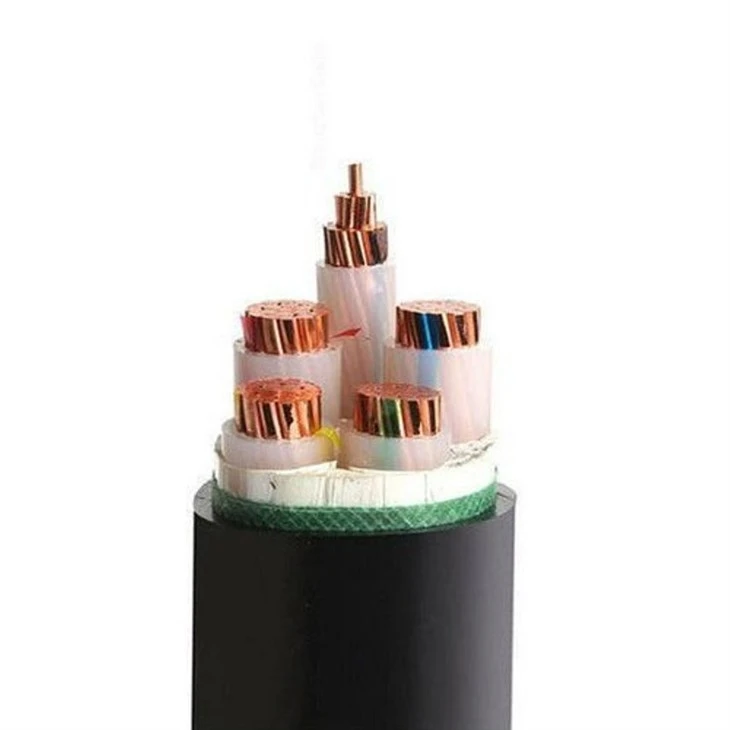
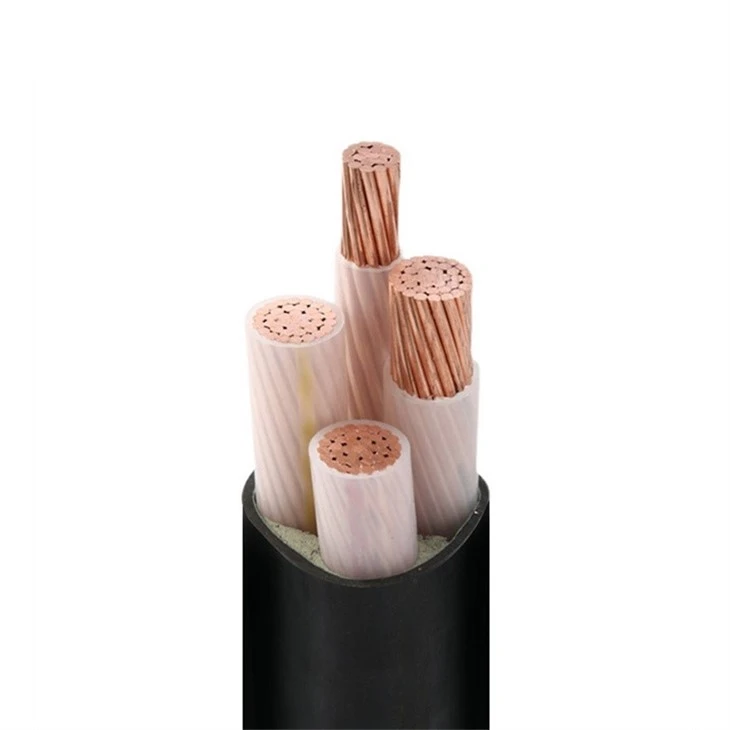


YJV cable
Product full name: copper core (aluminum core) crosslinked polyethylene insulated polyvinyl chloride sheathed power cable;
YJV cable is one of the most commonly used power cables, and even today many people refer to YJV cables. As a backbone cable in power transmission, YJV cable is like an artery in a human blood vessel, or the trunk of a tree, indicating its important position in power transmission. Cables are generally common in the city's underground passageway (manhole cover underground) or buried in the ground, often the construction team construction YJV will dig the power cable leading to a large area of power failure, that is, the power cable.
1 Introduction
YJV cable is one of the most commonly used power cables, and even today many people refer to YJV cables. As a backbone cable in power transmission, YJV cable is like an artery in a human blood vessel, or the trunk of a tree, indicating its important position in power transmission. YJV cable is generally common in the city underground passageway (manhole cover underground) or buried in the ground, often the construction team will dig the power cable leading to a large area of power failure accident, that is, the power cable. The following is a brief introduction of YJV power cables
2 Product structure:
The components of YJV cable from the inside out are conductor, polyethylene insulator, filler (nylon, PVC composite material, etc.), polyvinyl chloride outer sheath, among which, the conductor is mostly copper core, copper conductor is the most widely used conductor material on the market at present, aluminum conductor due to poor conductivity and lack of standards, less used; The filling material is mostly nylon and other materials, which plays the role of protecting the wire core, which is equivalent to putting on a "clothes" for the cable core; If it is an armored power cable, a layer of steel tape armor will be added between the filler and the sheath, so that the cable is buried underground to play a role in pressure resistance. The steel tape armored YJV cable model is YJV22; Polyvinyl chloride sheath is our common PVC material.
Product implementation standards: GB/T12706.1-2020, IEC60502-1-1997 standard


FAQs
How do I know if my cable is Armoured?
The key feature of armoured cable is its protective armour, typically made of steel or aluminium, which shields the inner conductors against mechanical damage and external pressures.
When to use an armoured electrical cable?
Armored cables provide sufficient protection against mechanical risks. Therefore, you can use this type of cable in areas where there is a high risk of mechanical damage. These locations include exterior walls, underground, and industrial facilities.
Can you join armoured cable to normal cable?
Yes, you can join armoured cable to normal (non-armoured) cable, but it requires careful attention to ensure safety and compliance with electrical codes. The connection must be made in a suitable junction box or termination point where the armouring is properly grounded. You will need to use appropriate connectors, such as armoured cable clamps, to maintain the integrity of the grounding path. It's also crucial to follow local electrical regulations and guidelines during the installation process to ensure a safe and reliable connection.
Do I need conduit for armoured cable?
Armored cable has a steel hose around it to provide protection from impacts, it is also grounded to cut down on EM interference. Whether or not you put a cable into a conduit has nothing to do with armor. If you want to put it into a trench, check with the manufacturer whether it's a direct burial cable or not.
Can I lay armoured cable myself?
To save money you can lay the wire yourself and hire an electrician to test and connect it, saving you the hassle of wondering how to connect armoured cable to a socket.
Can you run armoured cable from a socket?
No, you should not run armoured cable from a standard electrical socket. Electrical sockets are designed to provide power to appliances and devices, not to serve as a connection point for running cables, especially armoured ones. To extend or run armoured cable, you need to use appropriate junction boxes, conduit, or other approved methods that ensure the cable is properly supported, protected, and grounded.
Why are armoured cables not used in house wiring?
Single-core cables armoured with steel wire or steel tape shall not be used for an AC circuit. This is because aluminium is non-magnetic, while the steel wire or steel tape armour of a single-core cable is regarded as a ferromagnetic enclosure.
Why does armoured cable have a GREY wire?
As previously mentioned, convention dictates that black represents earth and grey represents neutral for the reasons outlined earlier. Additionally, when transitioning from red, yellow, blue to brown, black, grey, it is evident that the former blue now corresponds to grey. Since we traditionally used blue as a neutral in single-phase armored cable, it logically follows to adopt grey for this purpose now.
Why does armoured cable have 4 wires?
4 Core Power Cable is the ideal choice for outdoor applications or projects where a large amount of cables pass through dense cable corridors. In these cases, 4 core armored cables can protect the inner core from external factors such as heat and pressure.
Does armoured cable need a gland?
When the armoured cable terminates at an appliance or junction box a gland is used. You must get the correct size and type of gland for the job at hand. If it is outside the gland must be waterproof.
Hot Tags: 16mm 4 core xlpe cable, China 16mm 4 core xlpe cable manufacturers, suppliers, factory, 5 core copper pvc cables yjv 0 6 1kv, Control Wire, 4 Core Cy Cable, xlpe fire resistant Control wire, 3 Core Household Wire, armoured copper power cable


