


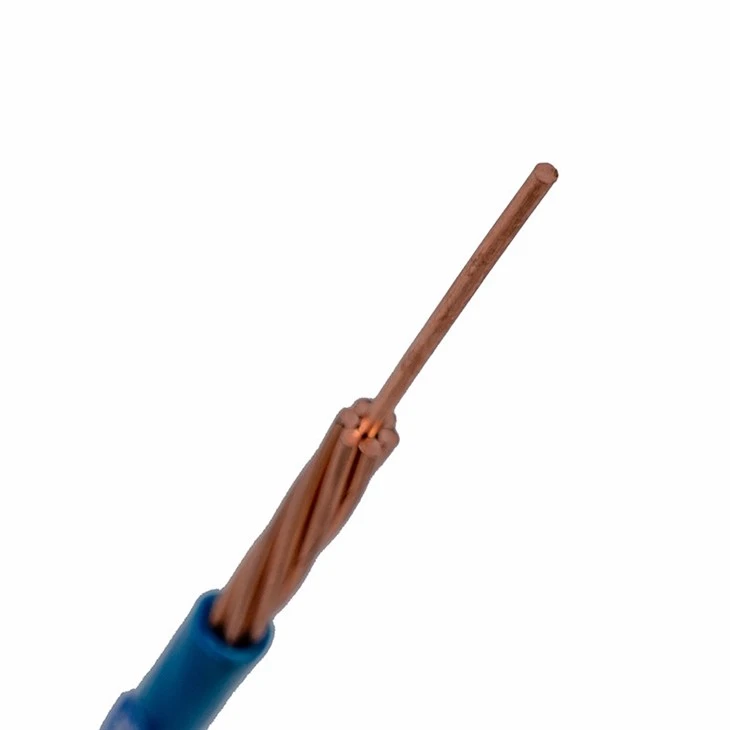
Product Introduction
Household Insulated Wire is a cable designed for home electrical systems. It has a core made of copper or aluminum, providing excellent current transmission and efficient energy use. The core is covered with one or more layers of insulation like PVC, XLPE, or other high-performance materials to isolate electricity and prevent overheating, short circuits, or shocks, ensuring family safety. Some wires have an additional layer of natural fibers such as cotton, linen, or silk to improve wear resistance and tensile strength, protecting the internal conductor from external damage.
Product Advantages
High Conductivity and Low Energy Consumption
Household Insulated Wire utilizes high-purity copper or aluminum as conductors, with conductivities reaching up to 99.9% and 98%, respectively. This results in lower resistance and reduced energy loss during power transmission. Compared to standard wires, our household insulated wire can decrease energy loss by approximately 15%, saving users a significant amount on electricity bills over time.
Premium Insulation Materials
Our wires use Polyvinyl Chloride (PVC) or Cross-Linked Polyethylene (XLPE) for insulation, offering excellent electrical insulation properties with a voltage rating exceeding 3000V. These materials also provide good heat resistance and anti-aging capabilities, maintaining stability at temperatures up to 70℃ and preventing safety incidents due to overheating.
Longevity
The addition of a natural fiber braided protective layer outside the insulation significantly enhances the wire's wear resistance and tensile strength. With this layer, wear resistance improves by about 30%, and tensile strength increases by 25%, greatly extending the service life. Made from quality materials, our household insulated wire has a lifespan of over 20 years, 50% longer than standard wires.
Environmental and Flame Retardant
Considering home safety, our household insulated wire includes eco-friendly flame retardants, meeting the UL94 V-0 flame retardant standard. It self-extinguishes in case of fire, preventing flame spread. All materials comply with RoHS directives, being non-toxic, harmless, and environmentally friendly.
Versatility and Easy Installation
We offer various wire sizes ranging from 0.75mm² to 6mm² to meet the power requirements of different household appliances, from small devices to high-power equipment. The wires are flexible and easy to bend, simplifying installation in tight spaces and reducing construction difficulty.
Product Installation Guides
Pre-Installation Preparation
Before starting the installation of household insulated wire, ensure all necessary tools and materials are prepared. This includes a screwdriver, wire stripper, electrical tape, and wire conduits or junction boxes that meet specifications. Additionally, check the wire for any damage or aging. Confirm the required length and type of wire to meet your household electrical needs.
Power Disconnection
Safety is the top priority. Always turn off the power switch of the relevant circuit before any electrical work and use a voltage tester to ensure no current is flowing. If unsure, contact a professional electrician for power disconnection.
Planning Wiring Path
Plan the wire route based on the locations and usage of household appliances. Avoid placing wires in high-temperature, humid, or corrosive gas environments. Keep wires away from sharp objects and heavy pressure to prevent damage. Use specialized wire protection tubes for wires passing through walls or floors.
Stripping Wire Ends
Carefully remove about 1 cm of the outer sheath at both ends of the wire using a wire stripper, exposing the copper or aluminum core inside. Do not damage the conductor to avoid affecting conductivity. After stripping, lightly sand the surface oxidation layer with fine sandpaper to improve connection quality.
Connecting Conductors
Tightly wrap two wires that need to be connected together, ensuring at least 5 loops for good contact. Then, cover the joint with electrical tape to enhance insulation and prevent loosening. For multi-stranded wires, tighten each strand before overall connection.
Securing Wires
Use wire clips or straps to fix the wires in place, maintaining neatness and aesthetics. Ensure wires are not excessively bent or stretched at corners. For long horizontal runs, add fixing points at intervals to reduce sagging.
Restoring Power and Testing
After completing the above steps, reconnect the power and check each outlet and switch for normal operation. Use a multimeter to measure voltage values and ensure they meet standards. If any abnormalities are found, immediately stop use and troubleshoot the issue.

About Us


Why Choose Us
Advanced Facilities
Liaoning Pengcheng Cable Co., Ltd. utilizes state-of-the-art production lines and modern factories to ensure high-quality cable manufacturing.
Certified Excellence
Our products meet stringent global standards, including ISO9001/IATF16949, ISO14001, ISO45001, and ISO10012.
Dedicated R&D Team
Our experienced R&D team continuously develops high-tech special cable products to stay ahead of market demands and technological advancements.
Comprehensive Product Range
We offer a wide variety of high-quality wire and cable products, including fireproof cables, corrugated copper sheathed cables, anti-pressure aluminum alloy core interlocking armored power cables, and halogen-free low-smoke flame retardant cables.
FAQs
Q: What types of insulation materials are commonly used in Household Insulated Wire?
A: Household Insulated Wire primarily utilizes Polyvinyl Chloride (PVC) and Cross-Linked Polyethylene (XLPE). PVC is preferred for its cost-effectiveness, flexibility, and strong electrical insulation properties. XLPE, while more expensive, offers superior thermal resistance and durability, making it suitable for high-stress environments. Both materials are chosen to prevent electrical leakage and reduce fire hazards, ensuring safe and reliable operation.
Q: How do I determine the correct wire gauge for my home appliances?
A: To select the appropriate wire gauge, consider the electrical load of your appliances and the wiring length. The American Wire Gauge (AWG) system helps standardize wire sizes; smaller gauge numbers indicate thicker wires with lower resistance. For example, lighting circuits typically use 14 AWG or 12 AWG wire, while heavy-duty appliances may require 10 AWG or even 8 AWG wire. Always refer to the appliance's specifications and adhere to local electrical codes to ensure safety and efficiency, avoiding overheating and potential fire risks from undersized wires.
Q: Can Household Insulated Wire be installed outdoors or in wet locations?
A: While designed for indoor use, certain Household Insulated Wires are rated for outdoor or wet locations. These wires feature enhanced insulation materials that resist moisture and UV degradation, ensuring reliable performance in challenging conditions. Look for "outdoor-rated" or "wet location" labels when selecting wire for such installations, as they undergo rigorous testing to withstand exposure to rain, humidity, and sunlight, thereby preventing electrical hazards.
Q: Is it necessary to have an electrician install Household Insulated Wire?
A: Although some experienced DIY enthusiasts may handle simple wiring tasks, hiring a licensed electrician is generally recommended for installing Household Insulated Wire. Electricians possess the expertise to comply with local building codes, ensuring safe and compliant installations. They can properly size the wire, select compatible connectors, and implement ground fault circuit interrupters (GFCIs) where necessary. Improper installation by untrained individuals can lead to serious electrical hazards, including shocks, fires, or damage to appliances, hence professional installation is a safer choice.
Q: How often should Household Insulated Wire be inspected or replaced?
A: Regular inspections by a qualified electrician are crucial for maintaining electrical safety. Household Insulated Wire should be checked every 5-10 years or immediately if signs of wear appear, such as frayed insulation, discoloration, or unusual warmth around outlets/switches. As a preventive measure, consider replacing the wiring every 20-30 years, especially if it shows significant deterioration or no longer meets current electrical codes. Proactive maintenance minimizes risks and ensures a safe living environment.
Hot Tags: household insulated wire, China household insulated wire manufacturers, suppliers, factory, 3 Core Household Wire, household wire distributors, household wire twistability, wire for household fixtures, household wire insulation, household wire loom


