


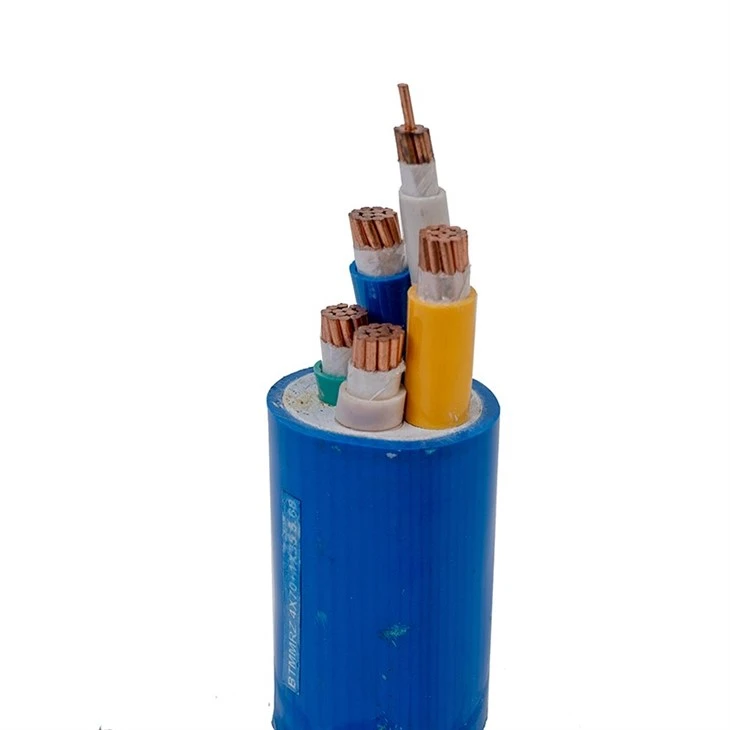
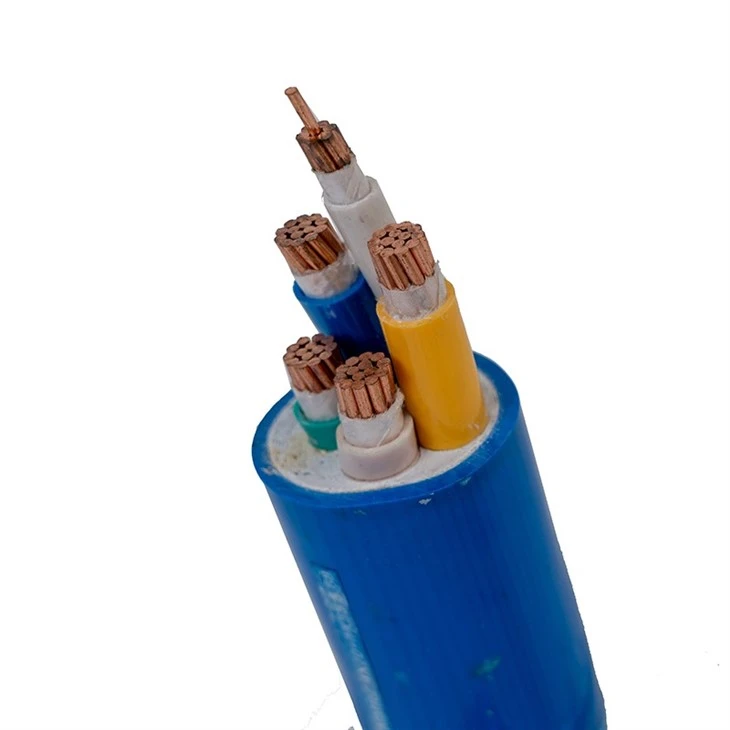
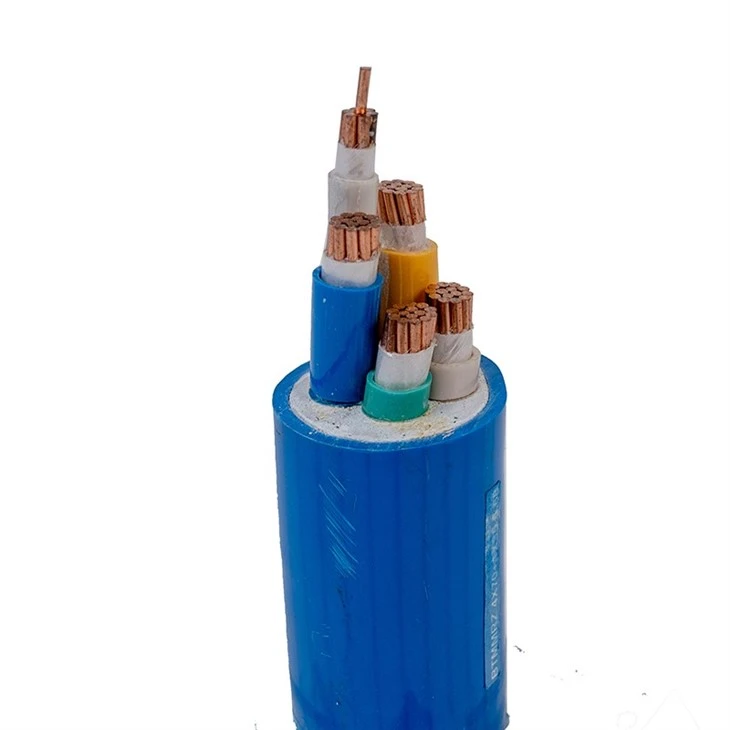
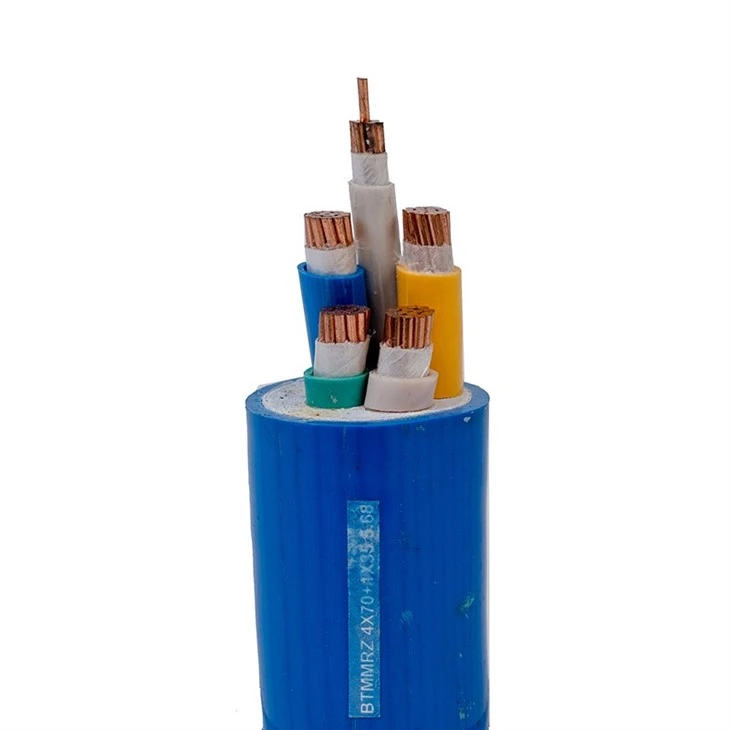
Introduction
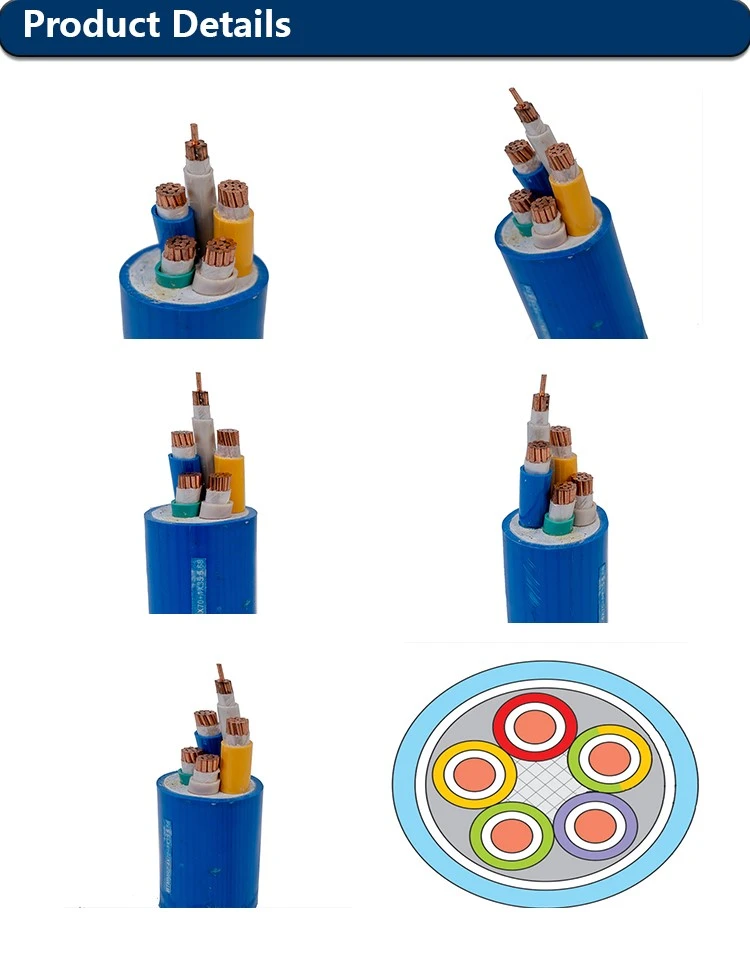
A conductor composed mainly of copper, utilized for transmitting electrical signals or distributing power. These wires are often insulated with materials such as PVC (polyvinyl chloride), rubber, or enamel to protect the copper from environmental factors and enhance safety.
Features
High Electrical Conductivity
Copper is renowned for its excellent electrical conductivity, which is a fundamental property crucial for minimizing energy loss during transmission. The conductivity of copper is approximately 5.8×10^7 S/m (Siemens per meter) at 20°C. This high conductivity is due to the material's atomic structure, allowing free electrons to move easily through the lattice of copper atoms. As a result, electric copper wire cables can efficiently transmit electricity with minimal resistance, reducing heat generation and improving overall system efficiency.
Good Thermal Conductivity
In addition to its electrical properties, copper also possesses high thermal conductivity, around 401 W/(m·K), making it effective at dissipating heat generated during electrical operation. This feature is particularly important in high-current applications where heat buildup can be a concern. The ability to conduct heat away from the conductor helps maintain the integrity of the cable and prolongs its operational lifespan.
Mechanical Strength and Durability
Copper wires are not only flexible but also exhibit good mechanical strength, with a tensile strength typically ranging between 200-400 MPa, depending on the purity and treatment of the copper. This mechanical resilience ensures that electric copper wire cables can withstand physical stresses, such as stretching, bending, and vibrations, without breaking or losing conductivity. Moreover, copper resists corrosion well, especially when coated or sheathed, enhancing its durability in harsh environments.
Cost-Effectiveness and Recyclability
Despite being more expensive than some alternatives like aluminum initially, copper's longer service life, lower maintenance requirements due to its corrosion resistance, and superior conductivity often result in cost savings over time. Furthermore, copper is highly recyclable, with a recycling rate exceeding 90% globally. This sustainability aspect makes it an environmentally friendly option compared to many other materials used in electrical wiring.
How to maintain
Regular Inspections
Visual Checks: Periodically inspect the cables for any visible signs of damage such as cuts, abrasions, or corrosion. Pay special attention to areas where the cable enters and exits equipment, as these points are more prone to wear and tear. Thermal Imaging: Use thermal imaging cameras to detect hot spots along the cable, which can indicate potential issues like overheating or poor connections. Early detection can prevent more severe problems down the line.
Cleaning
Removing Dirt and Debris: Clean the cables regularly to remove dirt, dust, and other debris that can accumulate on the surface. Use a soft brush or compressed air to gently clean around connectors and terminals. Preventing Moisture: Ensure that the cables are kept dry and away from moisture. Moisture can lead to corrosion and short circuits. If necessary, use waterproof covers or sealants around entry points.
Monitoring Electrical Performance
Conductance Testing: Regularly test the conductance of the copper wires to ensure they are within acceptable ranges. Any significant deviation can indicate degradation or damage. Insulation Resistance Testing: Conduct insulation resistance tests to check for any leakage current paths that could indicate deterioration of the insulation material surrounding the copper wires.
Repair and Replacement
Timely Repairs: Address any identified issues promptly to prevent further damage. For minor damages, such as small cuts or abrasions, consider using appropriate repair kits or techniques. Replacement of Aged Cables: Over time, even with proper maintenance, copper wire cables may degrade. It's important to replace aged or heavily damaged cables to maintain system reliability and safety.


FAQs
What is the difference between copper wire and copper cable?
A copper wire is a single electrical conductor made of copper. It can be insulated or uninsulated. A copper cable is a group of two or more copper wires bundled together in a single sheath or jacket.
What is the difference between hot wire and copper wire?
The National Electrical Code (NEC) designates white or gray wire as neutral and bare copper or green wire as grounds. Beyond that, virtually any other color, such as black and red, indicate a hot wire.
Why is copper not used for electrical cables?
The resistivity of copper increases (a bad thing) of there are impurities in the copper. For long-distance power transmission, the wire is often (quite pure) aluminum. The reason for this is that aluminum has lower resistivity PER KILOGRAM than does copper.
Can I leave copper wire exposed?
Exposed wires are a significant risk for electric shock. These shocks are powerful and can easily result in serious injury or death.
What type of copper wire conducts electricity best?
A tin-plated copper wire has exceptional conductivity, weldability, and resistance to corrosive environments and is suitable for water treatment, desalination, power generation, and chemical processing applications.
Should I use stranded or solid copper wire?
Solid cable is suitable for rough use, including sun-resistant insulation for outdoor use and direct burial applications such as tracer wires. For tight spaces and indoor environments, stranded copper is a better choice because of its flexibility and easy manipulation.
How Does the Purity of Copper Affect Cable Performance?
Copper purity, often measured in terms of its conductivity, significantly impacts the efficiency of electric cables. Higher purity copper, such as that used in electrical grade copper (typically 99.9% pure), offers lower electrical resistance and better conductivity. This means less energy loss in the form of heat during transmission, which is crucial for maintaining the efficiency of power systems over long distances. The increased conductivity also reduces voltage drop, ensuring more stable and reliable power delivery to end-users.
What Role Does Copper Plating Play in Enhancing Cable Durability?
Copper plating involves coating the surface of another metal (commonly aluminum or steel) with a layer of copper. This technique enhances the durability and corrosion resistance of the base metal while providing the electrical conductivity benefits of copper at a lower cost. Copper-plated wires are particularly useful in environments where exposure to moisture or harsh chemicals could degrade the cable's performance. The plating acts as a protective barrier, preventing oxidation and extending the service life of the cable.
How Are Smart Grid Technologies Leveraging Copper Wire Cables?
Smart grid technologies rely heavily on advanced communication and control systems, where copper wire cables play a vital role. Due to its excellent conductivity and low signal loss, copper is preferred for transmitting data and control signals between substations, sensors, and control centers. This ensures real-time monitoring and management of electricity flow, enhancing grid stability, reducing outages, and facilitating the integration of renewable energy sources. The use of copper in smart grids underscores its importance in building a more resilient and adaptive energy infrastructure.
Are There Any Innovations in Copper Alloys Specifically for Electrical Applications?
Yes, ongoing research into copper alloys aims to further optimize the balance between conductivity, mechanical strength, and cost-effectiveness. One notable example is the development of copper-clad aluminum (CCA) conductors, which combine the lightweight and cost advantages of aluminum with a thin layer of copper for improved conductivity. Another innovation is the use of nanoparticles within the copper matrix to enhance thermal conductivity and reduce electrical resistivity. Such advancements hold promise for improving energy efficiency and expanding the applicability of copper wire cables in demanding industrial and commercial settings.
Hot Tags: electric copper wire cable, China electric copper wire cable manufacturers, suppliers, factory, taped electrical cable, twenty core electrical cable, outdoor cable for hiking, smooth electrical cable, seventeen core electrical cable, nineteen core electrical cable

