Introduction
The 4-core 50mm² and 70mm² XLPE (Cross-Linked Polyethylene) insulated underground power cables are designed to meet the demanding requirements of modern electrical distribution systems. These cables consist of four copper conductors, each with cross-sectional areas of 50mm² and 70mm² respectively, which are insulated with high-quality XLPE material. XLPE is chosen for its superior electrical properties, including high dielectric strength and low power loss, making it ideal for underground applications where moisture resistance and durability are critical. The insulation thickness and overall construction are optimized to ensure reliable performance under various environmental conditions. For instance, the insulation thickness for the 50mm² core might typically be around 2.8mm, while for the 70mm² core, it could be approximately 3.1mm, providing ample protection against electrical faults and mechanical stress.
Construction
Conductor:
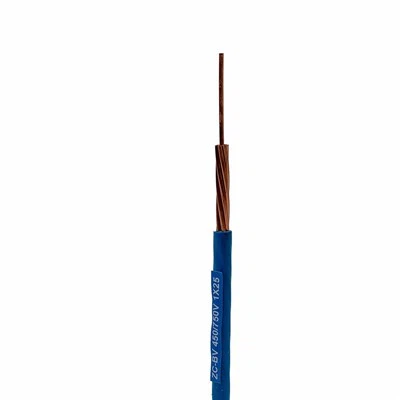
The core of these power cables consists of multiple strands of high-purity copper. The conductors are designed with a specific cross-sectional area: 50mm² Conductor: This is suitable for moderate current loads, typically found in residential or small commercial applications. 70mm² Conductor: This larger cross-sectional area is designed to handle higher current loads, making it ideal for industrial applications or large commercial installations. Copper is chosen for its excellent electrical conductivity and thermal properties. The multi-stranded design enhances flexibility, which is crucial for underground installations where the cable may need to navigate around obstacles or through conduit systems.
Insulation:
The insulation layer is made from Cross-Linked Polyethylene (XLPE). XLPE offers several advantages over traditional materials like PVC: Higher Thermal Stability: XLPE can withstand higher operating temperatures without degrading, making it suitable for both underground and above-ground applications. Enhanced Mechanical Strength: It provides better resistance to physical wear and tear, which is essential for protecting the conductor during installation and throughout the cable's lifespan. Low Moisture Absorption: XLPE has low water absorption properties, reducing the risk of electrical faults due to moisture ingress. The thickness of the XLPE insulation is carefully calculated to ensure optimal electrical performance and mechanical protection. For example, a typical insulation thickness might be around 2.8mm for the 50mm² core and 3.1mm for the 70mm² core.
Shielding (if applicable):
Some designs include a shielding layer, often made from materials like aluminum foil or braided copper. This layer provides additional protection against electromagnetic interference (EMI) and enhances the cable's overall durability.
Sheathing:
The outermost layer of the cable is the sheathing, which provides mechanical protection and environmental resistance. Common materials used for sheathing include: PVC, which offers good chemical resistance and cost-effectiveness. PE that provides excellent moisture resistance and flexibility. The sheathing also includes color coding to easily identify the phases and neutral conductors, enhancing safety during installation and maintenance.
Precautions
1. Cable Specifications
Verify the exact specifications of the cable, including its voltage rating, temperature rating, and suitability for direct burial or conduit installation. Check the manufacturer's datasheet for detailed information on the cable's properties and limitations.
2. Cable Handling and Storage
Handle the cable with care to avoid kinking, twisting, or excessive bending which can damage the insulation or conductors. Store the cable in a dry, cool environment away from direct sunlight and chemicals that could degrade the XLPE insulation.
3. Trench Preparation
The trench should be wide and deep enough to accommodate the cable without undue tension or compression. Ensure proper bedding and backfill materials are used to protect the cable from mechanical damage. Sand or fine gravel is often recommended for bedding.
4. Protection Against Moisture
Use waterproof tapes or heat shrink sleeves at joints and terminations to prevent moisture ingress. Consider using waterproof compounds or sealing systems if required by the installation environment.
5. Jointing and Terminating
Use appropriate tools and techniques for making joints and terminations. Follow the manufacturer's instructions meticulously. Ensure all joints and terminations are tested for continuity, insulation resistance, and integrity before covering them up.
6. Mechanical Protection
Install warning tapes or markers above the buried cable to alert future excavators of its presence. In areas with high risk of mechanical damage, consider additional protection such as conduit pipes, sandbags, or protective covers.


FAQs
Can XLPE cable be buried?
XLPE cable is made of a thermoset material, which means it is highly resistant to heat, moisture, and chemicals. This makes it an ideal choice for applications where the cable will be exposed to harsh environmental conditions, such as underground or underwater installations.
Which is better, XLPE or PVC?
XLPE provides greater tensile strength, elongation and impact resistances compared with PVC. This cross-linking process also enhances the material's resistance to oil and chemicals even at elevated temperature; this makes XLPE a popular pick as insulation for LSZH Flame Retardant or Fire Resistant cables.
Does XLPE cable need to be in conduit?
XHHW-2 Wire, also known as XLPE wire is a general-purpose wire that is suitable for applications in conduits, raceways, feeders, and branch circuits. It is also often found in power distribution systems in industrial, commercial, and residential buildings.
Is XLPE the same as PEX?
Automotive ducts and housings: PEX also referred to as XLPE is widely used in the aftermarket automotive industry for cold air intake systems and filter housings.
Is XLPE water resistant?
3 XLPE insulated wires and cables have excellent mechanical, waterproof and radiation resistance properties, so they are widely used.
What is XLPE insulation used for?
Common applications of cross-linked polyethylene (XLPE) are in building plumbing (or pipework) systems, as insulation for high voltage cables, and as an alternative for polyvinyl chloride (PVC) and copper tubing in water pipes.
What is the thickness of XLPE insulation?
We can manufacture XLPE starting from 3 mm up to 140 mm thickness.
What type of foam is XLPE?
Cross-linked polyethylene (XLPE) and Ethylene-Vinyl Acetate (EVA) foams are fine celled, chemically cross-linked materials with a micro-cellular structure. This type of material has a smooth surface, great shock absorption, and chemical resistivity.
What is XLPE made of?
XLPE cable is made from polyethylene (PE) as raw material, which is cross-linked by special electronic accelerators (or chemical methods). Cross-linking technology can change the molecular structure of polyethylene, thereby greatly improving its insulation performance.
What is XLPE equivalent to?
XLPE (Cross-Linked Poly Ethylene) insulation is found in XHHW, or RHH/RHW conductor types and generally exceeds the specs of standard building wire like THHN/THWN, which have simpler PVC insulation, but have a Nylon (the N at the end) jacket that is used to resist abrasion when pulling.
Hot Tags: 4 Core 70mm2 XLPE Insulated Cable, China 4 Core 70mm2 XLPE Insulated Cable manufacturers, suppliers, factory, outside electric extension cable, , , 4 Core Control Cable, copper xlpe 10 core Control wire