




Introduction
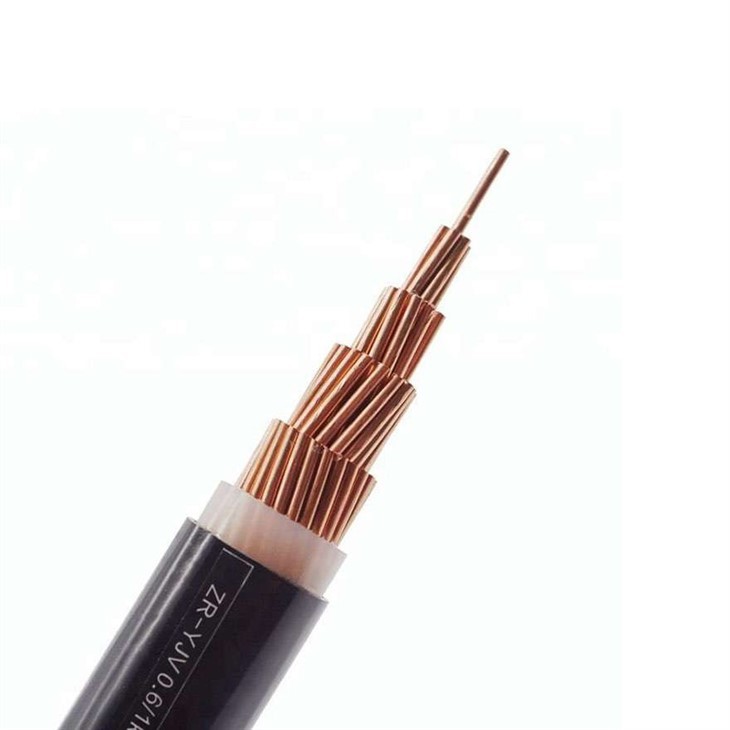
Underground power cables are engineered for reliable electrical transmission, featuring a copper or aluminum conductor insulated with cross-linked polyethylene (XLPE) to ensure high dielectric strength and thermal stability up to 90°C. These cables include a semiconductor shield for stress control, optional metallic armor for mechanical protection, and a moisture-resistant outer sheath of PVC or polyethylene, enabling operation under pressures up to 5000 lb/ft² and in submerged conditions. Designed for voltages ranging from 1kV to 35kV, they minimize electrical loss and enhance safety in urban, industrial, and rural applications, reducing environmental disruption and improving aesthetics.
Features
Enhanced Safety
One of the primary advantages of insulated underground power cables is the significant reduction in electrical hazards they provide. Unlike overhead lines that are susceptible to weather-related damage like lightning strikes or strong winds, underground cables are shielded from such elements. This reduces the likelihood of power outages caused by external factors, leading to a more reliable power supply. According to the U.S. Department of Energy, underground distribution systems experience outage rates approximately 60% lower than those with overhead lines. The insulation material acts as a barrier against accidental contact, minimizing the risk of electric shock or fire due to direct human contact or equipment interference.
Environmental Protection and Aesthetics
Underground cables have a smaller environmental footprint compared to their overhead counterparts. They eliminate the need for large corridors of land for power line right-of-ways, preserving natural habitats and reducing visual pollution in urban areas. Moreover, underground installations avoid disruption to wildlife, particularly bird populations that may be harmed by collisions with overhead lines or electrocution on power poles.
Longer Service Life and Lower Maintenance Costs
Insulated underground cables typically exhibit longer service lives compared to overhead lines. Buried cables are less exposed to environmental wear and tear, corrosion, and extreme temperature fluctuations. Properly installed underground cables can last up to 50 years or more, whereas overhead lines may require more frequent maintenance and replacement every 20-30 years. This extended lifespan translates into reduced maintenance costs over time. Additionally, the insulation materials used in these cables, such as cross-linked polyethylene (XLPE), offer excellent resistance to moisture, chemicals, and UV radiation, ensuring consistent performance throughout their operational life.
Improved Power Quality and System Stability
The use of insulated underground cables contributes to better overall power quality and system stability. These cables have lower susceptibility to interference from external electromagnetic fields, which can degrade signal quality in nearby communication systems. As a result, utilities can deliver more stable and consistent electricity to consumers. Furthermore, underground cables facilitate the integration of renewable energy sources, such as solar and wind farms, into existing grid infrastructure without compromising grid stability.
Application
Urban Infrastructure
In cities and urban areas, insulated underground power cables are extensively used for distributing electricity to homes, businesses, and public facilities. Their installation beneath the ground minimizes disruption from construction and maintenance activities, ensuring a reliable power supply without obstructing street views or pedestrian pathways. This is particularly beneficial in densely populated areas where overhead lines would be impractical or visually unappeaing.
Industrial Sites
These cables play a crucial role in industrial settings, including manufacturing plants, refineries, and mining operations. They provide a safe and efficient means of transmitting high-voltage power necessary for heavy machinery and equipment. The use of XLPE (Cross-Linked Polyethylene) insulation ensures resistance to harsh chemicals, moisture, and extreme temperatures, making them ideal for such environments. Additionally, the non-armored design with PVC sheathing offers flexibility and ease of installation in complex industrial layouts.
Renewable Energy Projects
With the growing emphasis on sustainable energy sources, insulated underground cables are integral to connecting solar farms, wind turbines, and other renewable energy installations to the national grid. Their ability to withstand environmental stresses and long-term exposure to sunlight, wind, and temperature variations makes them suitable for outdoor applications. Moreover, their low electromagnetic interference properties help maintain signal integrity in communication systems adjacent to renewable energy sites.
Critical Infrastructure and Data Centers
Data centers and critical infrastructure facilities require uninterrupted power supplies to ensure continuous operation. Insulated underground power cables provide a secure and stable power transmission solution, reducing the risk of outages caused by external factors such as storms or accidents.


FAQs
What is the meaning of XLPE insulated cable?
XLPE is an acronym for cross linked polyethylene. XLPE is a thermosetting polymer meaning that the material (polyethylene (PE)) is cured under heat and in that process forms bonds in all directions forming a three dimensional matrix. Within this XLPE matrix there is space between the individual molecules.
Can XLPE cable be buried?
XLPE cable is made of a thermoset material, which means it is highly resistant to heat, moisture, and chemicals. This makes it an ideal choice for applications where the cable will be exposed to harsh environmental conditions, such as underground or underwater installations.
Is XLPE cable better than PVC?
XLPE provides greater tensile strength, elongation and impact resistances compared with PVC. This cross-linking process also enhances the material's resistance to oil and chemicals even at elevated temperature; this makes XLPE a popular pick as insulation for LSZH Flame Retardant or Fire Resistant cables.
How do I know if my cable is XLPE?
First look at the cable sheath if in the marking legend it bears a mark V90 then the insulation is PVC if it bears the mark X-90 it is XLPE, these being the Australian standard codes for such insulations.
Does XLPE cable need to be in conduit?
XHHW-2 Wire, also known as XLPE wire is a general-purpose wire that is suitable for applications in conduits, raceways, feeders, and branch circuits. It is also often found in power distribution systems in industrial, commercial, and residential buildings.
Is XLPE sunlight resistant?
XLPE/AIA/PVC 600 Volt Power Type MC Cables provide an excellent crush resistance and a cost effective alternative to installations in conduit in commercial, industrial and utility applications as well as being Sunlight, Oil and Chemical resistant.
Why is it called XLPE?
XLPE is the abbreviation for Cross Linked PolyEthylene. Instead of ``C'' they used ``X'' symbolize for cross. XLPE insulated cable is used in multiple industries as this has become a requirement in local and global standards dependent on voltage requirement.
Can I bury XLPE cable?
XLPE cables require less maintenance, with no ancillary fluid equipment to monitor and maintain. Due to the comparable simplicity of XLPE, this type of cable can be installed in most areas, such as tunnels, ducts and troughs. They may also be buried directly.
At what temperature does XLPE melt?
The melting temperature of most commercial PE grades is between 105 ˚C and 110 ˚C. High-density PE has a melting temperature of 130 ˚C. The melting temperatures for conventional XLPE and heat-resistant XLPE are 103 ˚C and 123 ˚C, respectively.
Where are XLPE cables used?
XLPE cable (Cross-linked polyethylene) is a type of electrical cable commonly used for power transmission and distribution. XLPE cable is made of a thermoset material, which means it is highly resistant to heat, moisture, and chemicals.
Hot Tags: xlpe insulated underground power cable, China xlpe insulated underground power cable manufacturers, suppliers, factory, armoured copper power cable, main electrical armoured power cable, Armoured Power Cable with Ethernet, Cy Screened Cable, 3 Core Household Wire, Heavy Duty Outdoor Power Cord


