


When it comes to setting up the electrical system for a greenhouse, one common question that arises is whether household wire can be used. As a supplier of household wire, I've encountered this query numerous times, and I'm here to provide a comprehensive analysis to help you make an informed decision.
Understanding Household Wire
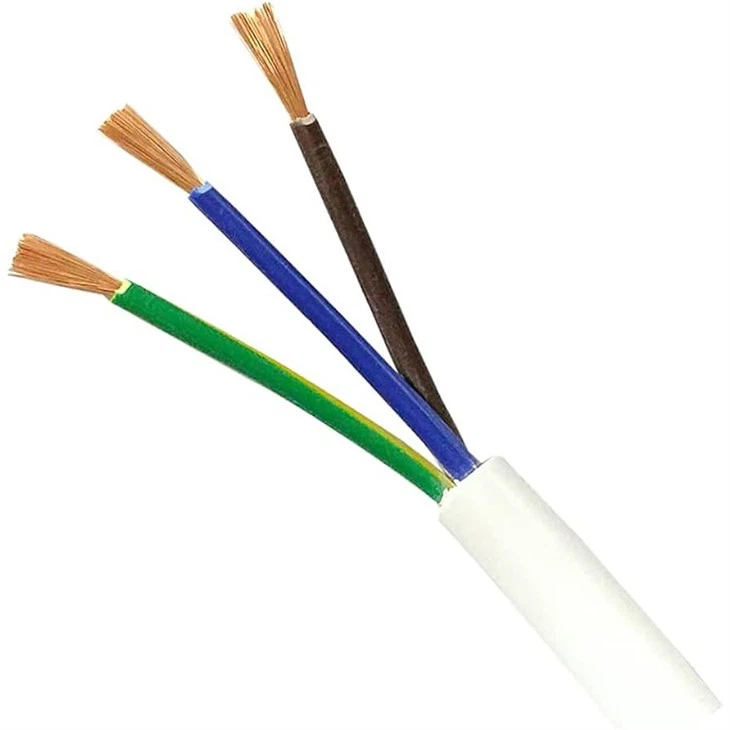
Household wire is designed primarily for use within residential buildings. It comes in various types and specifications, each tailored to different electrical applications in a home. For instance, Household Insulated Wire is a popular choice for general wiring needs. It is typically insulated to protect against electrical shocks and short - circuits. The insulation materials are selected to withstand normal household environmental conditions, such as moderate temperatures and low humidity.
Another common type is the 300/500V PVC Insulated Cable. This cable is rated for a specific voltage range and is often used for lighting and small electrical appliances in homes. It has a PVC insulation that provides a certain level of protection against moisture and abrasion.
Electrical Wire for House Lights is yet another specialized type of household wire. It is designed to handle the electrical load required for lighting fixtures in a home. The gauge of the wire is carefully selected to ensure that it can safely carry the current without overheating.
Greenhouse Electrical Requirements
A greenhouse has unique electrical requirements compared to a typical household setting. First, the environmental conditions in a greenhouse can be quite harsh. The temperature can fluctuate significantly, and the humidity levels are often much higher than in a home. These factors can accelerate the degradation of the insulation on the wire, increasing the risk of electrical failures and safety hazards.
Greenhouses also often require a variety of electrical equipment, such as grow lights, fans, heaters, and irrigation pumps. These devices may have different power requirements, and the electrical system needs to be able to handle the combined load. For example, high - intensity grow lights can draw a significant amount of current, and if the wire is not properly sized, it can overheat and potentially cause a fire.
Advantages of Using Household Wire in a Greenhouse
There are some advantages to using household wire in a greenhouse. One of the main benefits is cost. Household wire is generally more affordable than specialized greenhouse wiring. If you have a small greenhouse with relatively low - power electrical needs, using household wire can be a cost - effective solution.
Another advantage is availability. Household wire is widely available at local hardware stores, making it easy to source. This can be convenient if you need to make quick repairs or additions to your greenhouse electrical system.
Disadvantages of Using Household Wire in a Greenhouse
However, there are several significant disadvantages to using household wire in a greenhouse. As mentioned earlier, the harsh environmental conditions in a greenhouse can take a toll on the insulation of household wire. The high humidity can cause the insulation to break down over time, exposing the conductors and increasing the risk of electrical shocks and short - circuits.
In addition, household wire may not be rated for the specific electrical loads required in a greenhouse. The wire may overheat if it is not sized correctly for the power requirements of the equipment in the greenhouse. This can lead to premature failure of the wire and potentially pose a fire hazard.

Safety Considerations
Safety should always be the top priority when setting up an electrical system in a greenhouse. Using household wire that is not suitable for the greenhouse environment can compromise safety. Electrical shocks can be life - threatening, and a fire in a greenhouse can destroy your plants and equipment.
To ensure safety, it is important to follow all local electrical codes and regulations when installing an electrical system in a greenhouse. These codes are designed to protect against electrical hazards and ensure that the system is installed correctly.
Alternatives to Household Wire
If the disadvantages of using household wire in a greenhouse outweigh the advantages, there are alternatives available. Specialized greenhouse wiring is designed to withstand the harsh environmental conditions in a greenhouse. It has better insulation that is resistant to moisture, heat, and UV radiation.
Some greenhouse wiring is also rated for higher electrical loads, making it suitable for powering multiple pieces of equipment. While specialized greenhouse wiring may be more expensive than household wire, it offers greater safety and reliability in the long run.
Making the Decision
When deciding whether to use household wire for a greenhouse electrical setup, you need to consider several factors. First, assess the size of your greenhouse and the electrical equipment you plan to use. If you have a small greenhouse with low - power needs, and you take appropriate precautions to protect the wire from the environment, using household wire may be a viable option.
However, if you have a large greenhouse with high - power equipment, or if you are concerned about safety and long - term reliability, it is advisable to use specialized greenhouse wiring.
Conclusion
In conclusion, while it is possible to use household wire for a greenhouse electrical setup, it is not always the best choice. The unique environmental conditions and electrical requirements of a greenhouse need to be carefully considered. As a household wire supplier, I understand the cost - effectiveness of using household wire, but I also prioritize safety.
If you are still unsure about which type of wire to use for your greenhouse, I encourage you to reach out to discuss your specific needs. We can help you evaluate your options and make the best decision for your greenhouse electrical system. Whether you choose household wire or specialized greenhouse wiring, we are here to provide you with high - quality products and professional advice. Contact us to start the procurement and negotiation process.
References
- Electrical Wiring Handbook, various editions
- National Electrical Code (NEC) for guidelines on electrical installations
- Manufacturer specifications for household wire and greenhouse wiring products


