


When it comes to setting up or renovating a household electrical system, one of the most crucial decisions is choosing the right wire. The standard gauge for household wire plays a pivotal role in ensuring safety, efficiency, and compliance with electrical codes. As a household wire supplier, I've witnessed firsthand the importance of understanding these standards and how they impact both homeowners and contractors.
Understanding Wire Gauge
Wire gauge is a measure of the diameter of a wire. In the United States, the American Wire Gauge (AWG) system is commonly used. The lower the AWG number, the thicker the wire. For instance, a 10 AWG wire is thicker than a 14 AWG wire. Thicker wires can carry more electrical current without overheating, which is a critical factor in preventing electrical fires.
Factors Influencing the Choice of Wire Gauge
Several factors come into play when determining the appropriate wire gauge for a household application. The first and most significant factor is the amount of electrical current the wire needs to carry. This is directly related to the electrical load of the devices or appliances connected to the circuit. For example, a large appliance like an electric stove or dryer typically requires a thicker wire, such as 6 AWG or 8 AWG, to handle the high current draw. On the other hand, lighting circuits and small outlets may use 14 AWG or 12 AWG wire.
Another factor is the length of the wire run. Longer wire runs result in greater resistance, which can cause a voltage drop. To compensate for this, a thicker wire may be necessary to ensure that the electrical devices receive the proper voltage. For instance, if you're installing a circuit in a large house and the wire needs to travel a long distance from the electrical panel to the outlet, you might need to upgrade from 14 AWG to 12 AWG to maintain adequate voltage.
The type of insulation on the wire also affects its performance and the choice of gauge. Different insulation materials have different temperature ratings, which determine how much heat they can withstand. For example, wires with thermoplastic insulation are suitable for general household use, while those with higher-temperature insulation may be required in areas where the wire is exposed to heat, such as near a furnace or in an attic.
Common Wire Gauges in Household Applications
Let's take a closer look at some of the most common wire gauges used in households and their typical applications:
- 14 AWG Wire: This is the thinnest wire commonly used in household electrical systems. It is typically rated for a maximum current of 15 amps and is suitable for lighting circuits, small appliances, and general-purpose outlets. For example, you might use 14 AWG wire to connect a string of lights or a small table lamp.
- 12 AWG Wire: Slightly thicker than 14 AWG, 12 AWG wire is rated for a maximum current of 20 amps. It is commonly used for outlets that will be used to power larger appliances, such as televisions, computers, and small power tools. Many modern homes use 12 AWG wire for all general-purpose outlets to provide more flexibility and safety.
- 10 AWG Wire: With a maximum current rating of 30 amps, 10 AWG wire is used for larger appliances that require more power, such as window air conditioners, electric water heaters, and some electric ranges.
- 8 AWG and 6 AWG Wire: These thicker wires are used for high-power appliances like electric dryers, electric stoves, and electric vehicle chargers. They can handle currents of 40 amps or more, depending on the specific application.
Our Product Offerings
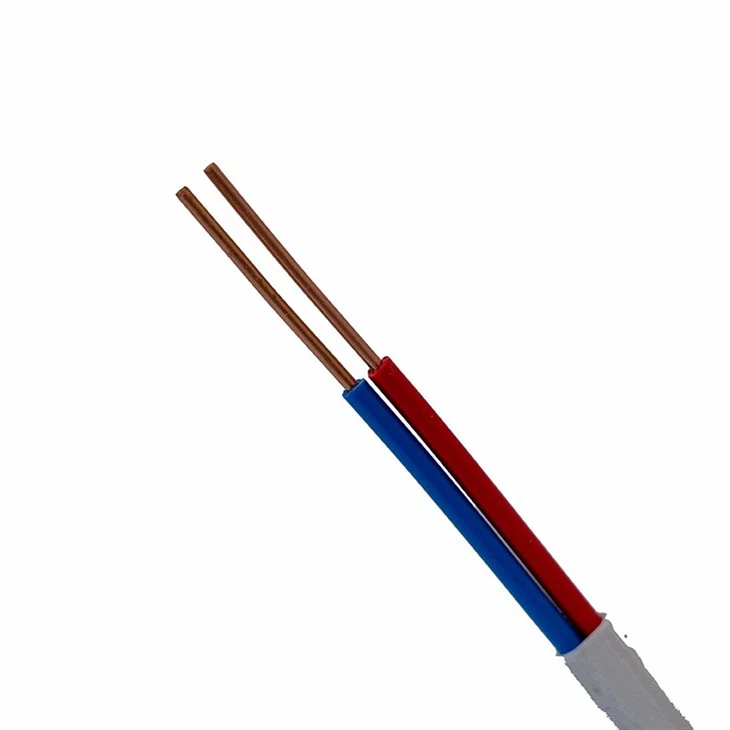
As a household wire supplier, we offer a wide range of wires to meet the diverse needs of our customers. Our Copper Core Polyethylene Insulated Cable is a popular choice for its excellent electrical conductivity and durability. The copper core ensures low resistance and efficient power transmission, while the polyethylene insulation provides good protection against moisture and abrasion.
We also have a variety of Common House Wire options in different gauges, suitable for various household applications. Whether you need 14 AWG for a simple lighting circuit or 6 AWG for a high-power appliance, we have the right wire for you.
In addition, our 3 Core Household Wire is ideal for applications that require multiple conductors, such as three-way switches and some types of electrical appliances. The three cores provide separate paths for the hot, neutral, and ground wires, ensuring safe and reliable operation.
Importance of Compliance with Electrical Codes
It's important to note that choosing the right wire gauge is not just a matter of preference; it's also a requirement of electrical codes. Electrical codes are designed to ensure the safety of electrical systems in homes and other buildings. Using the wrong wire gauge can lead to overheating, electrical fires, and other hazards. Therefore, it's essential to consult a qualified electrician or refer to the local electrical code when selecting wire for your household electrical project.
Conclusion
In conclusion, understanding the standard gauge for household wire is essential for anyone involved in household electrical work. By considering factors such as the electrical load, wire length, and insulation type, you can choose the right wire gauge to ensure the safety and efficiency of your electrical system. As a household wire supplier, we are committed to providing high-quality wires that meet or exceed industry standards. If you have any questions or need assistance in selecting the right wire for your project, please don't hesitate to contact us. We're here to help you make the best choice for your home.

References
- National Electrical Code (NEC)
- Electrical Wiring Handbook
- Various industry publications on electrical safety and wire selection


