As a supplier of Low Voltage YJV Cable, accurately identifying the phase sequence of these cables is crucial for ensuring the proper functioning of electrical systems. In this blog post, I'll provide a comprehensive guide on how to identify the phase sequence of Low Voltage YJV Cable, which is essential for both technicians and buyers.
Understanding Low Voltage YJV Cable
Before delving into the identification of phase sequence, it's important to understand the nature of Low Voltage YJV Cable. YJV cables are widely used in electrical power systems to transmit and distribute electricity. The "YJ" in YJV stands for cross-linked polyethylene insulation, which offers excellent electrical and mechanical properties. The "V" represents the polyvinyl chloride sheath, providing protection against environmental factors. Low voltage YJV cables are designed for use in systems with a rated voltage typically up to 0.6/1kV.
Why Identify Phase Sequence?
Identifying the correct phase sequence is vital for several reasons. In a three - phase electrical system, the phase sequence determines the direction of rotation of motors. If the phase sequence is incorrect, motors may run in the wrong direction, leading to equipment damage and operational inefficiencies. Additionally, proper phase sequence is essential for the balanced operation of electrical loads, preventing overheating and premature failure of components.
Methods for Identifying Phase Sequence
1. Visual Inspection
The first step in identifying the phase sequence can be a visual inspection. Many Low Voltage YJV Cables are color - coded to represent different phases. In a standard three - phase system:
- Phase A is often represented by the color yellow.
- Phase B is typically blue.
- Phase C is usually red.
However, it's important to note that color - coding standards may vary depending on the region and specific application. For example, in some areas, the color for Phase B might be black. So, always refer to the local electrical codes and cable manufacturer's specifications for accurate color - coding information.
When visually inspecting the cable, look for markings on the insulation. Some cables may have printed labels indicating the phase number or color - coded stripes along the length of the cable. For instance, 1x150 Xlpe Yjv Cable, which is a type of Low Voltage YJV Cable, might have distinct markings to help with phase identification.
2. Using a Phase Sequence Indicator
A phase sequence indicator is a specialized tool designed to determine the phase sequence of a three - phase electrical system. It works by comparing the relative voltages and phase angles of the three phases.
Here's how to use a phase sequence indicator:
- Safety First: Before using the indicator, ensure that the power supply to the cable is turned off. Wear appropriate safety gear, such as insulated gloves.
- Connect the Probes: Connect the three probes of the phase sequence indicator to the three conductors of the Low Voltage YJV Cable. The indicator usually has clear markings indicating which probe should be connected to which phase.
- Power On: Once the probes are connected, turn on the power to the cable. The phase sequence indicator will display the phase sequence, typically using lights or digital readouts. If the indicator shows the sequence as A - B - C, it means the phases are in the correct order. If it shows a different sequence, say A - C - B, then the phase sequence is incorrect.
3. Measuring Voltage and Current
If a phase sequence indicator is not available, you can also measure the voltage and current in the three phases to determine the phase sequence. This method requires a bit more knowledge of electrical principles and the use of a multimeter or a power analyzer.
- Measure Voltage: Measure the voltage between each pair of conductors. In a balanced three - phase system, the line - to - line voltages should be equal. If the voltages are significantly different, it could indicate a problem with the phase sequence or a fault in the cable.
- Measure Current: Measure the current in each phase. In a balanced system, the currents in the three phases should be equal in magnitude but displaced by 120 degrees in phase. You can use a clamp - on ammeter to measure the current without having to break the circuit.
By analyzing the voltage and current measurements, you can determine the phase sequence. For example, if the current in Phase A reaches its peak before Phase B, and Phase B reaches its peak before Phase C, then the phase sequence is A - B - C.
Special Considerations for 16mm 4 Core Xlpe Cable
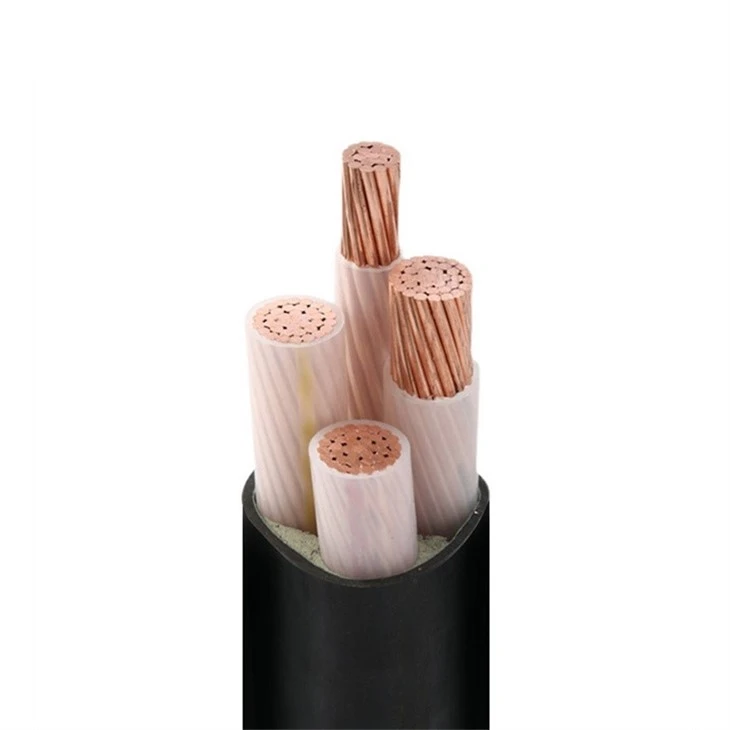
The 16mm 4 Core Xlpe Cable is a common type of Low Voltage YJV Cable. In a 4 - core cable, three cores are used for the three phases (A, B, and C), and the fourth core is often used as a neutral conductor.
When identifying the phase sequence in a 4 - core cable, pay special attention to the neutral conductor. The neutral conductor should be easily distinguishable from the phase conductors, often by its color (usually black or white). Make sure not to confuse the neutral with one of the phases during the identification process.

Conclusion
Accurately identifying the phase sequence of Low Voltage YJV Cable is essential for the safe and efficient operation of electrical systems. Whether you are a technician installing a new electrical system or a buyer looking to ensure the quality of the cables you purchase, understanding the methods of phase sequence identification is crucial.
If you are in the market for high - quality Low Voltage YJV Cables or need more information on phase sequence identification, feel free to contact us for a detailed discussion. We are committed to providing you with the best products and technical support to meet your electrical needs.
References
- Electrical Installation Handbook, Schneider Electric
- National Electrical Code (NEC), National Fire Protection Association