Hey there! I'm an outdoor electrical cable supplier, and I often get asked if outdoor electrical cables can be used for solar panel systems. It's a great question, and today I'm gonna break it down for you.
First off, let's talk about what solar panel systems need from cables. Solar panels generate DC (direct current) electricity, and this power needs to be safely and efficiently transferred from the panels to an inverter, which then converts it into AC (alternating current) for use in your home or business. The cables in a solar panel system have to handle this DC power, resist environmental factors like sunlight, heat, cold, and moisture, and also meet safety standards.
Now, outdoor electrical cables are designed to be used outside. They're built to withstand the elements, such as rain, snow, UV rays, and temperature fluctuations. This makes them seem like a good fit for solar panel systems, right? Well, it's not that simple.
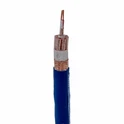
Let's start with the types of outdoor electrical cables I supply. I've got the 120mm Xlpe Cable. XLPE stands for cross-linked polyethylene, which is a type of insulation. This cable is known for its excellent electrical properties and resistance to heat and moisture. It's commonly used in outdoor power distribution and can handle high voltages.
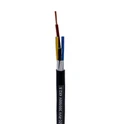
Then there's the Halogen-free Multi-core Copper Cable. As the name suggests, it's halogen-free, which means it doesn't release toxic fumes when burned. It has multiple cores, which can be useful for carrying different signals or power sources. Copper is a great conductor, so it ensures efficient power transfer.
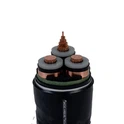
And of course, I offer the Xlpe Insulation Outdoor Electrical Cable. Similar to the 120mm Xlpe Cable, the XLPE insulation provides good protection against environmental factors and electrical interference.
But can these cables be used for solar panel systems? The answer is, it depends.
One of the main differences between regular outdoor electrical cables and solar cables is the voltage and current they're designed to handle. Solar panel systems typically operate at lower voltages compared to some traditional outdoor power distribution systems. For example, a small residential solar panel system might operate at 12V or 24V DC, while an outdoor electrical cable might be rated for much higher voltages, like 600V or 1000V.
Another important factor is the temperature rating. Solar panels can get really hot, especially in direct sunlight. The cables connected to them need to be able to withstand these high temperatures without degrading. Some outdoor electrical cables might have a lower temperature rating than what's required for a solar panel system.
UV resistance is also crucial. Solar panels are constantly exposed to sunlight, and the cables need to be able to resist the damaging effects of UV rays over a long period. While many outdoor electrical cables have some level of UV resistance, solar cables are specifically designed to have enhanced UV protection.
However, in some cases, outdoor electrical cables can be used for solar panel systems. If the voltage and current requirements of the solar panel system are within the rating of the outdoor electrical cable, and the cable has sufficient temperature and UV resistance, then it might work. For example, if you have a small, low-power solar panel system in a relatively cool and shaded area, a well-chosen outdoor electrical cable could be a viable option.
But for most solar panel installations, it's recommended to use cables that are specifically designed for solar applications. These solar cables are engineered to meet the unique requirements of solar panel systems, such as low voltage operation, high temperature resistance, and excellent UV protection.
So, if you're thinking about using outdoor electrical cables for your solar panel system, here are some things to consider:
- Check the voltage and current ratings: Make sure the cable can handle the power output of your solar panel system.
- Look at the temperature rating: Ensure the cable can withstand the maximum temperatures your solar panels are likely to reach.
- Evaluate the UV resistance: The cable should be able to resist UV damage over the lifespan of your solar panel system.
- Consider safety standards: Solar cables often have to meet specific safety standards, so make sure the cable you choose complies with these requirements.
As an outdoor electrical cable supplier, I'm here to help you make the right decision. If you're unsure whether an outdoor electrical cable is suitable for your solar panel system, feel free to reach out. I can provide you with more information about the cables I supply and help you determine if they're a good fit for your project.


If you're interested in purchasing outdoor electrical cables for your solar panel system or any other outdoor application, don't hesitate to contact me. We can have a chat about your specific needs and find the best cable solution for you.
In conclusion, while outdoor electrical cables can potentially be used for solar panel systems in some cases, it's important to carefully evaluate their suitability. Solar cables are usually the better choice, but if you do your research and choose the right outdoor electrical cable, it might work for your project.
References
- National Electrical Code (NEC)
- International Electrotechnical Commission (IEC) standards for solar cables
- Manufacturer specifications for outdoor electrical cables and solar cables