What is the weight of armoured cable per meter? That's a question I get asked a lot as an armoured cable supplier. Let's dig into this topic and break it down so you can have a better understanding.
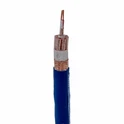
First off, the weight of armoured cable per meter can vary a whole bunch. It depends on several factors, and the type of cable you're looking at is a major one. For example, XLPE Insulated Underground Power Cable is designed for underground use. The armor in this type of cable is there to protect it from physical damage while it's buried. Usually, the XLPE insulation adds a certain amount of weight, and then the armor itself, which could be made of steel or aluminum, contributes more. A thicker armor means more weight per meter.
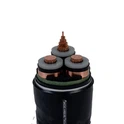
Another common type is the Yjv32 Power Electrical Cable Amourd. This cable is often used in power transmission and distribution systems. The construction of the Yjv32 includes multiple layers - the core conductors, insulation, and of course, the armor. The weight of the conductors, typically made of copper or aluminum, plays a big role. Copper is denser than aluminum, so a Yjv32 cable with copper conductors will weigh more than one with aluminum conductors. And the armor on the Yjv32 is designed to be strong enough to withstand mechanical stress, which adds to its overall weight.
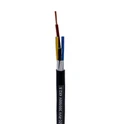
The 600 1000v Armoured Cable is yet another option, suitable for a range of low - voltage applications. The voltage rating doesn't directly affect the weight, but the design and materials used to meet that voltage requirement do. For instance, the insulation must be thick enough to handle the voltage, and the armor needs to be robust to protect the cable during installation and use.
Let's talk about the materials in more detail. As I mentioned, the conductor material is crucial. Copper is a popular choice because it has excellent electrical conductivity. It's also relatively heavy. A copper - cored armoured cable will generally have a higher weight per meter compared to an aluminum - cored one. Aluminum, on the other hand, is lighter. It's less dense than copper, so an aluminum - cored cable can be a good option if weight is a concern, like in some overhead installations where lighter cables are easier to handle.
The armor material also impacts the weight. Steel armor is strong and offers great protection against physical damage, like from digging or rodents. But it's heavy. Aluminum armor is lighter, but it may not be as strong as steel. In areas where the risk of physical damage is lower, aluminum - armored cables can be a better choice due to their lighter weight.
The cross - sectional area of the cable is another factor. A cable with a larger cross - sectional area has more conductors, insulation, and armor. This means it will weigh more per meter. For example, a cable designed to carry a high amount of current will need a larger cross - sectional area, and thus, it'll be heavier.


To get a rough idea of the weight, here are some ballpark figures. A small - gauge, aluminum - cored armoured cable might weigh around 0.5 to 1 kilogram per meter. Medium - sized copper - cored cables could weigh anywhere from 2 to 5 kilograms per meter. And large - gauge, steel - armoured cables used in heavy - duty applications can weigh 10 kilograms or more per meter.
It's important to note that these are just estimates. The actual weight can vary depending on the specific manufacturer, the exact specifications of the cable, and any additional features.
Now, why do you need to know the weight of the armoured cable per meter? Well, for one, it matters during installation. If you're using cranes or other lifting equipment to install the cable, you need to know the weight to make sure the equipment can handle it safely. Also, shipping costs are often based on weight. A heavier cable will cost more to transport, so knowing the weight per meter helps you budget for the shipping.
Moreover, in some construction projects, there are limitations on the weight that a structure can support. If you're installing cables on a building's ceiling or in a confined space, the weight of the cable is a crucial factor.
As an armoured cable supplier, I understand that you have different needs. Whether you're looking for a lightweight cable for an overhead installation or a heavy - duty cable for an industrial site, I've got you covered. We offer a wide range of armoured cables, including the XLPE Insulated Underground Power Cable, Yjv32 Power Electrical Cable Amourd, and 600 1000v Armoured Cable.
If you're interested in learning more about our products or getting a quote, don't hesitate to reach out. We can discuss your specific requirements and help you choose the right cable for your project, taking into account factors like weight, voltage, and application.
In conclusion, the weight of armoured cable per meter is influenced by many factors, including the type of cable, conductor material, armor material, and cross - sectional area. By understanding these factors, you can make a more informed decision when it comes to choosing the right cable for your needs. So, if you're in the market for armoured cables, give us a shout, and we'll work together to find the best solution for you.
References
- Electrical Cable Handbook
- Industry Standards for Armoured Cables