Rodents can pose a significant threat to electrical wires, leading to short circuits, power outages, and even fire hazards. As an electrical wire supplier, I understand the importance of protecting these essential components from rodent damage. In this blog post, I'll share some effective strategies to safeguard electrical wires from rodents, ensuring the safety and reliability of your electrical systems.
Understanding the Rodent Threat
Rodents, such as mice and rats, have a natural instinct to chew on various objects, including electrical wires. Their teeth are constantly growing, and chewing helps keep them trimmed. Unfortunately, electrical wires are often an attractive target due to their texture and the warmth they emit. When rodents chew through the insulation of electrical wires, they expose the conductive metal inside, which can lead to electrical problems and safety risks.
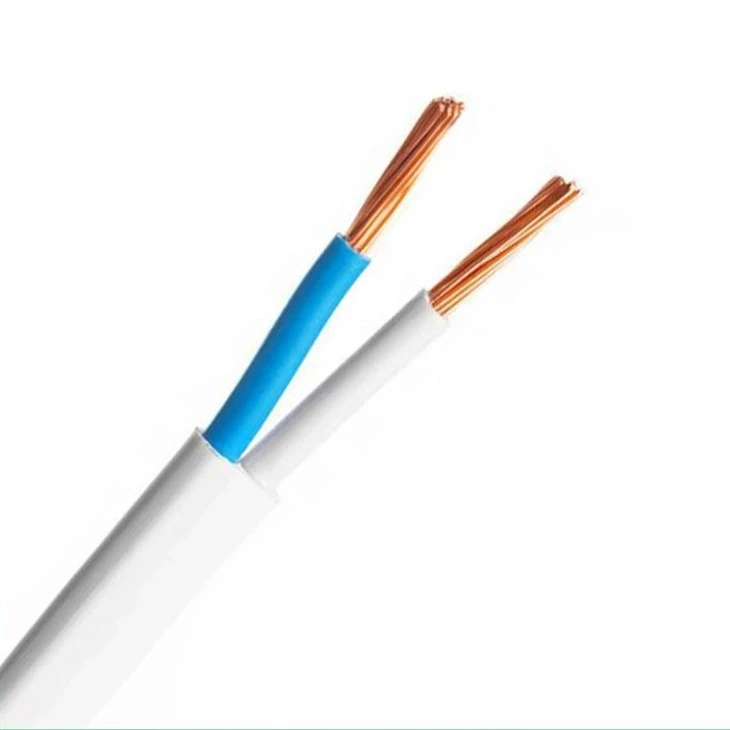

Choose Rodent-Resistant Wires
One of the most effective ways to protect electrical wires from rodents is to choose wires that are specifically designed to resist rodent damage. Some wires are made with materials that are less appealing to rodents or have a tough outer layer that is difficult for them to chew through.
-
Cross Linked Polyethylene Wire: Cross Linked Polyethylene (XLPE) wire is a popular choice for many applications due to its excellent electrical properties and resistance to environmental factors. XLPE insulation is also highly resistant to rodent damage, making it a great option for areas where rodents are a concern. Cross Linked Polyethylene Wire
-
PVC Insulated Household Wire: PVC (Polyvinyl Chloride) is a common insulation material used in household electrical wires. While standard PVC insulation may not be completely rodent-proof, there are PVC-insulated wires available that are formulated to be more resistant to rodent chewing. PVC Insulated Household Wire
-
Double Core Pvc Insulated Wire: Double core PVC insulated wires provide an extra layer of protection compared to single core wires. The additional insulation can make it more difficult for rodents to reach the conductive cores, reducing the risk of damage. Double Core Pvc Insulated Wire
Physical Barriers
In addition to choosing rodent-resistant wires, you can also use physical barriers to prevent rodents from accessing electrical wires. Here are some effective options:
-
Conduits and Raceways: Installing electrical wires in conduits or raceways can provide a physical barrier between the wires and rodents. Conduits are typically made of metal or plastic and can be installed in walls, floors, or ceilings to protect the wires. Raceways are similar to conduits but are usually used for surface-mounted wiring.
-
Wire Mesh: Wrapping electrical wires with wire mesh can also help prevent rodent damage. The mesh should be made of a strong material, such as stainless steel, and have small enough openings to prevent rodents from chewing through.
-
Seal Entry Points: Rodents can enter buildings through small cracks and holes in the walls, floors, or foundation. Sealing these entry points with caulk, foam, or other materials can help prevent rodents from getting inside and accessing the electrical wires.
Environmental Management
Another important aspect of protecting electrical wires from rodents is to manage the environment around them. Here are some tips:
-
Keep the Area Clean: Rodents are attracted to areas with food, water, and shelter. Keeping the area around the electrical wires clean and free of clutter can make it less appealing to rodents.
-
Remove Food Sources: Store food in sealed containers and clean up spills and crumbs promptly. Avoid leaving pet food out overnight, as this can attract rodents.
-
Trim Vegetation: Overgrown vegetation can provide shelter and hiding places for rodents. Trimming trees, shrubs, and grass away from the building can reduce the risk of rodents accessing the electrical wires.
Rodent Control Measures
In some cases, it may be necessary to implement rodent control measures to prevent rodent damage to electrical wires. Here are some options:
-
Traps: Traps are a common and effective way to control rodent populations. There are several types of traps available, including snap traps, glue traps, and live traps. Choose the type of trap that is most appropriate for your situation and follow the manufacturer's instructions carefully.
-
Baits: Rodent baits can also be used to control rodent populations. Baits are typically made of a toxic substance that is attractive to rodents. However, it is important to use baits safely and follow the manufacturer's instructions to avoid harming other animals or humans.
-
Professional Pest Control: If you have a severe rodent infestation or are unable to control the rodents on your own, it may be necessary to hire a professional pest control company. A professional pest control technician can assess the situation and recommend the most appropriate treatment options.
Regular Inspections
Finally, it is important to conduct regular inspections of your electrical wires to check for signs of rodent damage. Look for chew marks, frayed insulation, or other signs of damage. If you notice any problems, have the wires repaired or replaced immediately to prevent further damage and ensure the safety of your electrical system.
Conclusion
Protecting electrical wires from rodents is essential for the safety and reliability of your electrical systems. By choosing rodent-resistant wires, using physical barriers, managing the environment, implementing rodent control measures, and conducting regular inspections, you can reduce the risk of rodent damage and ensure the long-term performance of your electrical wires.
If you have any questions or need further information about protecting electrical wires from rodents, or if you are interested in purchasing high-quality electrical wires, please feel free to contact us. We are here to help you find the best solutions for your electrical needs.
References
- National Fire Protection Association. (2023). Electrical Wiring and Equipment. Retrieved from [NFPA Website]
- Centers for Disease Control and Prevention. (2023). Rodent-Borne Diseases. Retrieved from [CDC Website]
- U.S. Environmental Protection Agency. (2023). Rodent Control. Retrieved from [EPA Website]