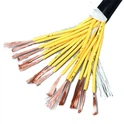
Hey there! If you're into DIY home projects or working on a building, routing 3 Core Household Wire is something you might need to figure out. As a 3 Core Household Wire supplier, I've seen it all when it comes to wiring buildings, and I'm here to share some tips and tricks with you.
Understanding 3 Core Household Wire
Before we get into the routing part, let's quickly cover what 3 Core Household Wire is. This type of wire typically has three conductors, each with its own function. Usually, you'll have a live (hot) wire, a neutral wire, and an earth (ground) wire. The live wire carries the electrical current from the power source, the neutral wire completes the circuit, and the earth wire provides a safe path for electrical faults.
If you're looking for more details about 3 Core Household Wire, you can check out this page: 3 Core Household Wire.
Planning Your Wiring Route
The first step in routing 3 Core Household Wire in a building is planning. You need to have a clear idea of where the wire needs to go. Start by looking at the electrical layout of the building. Identify the locations of the electrical panels, switches, outlets, and light fixtures. This will give you a rough idea of the path the wire needs to take.
Make a sketch of the building and mark the locations of all the electrical components. Then, draw the route for the 3 Core Household Wire. Try to keep the route as straight and direct as possible to minimize the length of the wire and reduce the risk of voltage drop. Also, avoid running the wire near sources of heat, water, or other potential hazards.
Gathering Your Tools and Materials
Once you have a plan in place, it's time to gather the tools and materials you'll need. Here's a list of some basic items:
- 3 Core Household Wire: Obviously, you'll need the wire itself. Make sure you choose the right gauge for your application. Thicker wires can handle more current, so if you're powering high-wattage appliances, you'll need a larger gauge.
- Wire Cutters and Strippers: These are essential for cutting the wire to the right length and stripping the insulation off the ends.
- Fish Tape: This tool helps you pull the wire through walls, ceilings, and other tight spaces.
- Electrical Boxes: These are used to house switches, outlets, and other electrical components.
- Screwdrivers and Drill: You'll need these to install the electrical boxes and secure the wire.
- Wire Nuts: These are used to connect the wires together safely.
Routing the Wire
Now that you have everything ready, it's time to start routing the wire. Here's a step-by-step guide:
- Start at the Electrical Panel: Begin by running the wire from the electrical panel to the first location where you need to install an outlet, switch, or light fixture. Use the fish tape to pull the wire through the walls or ceilings. Make sure to leave enough slack at each end of the wire for connections.
- Run the Wire Along Studs or Joists: To protect the wire and make it easier to install, run it along the studs or joists in the walls and ceilings. You can use cable staples to secure the wire to the studs or joists at regular intervals.
- Make Connections at Electrical Boxes: When you reach an electrical box, use wire nuts to connect the 3 Core Household Wire to the appropriate terminals. Make sure to follow the electrical code and use the correct color-coding for the wires. The live wire is usually black or red, the neutral wire is white, and the earth wire is green or bare copper.
- Continue Routing the Wire: Once you've made the connections at the first electrical box, continue routing the wire to the next location. Repeat the process of pulling the wire through walls or ceilings, securing it to the studs or joists, and making connections at each electrical box.
- Terminate the Wire: When you reach the final location, cut the wire to the appropriate length and make the final connections. Make sure to test the circuit to ensure that it's working properly.
Safety Tips
Routing 3 Core Household Wire can be dangerous if you don't follow the proper safety procedures. Here are some important safety tips to keep in mind:


- Turn Off the Power: Before you start working on any electrical wiring, make sure to turn off the power at the electrical panel. This will prevent the risk of electric shock.
- Use Proper Insulation: Make sure all the wires are properly insulated to prevent short circuits and electrical fires.
- Follow the Electrical Code: The electrical code is designed to ensure the safety of electrical installations. Make sure to follow the code when routing the wire and making connections.
- Wear Protective Gear: When working with electrical wiring, wear protective gear such as gloves and safety glasses to prevent injuries.
Using 3 Core Household Wire for House Lights
3 Core Household Wire is commonly used for wiring house lights. If you're interested in learning more about electrical wire for house lights, you can check out this page: Electrical Wire for House Lights.
The Importance of Quality Household Insulated Wire
When it comes to household wiring, the quality of the wire is crucial. Poor-quality wire can lead to electrical problems such as short circuits, voltage drop, and even electrical fires. That's why it's important to choose high-quality Household Insulated Wire.
As a supplier, we offer a wide range of Household Insulated Wire that meets the highest standards of quality and safety. Our wires are made from high-grade materials and are designed to provide reliable performance for years to come.
Contact Us for Your Wiring Needs
If you're in the market for 3 Core Household Wire or other types of electrical wiring, we'd love to hear from you. We can provide you with the products you need at competitive prices and offer expert advice on wiring installation. Whether you're a DIY enthusiast or a professional electrician, we're here to help.
So, don't hesitate to contact us if you have any questions or if you're ready to place an order. We look forward to working with you!
References
-National Electrical Code (NEC)
-Electrical installation manuals
-Materials provided by wire manufacturers