Can I splice household wire myself?
As a household wire supplier, I often get asked whether it's a good idea for homeowners to splice their own household wires. This is a question that involves a blend of safety, technical know - how, and cost - effectiveness. Let's dive deep into this topic to understand the ins and outs of self - splicing household wires.
Safety First
Safety is the most crucial aspect when dealing with electrical work. Household electricity can be extremely dangerous, and improper splicing can lead to short circuits, electrical fires, and even electrocution. When you splice wires, you are essentially creating a new connection point. If this connection is not made correctly, it can cause resistance to build up at the splice. High resistance leads to heat generation, which is a major fire hazard.
For instance, if you don't strip the wire insulation properly, the connection may be loose. Loose connections can arc, which is a visible discharge of electricity between two conductors. Arcing can generate enough heat to melt the insulation and start a fire. Also, using the wrong type of connectors or not securing them tightly can have the same dangerous consequences.
Technical Requirements
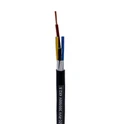
Splicing household wires requires a certain level of technical knowledge. You need to understand the basics of electrical circuits, such as voltage, current, and resistance. Different types of wires are used for different purposes in a household. For example, Electrical Wire for House Lights may have different specifications compared to wires used for high - power appliances like refrigerators or air conditioners.
You also need to know how to properly strip the insulation from the wires without damaging the conductors. The tools required for this task include wire strippers, which come in different sizes depending on the wire gauge. After stripping, you must twist the conductors together tightly and then use appropriate connectors. There are various types of connectors available, such as wire nuts, crimp connectors, and soldering. Each method has its own set of requirements and best - use scenarios.
Soldering, for example, provides a very strong and reliable connection. However, it requires skill and the right equipment. If not done correctly, solder joints can be brittle and break over time. Wire nuts are easier to use but need to be selected based on the wire gauge and the number of wires being joined. Using the wrong size wire nut can result in a loose connection.
Cost - Effectiveness
One of the reasons people consider splicing their own wires is to save money. Hiring a professional electrician can be expensive, especially for small jobs. However, if you make a mistake during the splicing process, it can end up costing you more in the long run. You may have to pay for repairs due to electrical problems caused by improper splicing, or you may even need to replace the entire wiring system if the damage is severe.
On the other hand, if you have the necessary skills and tools, self - splicing can be a cost - effective option. You can purchase Household Insulated Wire from a reliable supplier like us at a reasonable price and complete the job yourself. But it's important to weigh the potential savings against the risks involved.
When to DIY and When to Call a Professional
If you have some experience with electrical work and are confident in your abilities, you may be able to splice simple wires, such as those for a light fixture or a small appliance. However, if the splicing involves high - voltage circuits, main electrical panels, or complex wiring systems, it's best to call a professional electrician.
For example, if you need to splice wires in a new addition to your house or if you are upgrading your electrical system, a professional can ensure that the work is done in compliance with local electrical codes. Electrical codes are in place to protect you and your property from electrical hazards, and non - compliance can result in fines or insurance issues.
Our Role as a Household Wire Supplier
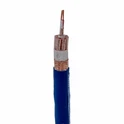
As a household wire supplier, we offer a wide range of high - quality wires to meet your needs. Our Copper Core Polyethylene Insulated Cable is known for its excellent conductivity and durability. We also provide technical support to help you select the right wire for your project.
If you are considering splicing your own wires, we can offer advice on the best practices and the appropriate tools and connectors to use. However, we always emphasize the importance of safety. If you are unsure about any aspect of the splicing process, we recommend consulting a professional electrician.


Conclusion
In conclusion, while it is possible to splice household wires yourself, it is not a decision to be taken lightly. You need to carefully consider your skills, the complexity of the job, and the potential risks. If you have the necessary knowledge and experience, self - splicing can be a cost - effective option. But for more complex or high - risk jobs, it's always better to rely on a professional.
If you are in the market for high - quality household wires, we are here to assist you. Our team of experts can help you choose the right products for your project. Whether you are a DIY enthusiast or a professional electrician, we have the solutions you need. Contact us to start a procurement discussion and find out how we can meet your household wire requirements.
References
- National Electrical Code (NEC) Handbook.
- Electrical Wiring: Residential by Ray C. Mullin and Phil Simmons.