As a household wire supplier, I often get asked whether it's possible to use household wire in a wet location. This is a critical question that requires a comprehensive understanding of electrical safety and the characteristics of different types of wires. In this blog, I'll delve into this topic, exploring the factors at play and providing insights to help you make an informed decision.
Understanding the Risks of Using Household Wire in Wet Locations
Wet locations pose significant risks to electrical systems. Water is a conductor of electricity, and when it comes into contact with live wires, it can create a path for electrical current to flow where it shouldn't. This can lead to short circuits, electrical shocks, and even fires.
Most standard household wires are not designed to withstand the harsh conditions of wet environments. Their insulation may degrade over time when exposed to moisture, increasing the risk of electrical faults. Additionally, water can corrode the metal conductors inside the wire, reducing its conductivity and potentially causing overheating.
Types of Household Wires and Their Suitability for Wet Locations
Let's take a look at some common types of household wires and assess their suitability for wet locations:
3 Core Household Wire
3 Core Household Wire is a popular choice for many household electrical installations. It typically consists of three conductors, which can be used for various electrical circuits. However, standard 3 core household wire is generally not suitable for wet locations. Its insulation is designed for dry or moderately damp environments, and prolonged exposure to water can compromise its integrity.
Copper Core Polyethylene Insulated Cable
Copper Core Polyethylene Insulated Cable offers better resistance to moisture compared to some other types of household wires. Polyethylene is a durable and water-resistant material that provides good insulation. However, even this type of cable may not be sufficient for extremely wet or submerged applications. It's important to check the manufacturer's specifications to determine its suitability for specific wet conditions.
Household Insulated Wire
Household Insulated Wire comes in a variety of forms, with different types of insulation. Some household insulated wires are designed with enhanced moisture resistance, but others are not. It's crucial to carefully examine the product details and consult with an electrician or the wire manufacturer to ensure that the wire is appropriate for use in a wet location.
Alternatives for Wet Locations
If you need to install wiring in a wet location, there are several alternatives to standard household wire that are better suited for the task:

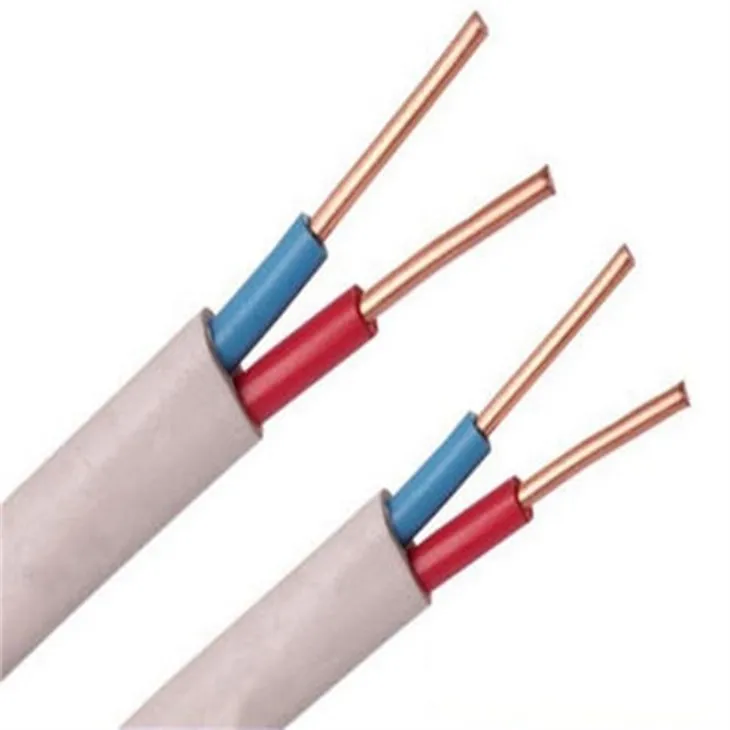
Waterproof and Moisture-Resistant Wires
There are specialized wires available that are specifically designed for wet or damp environments. These wires are constructed with materials that provide superior water resistance and protection against corrosion. They often have additional layers of insulation or a special coating to prevent water from seeping in.
Conduit Systems
Using a conduit system can provide an extra layer of protection for your wiring in wet locations. Conduits are pipes that encase the wires, shielding them from water and other environmental factors. There are different types of conduits available, including metal and PVC, each with its own advantages and applications.
Outdoor and Underground Wires
For outdoor or underground installations, there are wires designed to withstand the elements. These wires are typically more robust and have better resistance to moisture, UV rays, and physical damage.
Factors to Consider When Choosing Wire for a Wet Location
When selecting wire for a wet location, there are several factors to keep in mind:
Environmental Conditions
Consider the specific wet conditions of the location. Is it a mildly damp area, such as a basement or a bathroom, or is it a fully submerged environment, like a swimming pool or a fountain? The level of moisture and the duration of exposure will determine the type of wire you need.
Electrical Load
The electrical load of the circuit is another important factor. Make sure the wire you choose can handle the current without overheating. Consult an electrician to calculate the appropriate wire size based on the load requirements.
Code Compliance
It's essential to comply with local electrical codes and regulations when installing wiring in a wet location. These codes are in place to ensure the safety of the electrical system and the people using it. Check with your local building department or a qualified electrician to ensure that your installation meets all the necessary requirements.
Conclusion
In conclusion, while it may be tempting to use standard household wire in a wet location, it's generally not a good idea due to the significant safety risks involved. Standard household wires are not designed to withstand the harsh conditions of wet environments, and using them can lead to electrical faults, shocks, and fires.
As a household wire supplier, I recommend using specialized waterproof or moisture-resistant wires, conduit systems, or outdoor/underground wires for wet locations. These options provide better protection and ensure the safety and reliability of your electrical system.
If you're unsure about which type of wire to use for your specific wet location, I encourage you to consult with an electrician or contact us for expert advice. We have a wide range of high-quality wires suitable for various applications, and our team of professionals can help you find the right solution for your needs.
If you're interested in purchasing wires for your project, whether it's for a wet location or any other electrical installation, we're here to assist you. Contact us to start a procurement discussion and let us help you find the perfect wire for your requirements.
References
- National Electrical Code (NEC)
- Electrical Safety Foundation International (ESFI)
- Manufacturer's product specifications for household wires