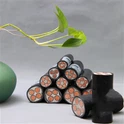
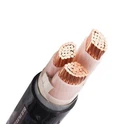
Hey there! As a supplier of Low Voltage YJV Cable, I often get asked if our cables can be used in high - altitude areas. It's a great question, and today, I'm gonna dive deep into this topic to give you a clear answer.
First off, let's talk a bit about what Low Voltage YJV Cable is. Low Voltage YJV Cable is a type of cable that's commonly used in various electrical systems. You can find more details about it on our website Low Voltage YJV Cable. It's known for its good electrical performance, flexibility, and relatively low cost, which makes it a popular choice for many applications.
Now, when we're looking at using these cables in high - altitude areas, we've got to consider a few key factors. High - altitude areas come with their own set of unique environmental conditions, and these can have an impact on the performance of the cables.
One of the most significant factors is the lower air pressure. As you go higher in altitude, the air pressure drops. This lower air pressure can affect the cable's insulation performance. In normal conditions, the insulation in Low Voltage YJV Cable works well to prevent electrical leakage. But at high altitudes, the lower air density means that there's less air to act as an additional insulating layer around the cable. This can potentially increase the risk of partial discharges, which are small electrical discharges that occur within the insulation. If these partial discharges are left unchecked, they can gradually damage the insulation over time, reducing the cable's lifespan and reliability.
Another factor is the temperature. High - altitude areas typically have lower average temperatures compared to low - altitude regions. In some cases, the temperature can drop well below freezing. Low - temperature environments can make the cable's insulation material more brittle. The Low Voltage YJV Cable usually has a certain range of operating temperatures, and if the temperature dips too low, it can cause the insulation to crack. Once the insulation is cracked, it can't effectively protect the conductors inside, leading to short - circuits and other electrical problems.
However, just because these challenges exist doesn't mean that Low Voltage YJV Cable can't be used in high - altitude areas. There are ways to mitigate these issues. For example, we can use special insulating materials that are more resistant to low - temperature and low - pressure conditions. Our 0.6 - 1kv YJV Cable can be customized with upgraded insulation to handle the harsh high - altitude environment. These upgraded materials are designed to maintain their flexibility and insulating properties even in cold and low - pressure situations.
Another solution is to use armoured cables. Armoured cables provide an extra layer of protection. Our Armoured YJV Cable has a metal sheath that not only protects the cable from mechanical damage but also helps in maintaining the integrity of the insulation. In high - altitude areas where there might be more exposure to rocks, ice, and other potential sources of physical damage, the armoured design can be a real lifesaver.
We've also done extensive testing on our cables in simulated high - altitude conditions. In our testing labs, we can replicate the low air pressure, low temperatures, and other environmental factors that are typical of high - altitude areas. Through these tests, we can fine - tune the cable design and materials to ensure that they meet the requirements for high - altitude use.
In addition to the technical aspects, we also provide comprehensive support for our customers. If you're planning to use our Low Voltage YJV Cable in a high - altitude area, we can offer on - site consultations. Our team of experts can visit your project site, assess the specific environmental conditions, and recommend the most suitable cable options for your needs. We can also provide installation guidance to make sure that the cables are installed correctly, which is crucial for their long - term performance.
When it comes to cost - effectiveness, Low Voltage YJV Cable still offers a great advantage even for high - altitude projects. Compared to some other specialized high - altitude cables on the market, our cables are more affordable without sacrificing too much in terms of performance. And with the customization options we offer, you can get exactly what you need at a reasonable price.
So, to sum it up, yes, Low Voltage YJV Cable can be used in high - altitude areas. While there are challenges due to the lower air pressure and cold temperatures, we have the technology and solutions to overcome these issues. We've got the right materials, designs, and testing processes in place to ensure that our cables can perform well in these harsh environments.


If you're interested in our Low Voltage YJV Cable for your high - altitude project, don't hesitate to reach out. We're always here to help you find the best cable solution for your specific needs. Whether it's a small - scale residential project or a large - scale industrial one in the mountains, we've got you covered. Just head over to our website and get in touch with us. We're looking forward to working with you!
References:
- Electrical Engineering Handbook: Covers general knowledge about cable performance and environmental factors.
- Research papers on the impact of high - altitude conditions on electrical cables.