Can Mains Armoured Cable be bent easily?
Hey there! As a supplier of mains armoured cables, I often get asked whether these cables can be bent easily. Well, the answer isn't a straightforward yes or no. It depends on a few factors, and I'm gonna break it down for you in this blog.
First off, let's talk about what mains armoured cable is. It's a type of cable that's designed to carry electrical power in various applications, from industrial settings to residential buildings. The "armoured" part means it has an extra layer of protection, usually made of steel wires or tapes. This armour provides mechanical protection against things like impact, abrasion, and even rodent damage.
Now, when it comes to bending, the armour is both a blessing and a curse. On one hand, it makes the cable more durable and long - lasting. On the other hand, it can make the cable a bit stiffer and harder to bend compared to non - armoured cables.
The bendability of a mains armoured cable is mainly affected by three things: the size of the cable, the type of armour, and the bending radius.
Let's start with the cable size. Generally speaking, smaller cables are easier to bend than larger ones. For example, a 6mm² mains armoured cable will be more flexible than a 50mm² one. The larger the cross - sectional area of the cable, the more conductors it has, and the stiffer it becomes. This is because there are more copper or aluminum wires packed together, along with the armour layer.
The type of armour also plays a crucial role. There are different types of armour, such as steel wire armour (SWA) and steel tape armour (STA). Steel wire armour is made up of individual steel wires wound around the cable. It provides excellent protection but can make the cable quite stiff, especially in larger sizes. Steel tape armour, on the other hand, is a thin strip of steel wrapped around the cable. It's usually more flexible than steel wire armour, but it may not offer the same level of protection in some cases.

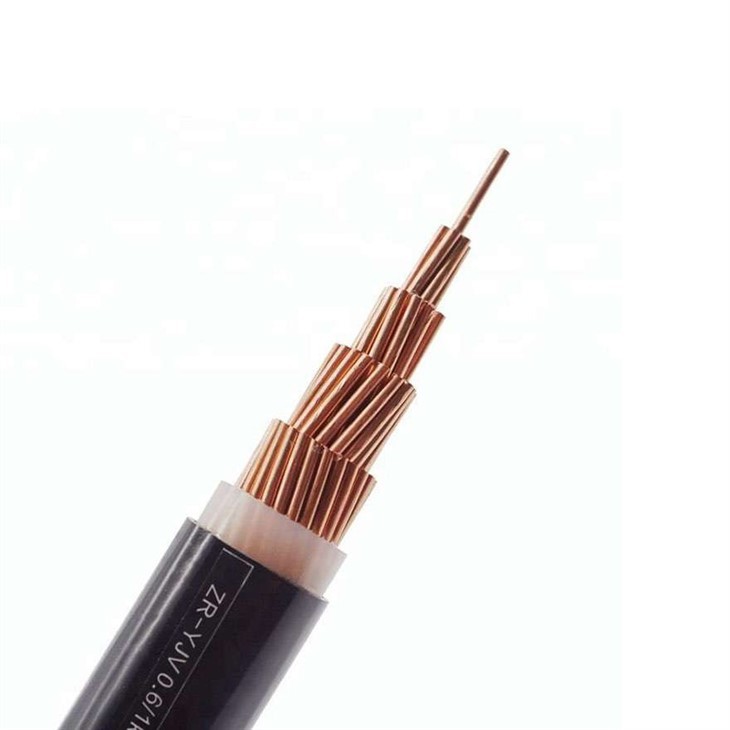
The bending radius is another important factor. The bending radius is the minimum radius at which a cable can be bent without causing damage to the conductors or the insulation. Manufacturers usually specify a minimum bending radius for their cables. If you try to bend the cable at a radius smaller than the recommended one, you risk damaging the cable. This can lead to issues like short circuits, insulation breakdown, and reduced cable lifespan.
For instance, the Yjv22 Power 16mm*5 Armoured Cable has its own set of bending radius requirements. If you follow the manufacturer's guidelines, you can ensure that the cable remains in good condition even after bending.
So, how can you bend a mains armoured cable?
If you need to bend a mains armoured cable, here are some tips. First, make sure you have the right tools. You might need a cable bender for larger cables, especially if they have a steel wire armour. A cable bender will help you achieve the correct bending radius without applying too much force.
Before you start bending, measure the length of cable you need and mark the bending points. This will help you ensure that the bends are in the right place and at the correct angle.
When you're bending the cable, do it slowly and gently. Don't try to force it into a tight bend all at once. Apply even pressure along the length of the bend. If the cable is too stiff, you can try warming it up slightly. However, be careful not to overheat the cable, as this can damage the insulation.
In some cases, you may be able to use a cable lubricant to make the bending process easier. Some lubricants are specifically designed for cables and can reduce friction between the armour and the conductors, making the cable more flexible.
Another option is to use pre - bent sections of cable. These are cables that have been pre - bent at the factory to a specific radius and angle. They can save you a lot of time and effort, especially if you need a complex bend.
Let's take a look at some specific types of mains armoured cables. The Armoured 3 Core Power Cable is commonly used in many applications, such as power distribution in buildings. It usually has a certain level of flexibility, but again, it depends on the size and the type of armour.
The XLPE Insulated Underground Power Cable is designed for underground use. It needs to be able to withstand the stresses of being buried, including bending during installation. XLPE insulation is known for its excellent electrical properties and mechanical strength, but the bending of this cable also requires following the correct procedures.
In conclusion, while mains armoured cables aren't as easy to bend as non - armoured cables, with the right techniques and tools, it is possible to bend them without causing damage. It's important to consider the cable size, type of armour, and bending radius.
If you're in the market for mains armoured cables, we're here to help. We offer a wide range of high - quality cables that meet industry standards. Whether you need a small - sized cable for a residential project or a large - sized cable for an industrial application, we've got you covered. If you have any questions about cable selection, installation, or bending, feel free to reach out. We're always happy to assist you with your cable - related needs and look forward to having discussions about your purchasing requirements.
References
- Electrical Cable Installation Standards: Various industry - recognized standards that provide guidelines on cable bending, installation, and safety.
- Manufacturer's Documentation: Information provided by cable manufacturers regarding the specifications, bendability, and usage of their products.