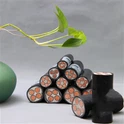
Hey there! As a supplier of PVC Lighting Control Cable, I often get asked if our product can be used in airport lighting. It's a valid question, considering the high - stakes environment of airports. So, let's dive right in and explore this topic.
Understanding PVC Lighting Control Cable
First off, let's talk a bit about what PVC Lighting Control Cable is. PVC, or polyvinyl chloride, is a widely used plastic material. Our PVC Lighting Control Cable is designed to transmit control signals for lighting systems. It's flexible, easy to install, and cost - effective, which makes it a popular choice for many lighting applications.


The cable has a PVC outer sheath that provides good protection against mechanical damage, moisture, and some chemicals. Inside, it has conductors that carry the electrical signals necessary to control the lighting. Whether it's dimming the lights or turning them on and off, this cable is up for the job in most standard lighting setups.
Airport Lighting Requirements
Airport lighting is a whole different ballgame. It has to meet extremely strict safety and performance standards. The lighting systems in airports are crucial for guiding aircraft during takeoff, landing, and taxiing. They need to be reliable 24/7, withstand harsh weather conditions, and be resistant to fire and other hazards.
For example, runway edge lights, approach lights, and taxiway lights all have specific brightness levels and color requirements. These lights must be visible from a long distance, even in poor visibility conditions like fog or heavy rain. Also, the lighting control system has to be fail - safe. A single failure in the lighting control should not lead to a complete blackout of the airport lighting.
Can PVC Lighting Control Cable Cut It?
Now, let's get to the million - dollar question: Can our PVC Lighting Control Cable be used in airport lighting? Well, it depends.
On the plus side, PVC Lighting Control Cable is great for basic signal transmission. It can handle the control signals needed to operate airport lights just fine in theory. Its flexibility makes it easy to route through the complex wiring systems in an airport. And its cost - effectiveness is always a plus, especially for large - scale projects like airports.
However, there are some major drawbacks. One of the biggest issues is fire safety. PVC is a combustible material. In the event of a fire, PVC cables can release toxic fumes and burn relatively easily. This is a huge no - no in an airport environment, where safety is the top priority.
Another concern is durability. Airports are exposed to all kinds of environmental stresses, such as extreme temperatures, high humidity, and UV radiation. Over time, these factors can degrade the PVC outer sheath of the cable, leading to potential signal loss or even electrical shorts.
Alternatives to Consider
If our PVC Lighting Control Cable isn't the best fit for airport lighting, what are the alternatives? That's where Fire Resistant Control Wire comes in. These cables are specifically designed to resist fire. They can maintain their integrity for a certain period of time during a fire, which is crucial for ensuring the continued operation of airport lighting in an emergency situation.
Another option is 4 Core Cy Cable. This type of cable offers better protection against electromagnetic interference (EMI), which can be a problem in an airport environment with a lot of electronic equipment. It also has a more robust construction, making it more suitable for long - term use in harsh conditions.
Case Studies
Let's take a look at a couple of case studies to see how different cables perform in airport lighting.
In one airport project, they initially used a standard PVC Lighting Control Cable. After a few years, they started to notice some issues. The PVC sheath was showing signs of wear and tear, and there were a few instances of signal interference. When they had a minor fire in one of the electrical rooms, the PVC cable released toxic fumes, which was a major safety concern. Eventually, they had to replace the PVC cables with fire - resistant cables.
On the other hand, an airport that used fire - resistant control wires from the start had a much smoother experience. The lighting system remained operational during a small fire incident, and there were no issues with cable degradation over time.
Making the Right Choice
So, if you're involved in an airport lighting project, it's important to carefully weigh your options. While our PVC Lighting Control Cable has its uses, it may not be the best choice for airport lighting due to the strict safety and performance requirements.
However, if you're working on a less - critical lighting project in an airport, like the lighting in the terminal building or a hangar, PVC Lighting Control Cable could still be a viable option. Just make sure to assess the specific needs of the project and consider all the factors.
Contact Us for Your Cable Needs
Whether you're looking for PVC Lighting Control Cable for a standard lighting project or need a more specialized cable like Fire Resistant Control Wire or 4 Core Cy Cable for an airport project, we're here to help. We have a wide range of high - quality cables that can meet your specific requirements.
If you're interested in learning more about our products or want to discuss your cable needs in detail, feel free to reach out. We're always happy to have a chat and find the best solution for you.
References
- Airport Lighting Design Standards Handbook. [Publisher details not provided]
- Electrical Wiring for High - Risk Environments. [Publisher details not provided]
- Fire Safety in Airport Electrical Systems. [Publisher details not provided]