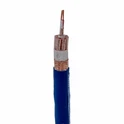
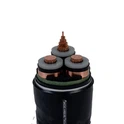
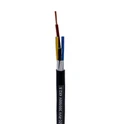
Hey there! As a supplier of Copper Conductor YJV Cable, I've seen firsthand how the cable laying method can have a huge impact on the performance of these cables. In this blog, I'll break down the different laying methods and how they affect the performance of our Copper Conductor YJV Cables.
First off, let's quickly go over what Copper Conductor YJV Cables are. These cables are widely used in electrical systems because they're reliable and can handle a good amount of electrical load. The copper conductor ensures good conductivity, and the YJV insulation provides protection and stability.
Now, onto the different cable laying methods. There are mainly three common ways: direct - burial laying, cable tray laying, and conduit laying.
Direct - Burial Laying
Direct - burial laying is exactly what it sounds like. You dig a trench in the ground and lay the cable right in it. This method is pretty popular because it's relatively simple and cost - effective. But how does it affect the performance of our Copper Conductor YJV Cable?
One of the big advantages is that the ground acts as a natural heat sink. Copper Conductor YJV Cables generate heat when they're in use, and the soil around them helps dissipate this heat. This means the cable can operate at a lower temperature, which is great for its long - term performance. Lower temperatures reduce the risk of insulation degradation, which can lead to electrical failures.
However, there are also some challenges. The soil can be abrasive, and over time, it may wear down the outer sheath of the cable. Moisture in the soil is another concern. If the cable isn't properly protected, moisture can seep in and cause corrosion of the copper conductor. This corrosion can increase the resistance of the cable, leading to power losses and reduced efficiency. To mitigate these issues, we often recommend using cables with a more robust outer sheath, like our Industrial Insulation YJV Cable. This cable has enhanced insulation and protection against environmental factors.
Cable Tray Laying
Cable tray laying involves installing the cables on metal or fiberglass trays. This method is commonly used in industrial and commercial buildings. One of the main benefits is easy access for maintenance. If there's a problem with the cable, it's much easier to reach and inspect compared to direct - burial cables.
In terms of performance, cable tray laying allows for good ventilation around the cables. This helps with heat dissipation, similar to direct - burial laying. Since the cables are exposed in the tray, air can circulate around them, carrying away the heat generated during operation.


But there are some drawbacks too. Cables on trays are more exposed to mechanical damage. They can be accidentally hit by equipment or workers, which can damage the insulation or the conductor. Also, in areas with high dust or debris, the cables can accumulate dirt, which may affect their performance over time. For applications where cable tray laying is preferred, our 4 C 75sqmm Cu AWG Cable is a great choice. It has a durable construction that can withstand some level of mechanical stress.
Conduit Laying
Conduit laying means running the cables through pipes made of metal, plastic, or other materials. This method provides excellent protection for the cables. The conduit shields the cable from physical damage, such as impacts and abrasions. It also offers some protection against environmental factors like moisture and chemicals.
When it comes to performance, the conduit can help maintain a more stable environment for the cable. It can prevent the cable from being exposed to extreme temperature changes, which is beneficial for the insulation. However, one potential issue is that the conduit can restrict heat dissipation. If the conduit is too small or the cables are packed too tightly, heat can build up inside, leading to higher operating temperatures.
To address this, proper sizing of the conduit is crucial. For conduit laying applications, our 16mm 4 Core Xlpe Cable is a suitable option. The XLPE insulation has good heat - resistant properties, which can help deal with any potential heat build - up inside the conduit.
Impact on Electrical Performance
The laying method also has a direct impact on the electrical performance of the Copper Conductor YJV Cable. As mentioned earlier, factors like temperature and corrosion can affect the resistance of the cable. An increase in resistance means more power is lost as heat, which is not only inefficient but can also lead to overheating and potential damage to the cable and connected equipment.
For example, in direct - burial laying, if corrosion occurs due to moisture in the soil, the resistance of the copper conductor will increase. This can cause voltage drops along the cable, which may affect the performance of the electrical devices connected to it. Similarly, in conduit laying, if heat build - up is not properly managed, the insulation may degrade, leading to electrical leakage and safety hazards.
Impact on Mechanical Performance
Mechanical performance is another important aspect. The laying method determines how well the cable can withstand physical stress. In cable tray laying, the cable needs to be able to handle vibrations and potential impacts. Our cables are designed to have a certain level of flexibility and strength to deal with these situations.
In direct - burial laying, the cable has to resist the pressure from the soil and any movement in the ground. A cable with a strong outer sheath is essential to prevent damage. And in conduit laying, the cable should be able to be pulled through the conduit without getting damaged.
Conclusion
In conclusion, the cable laying method has a significant impact on the performance of Copper Conductor YJV Cables. Each method has its own advantages and challenges, and it's important to choose the right one based on the specific application and environment.
As a supplier, we offer a range of high - quality Copper Conductor YJV Cables that are designed to perform well under different laying conditions. Whether you need a cable for direct - burial, cable tray, or conduit laying, we've got you covered.
If you're in the market for Copper Conductor YJV Cables and want to discuss the best laying method for your project, or if you have any questions about our products, don't hesitate to reach out. We're here to help you make the right choice for your electrical needs.
References
- Electrical Wiring Handbook, various editions
- Standards and Guidelines for Cable Installation, industry - specific publications