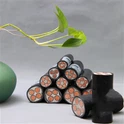
As a supplier of Low Voltage YJV Cables, I've witnessed the growing demand for these cables in various industries. One area that often raises questions among our customers is the performance of Low Voltage YJV Cables in high - altitude areas. In this blog, I'll explore the performance changes of these cables when used in such challenging environments.
1. Basic Understanding of Low Voltage YJV Cables
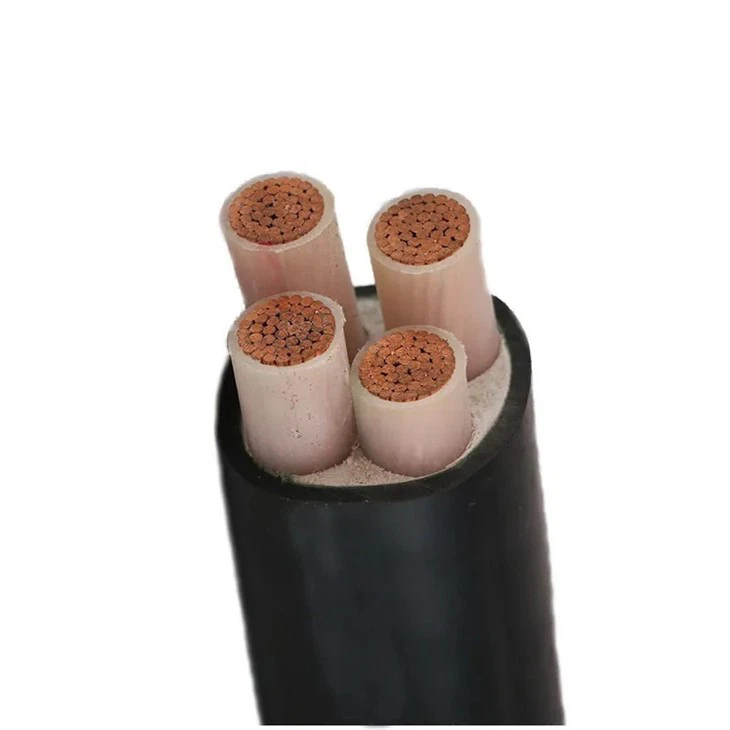
Low Voltage YJV Cables are widely used in power distribution systems. They are known for their excellent electrical performance, flexibility, and relatively long service life. The "YJ" in YJV stands for cross - linked polyethylene insulation, which provides high dielectric strength and good thermal resistance. The "V" represents polyvinyl chloride sheath, which offers mechanical protection and chemical resistance.
These cables are suitable for a variety of applications, from residential to industrial settings. For more specialized needs, we also offer Armoured YJV Cable, which provides additional mechanical protection, and Industrial Insulation YJV Cable, designed for more harsh industrial environments.
2. High - Altitude Environment Characteristics
High - altitude areas have several unique environmental characteristics that can affect the performance of Low Voltage YJV Cables. The most significant factors include lower air pressure, lower temperature, and stronger solar radiation.
-
Lower Air Pressure: As altitude increases, air pressure decreases. This reduction in air pressure can lead to a decrease in the dielectric strength of the air surrounding the cable. In normal conditions, air acts as an additional insulation layer outside the cable sheath. However, at high altitudes, the lower air pressure makes it easier for electrical breakdown to occur, increasing the risk of corona discharge.
-
Lower Temperature: High - altitude areas generally have lower average temperatures, especially at night and during winter. Low temperatures can make the cable insulation and sheath materials more brittle. The polyvinyl chloride sheath, for example, may become less flexible and more prone to cracking under mechanical stress, such as bending or vibration.
-
Stronger Solar Radiation: High - altitude regions often receive more intense solar radiation. Ultraviolet (UV) rays can cause the degradation of the cable sheath material over time. The polyvinyl chloride sheath may experience color fading, surface cracking, and a decrease in its mechanical and electrical properties due to long - term exposure to UV radiation.
3. Electrical Performance Changes
-
Corona Discharge: As mentioned earlier, the lower air pressure at high altitudes reduces the dielectric strength of the air. This means that the voltage at which corona discharge occurs is lower. Corona discharge can cause several problems for Low Voltage YJV Cables. It can generate heat, which can further degrade the cable insulation. The ionization process associated with corona discharge can also produce ozone, a highly reactive gas that can damage the cable insulation materials over time.
-
Insulation Resistance: The insulation resistance of the cable may be affected by the high - altitude environment. The lower temperature can increase the insulation resistance to some extent, but the combined effects of lower air pressure and potential moisture ingress (due to temperature variations) can make the overall situation more complex. In some cases, the insulation resistance may decrease, which could lead to an increase in leakage current.
4. Mechanical Performance Changes
-
Sheath Brittleness: The low temperatures in high - altitude areas can make the polyvinyl chloride sheath of the Low Voltage YJV Cable more brittle. When the cable is installed or maintained, the increased brittleness can lead to sheath cracking. Cracks in the sheath expose the inner insulation layer to the environment, increasing the risk of moisture ingress and subsequent insulation failure.
-
Expansion and Contraction: Temperature variations in high - altitude areas are often more significant than in low - altitude regions. The cable materials will expand and contract with these temperature changes. If the cable is not properly installed or if it does not have enough flexibility to accommodate these changes, internal stresses can build up, which may lead to insulation damage or even cable breakage.
5. Thermal Performance Changes
-
Heat Dissipation: The lower air density at high altitudes affects the heat dissipation of the cable. In normal conditions, air convection plays an important role in carrying away the heat generated by the cable during operation. At high altitudes, the reduced air density means that the convective heat transfer efficiency is lower. As a result, the cable may operate at a higher temperature, which can accelerate the aging of the insulation and sheath materials.
-
Ice and Snow Accumulation: High - altitude areas are more likely to experience ice and snow. Ice and snow accumulation on the cable can increase the mechanical load on the cable, potentially causing it to sag or even break. Moreover, the melting and refreezing process of ice and snow can create moisture, which can penetrate the cable sheath and affect the insulation performance.
6. Mitigation Measures
To ensure the reliable performance of Low Voltage YJV Cables in high - altitude areas, several mitigation measures can be taken.
-
Selecting Appropriate Cables: For high - altitude applications, we recommend using cables with enhanced insulation and sheath materials. Our Cu Xlpe Pvc Swa Cable is a good choice. The cross - linked polyethylene insulation has better thermal and electrical performance compared to traditional insulation materials, and the steel wire armor provides additional mechanical protection against ice and snow loads.
-
Proper Installation: During installation, it is crucial to ensure that the cable has enough slack to accommodate temperature - induced expansion and contraction. The cable should also be installed in a way that minimizes exposure to direct sunlight and reduces the risk of ice and snow accumulation.
-
Regular Maintenance: Regular inspection and maintenance of the cables are essential. This includes checking for sheath cracks, measuring insulation resistance, and removing any ice or snow accumulation.

7. Conclusion and Call to Action
In conclusion, the performance of Low Voltage YJV Cables in high - altitude areas is significantly affected by the unique environmental characteristics of these regions. However, with proper selection, installation, and maintenance, these cables can still provide reliable power transmission.
If you are planning a project in a high - altitude area and need high - quality Low Voltage YJV Cables, we are here to help. Our team of experts can provide you with professional advice on cable selection, installation, and maintenance. Contact us for more information and to start a procurement discussion. We look forward to working with you to ensure the success of your project.
References
- Electrical Power Cable Engineering, Third Edition. By John W. McDonald.
- Handbook of Electrical and Electronic Insulating Materials. Edited by D. C. Sinclair.