


Soil is a complex and diverse natural medium that varies significantly in its physical and chemical properties across different regions. These variations can have a profound impact on the performance and lifespan of underground electrical wires. As a supplier of underground electrical wires, understanding these effects is crucial for providing the best products and advice to our customers.
Physical Properties of Soil and Their Impact
Soil Density
Soil density refers to the mass of soil per unit volume. Dense soils, such as clay, can exert significant pressure on underground electrical wires. This pressure can lead to mechanical stress on the wire insulation, potentially causing cracks or damage over time. When the insulation is compromised, the risk of electrical short - circuits and leaks increases.
For instance, in areas with high - density clay soils, the wire may be subjected to continuous compression. This can gradually wear down the outer protective layer of the wire. To counteract this, we recommend using wires with thicker insulation, such as our Underground Electrical Wire for 100 Amp Service. The thicker insulation provides better resistance to mechanical stress and helps maintain the integrity of the wire in dense soil environments.
Soil Particle Size
The size of soil particles also plays a role. Sandy soils have larger particles with more space between them, allowing for better drainage. On the other hand, silty and clayey soils have smaller particles, which can hold more water and form a more cohesive mass.
In sandy soils, the loose particles can cause abrasion to the wire's outer sheath as the soil shifts due to natural forces like wind or water flow. To address this issue, our 2.0 Awg Copper Underground Wire is designed with a durable outer layer that can withstand abrasion. In contrast, in silty or clayey soils, the high water - holding capacity can lead to waterlogging around the wire. This can accelerate corrosion of the wire's metal components if the wire is not properly protected.
Chemical Properties of Soil and Their Impact
Soil pH
Soil pH is a measure of its acidity or alkalinity. Acidic soils (pH < 7) can be particularly corrosive to metal electrical wires. The hydrogen ions in acidic soils react with the metal in the wire, gradually eating away at it. For example, copper wires in acidic soils may experience a chemical reaction where copper atoms are oxidized and form copper compounds, which can weaken the wire over time.
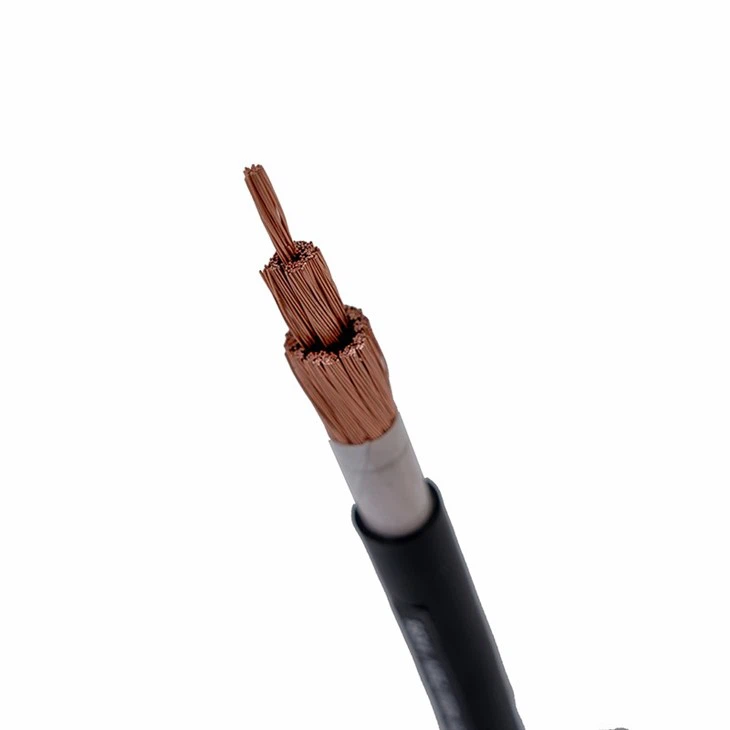
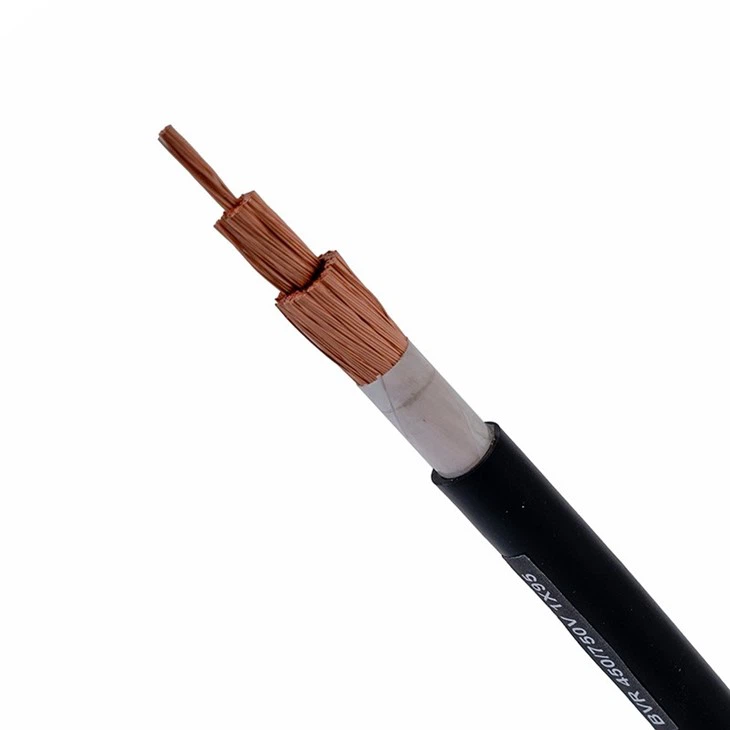
Alkaline soils (pH > 7) can also have a negative impact. They may contain substances like carbonates that can react with the wire's insulation materials, causing them to degrade. Our 2.0 Awg Copper Underground Wire is treated with anti - corrosion coatings that can resist the effects of both acidic and alkaline soils. These coatings act as a barrier, preventing the soil's chemical agents from coming into direct contact with the wire.
Presence of Salts
Soils in coastal areas or regions with high salt content often contain various salts. These salts can increase the conductivity of the soil and accelerate the corrosion process. When the wire is in contact with salty soil, an electrochemical reaction occurs, where the metal in the wire acts as an anode and corrodes.
To prevent this, we offer underground electrical wires with specialized anti - salt corrosion protection. These wires are coated with materials that can repel salts and prevent them from reaching the metal core. This ensures that the wire remains functional and safe for a longer period, even in salt - rich soil environments.
Moisture Content in Soil
Moisture is one of the most critical factors affecting underground electrical wires. High moisture content in soil can lead to several problems. Firstly, it can cause the wire's insulation to absorb water, which reduces its insulating properties. This can result in electrical leakage and an increased risk of electrical shock.
Secondly, water in the soil can facilitate the movement of chemical agents, such as salts and acids, towards the wire. This further accelerates the corrosion process. In areas with high groundwater levels or heavy rainfall, it is essential to use wires with excellent waterproofing capabilities. Our underground electrical wires are designed with multiple layers of waterproof insulation to protect the wire from moisture damage.
Thermal Properties of Soil
Soil can act as a heat sink or source for underground electrical wires. The temperature of the soil can affect the wire's performance. In hot climates, the soil can absorb heat from the wire, which can cause the wire to overheat. Overheating can reduce the wire's conductivity and damage its insulation.
Conversely, in cold climates, the soil can conduct heat away from the wire, which may cause the wire to become brittle. This can lead to cracking of the insulation and expose the wire to electrical hazards. To address these thermal issues, our wires are designed to operate within a wide temperature range. They can withstand both high - and low - temperature environments without significant performance degradation.
Conclusion
In conclusion, soil type has a comprehensive and far - reaching impact on underground electrical wires. The physical, chemical, moisture, and thermal properties of the soil all need to be considered when selecting the appropriate underground electrical wire. As a supplier of underground electrical wires, we are committed to providing high - quality products that can withstand the challenges posed by different soil types.
If you are planning an underground electrical wiring project, it is essential to assess the soil conditions at the installation site. Our team of experts can provide you with professional advice on selecting the most suitable underground electrical wire for your specific soil environment. Whether you need Underground Electrical Wire for 100 Amp Service or 2.0 Awg Copper Underground Wire, we have the right solution for you. Contact us today to discuss your requirements and start your procurement process. We look forward to partnering with you to ensure the success of your electrical projects.
References
- Brady, N. C., & Weil, R. R. (2008). The Nature and Properties of Soils. Pearson Prentice Hall.
- National Electrical Code (NEC). (2020). National Fire Protection Association.
- IEEE Standard for Electrical Installations and Equipment for Generating Stations, Substations, and Industrial Plants. (2018). Institute of Electrical and Electronics Engineers.


