


Cleaning electrical wires is a crucial maintenance task that ensures their optimal performance and longevity. As a trusted supplier of high-quality electrical wires, including Hookup Wire 450V Cable, Hookup Wire 240 Volt Wire, and Electric Insulated 300 - 500V Cable, we understand the importance of proper wire care. In this blog post, we'll explore the best practices for cleaning electrical wires, ensuring they remain in top - notch condition.
Why Clean Electrical Wires?
Over time, electrical wires can accumulate dust, dirt, grease, and other contaminants. These substances can pose several risks. Firstly, they can act as insulators, causing the wires to overheat. Overheating is a significant fire hazard and can also lead to premature wire degradation. Secondly, dirt and moisture can corrode the wire's outer insulation and even the conductive material inside, which may result in short circuits, power outages, and equipment damage. By regularly cleaning your electrical wires, you can prevent these issues and extend the lifespan of your wiring system.
Safety First
Before you start cleaning electrical wires, safety should be your top priority. Always turn off the power supply to the wires you are about to clean. Use a voltage tester to confirm that there is no electrical current flowing through the wires. Wear appropriate personal protective equipment (PPE), such as insulated gloves and safety glasses, to protect yourself from potential electrical shocks and debris.
Tools and Materials Needed
- Soft Bristle Brush: A soft - bristle brush, like a paintbrush or a toothbrush, is ideal for gently removing loose dirt and dust from the wire's surface.
- Lint - Free Cloths: These are used for wiping down the wires after brushing. Microfiber cloths work well as they don't leave behind lint.
- Mild Detergent: A mild, non - abrasive detergent can be used to clean stubborn dirt and grease. Make sure it is suitable for use on electrical components.
- Distilled Water: Tap water may contain minerals that can leave deposits on the wires. Distilled water is a better choice for cleaning.
- Isopropyl Alcohol: For more thorough cleaning, especially when dealing with sticky residues or contaminants that are difficult to remove with water and detergent, isopropyl alcohol can be used. However, use it sparingly and ensure proper ventilation as it is flammable.
Step - by - Step Cleaning Process
1. Visual Inspection
Before cleaning, visually inspect the wires for any signs of damage, such as cuts, frays, or bulges in the insulation. If you notice any damage, it is advisable to replace the wire rather than attempting to clean it. Damaged wires can be extremely dangerous and may not function properly even after cleaning.

2. Dust and Loose Debris Removal
Use a soft - bristle brush to gently brush away dust and loose debris from the surface of the wires. Start from one end of the wire and work your way to the other, using light, sweeping motions. Be careful not to apply too much pressure, as this could damage the wire's insulation.
3. Cleaning Solution Preparation
If the wires are dirty or greasy, prepare a cleaning solution by mixing a small amount of mild detergent with distilled water. The ratio should be about one part detergent to ten parts water. Stir the solution gently until the detergent is fully dissolved.
4. Wiping the Wires
Dip a lint - free cloth into the cleaning solution and wring it out thoroughly so that it is damp but not dripping. Gently wipe the wires with the damp cloth, following the length of the wire. Pay special attention to areas with visible dirt or stains. For hard - to - reach areas, you can use a cotton swab dipped in the cleaning solution.
5. Rinsing
After wiping the wires with the cleaning solution, dampen another lint - free cloth with distilled water and use it to rinse off the detergent residue. Make sure to remove all traces of the detergent, as it can attract more dirt over time.
6. Drying
Use a dry lint - free cloth to dry the wires completely. Ensure that there is no moisture left on the wires, as this can lead to corrosion. If necessary, you can use a hair dryer on a low, cool setting to speed up the drying process. Keep the hair dryer at a safe distance from the wires to avoid overheating.
7. Using Isopropyl Alcohol (Optional)
If there are still stubborn residues on the wires after the above steps, you can use isopropyl alcohol. Dampen a lint - free cloth with a small amount of isopropyl alcohol and gently rub the affected areas. However, as mentioned earlier, isopropyl alcohol is flammable, so use it in a well - ventilated area and away from open flames or heat sources.
Special Considerations for Different Types of Wires
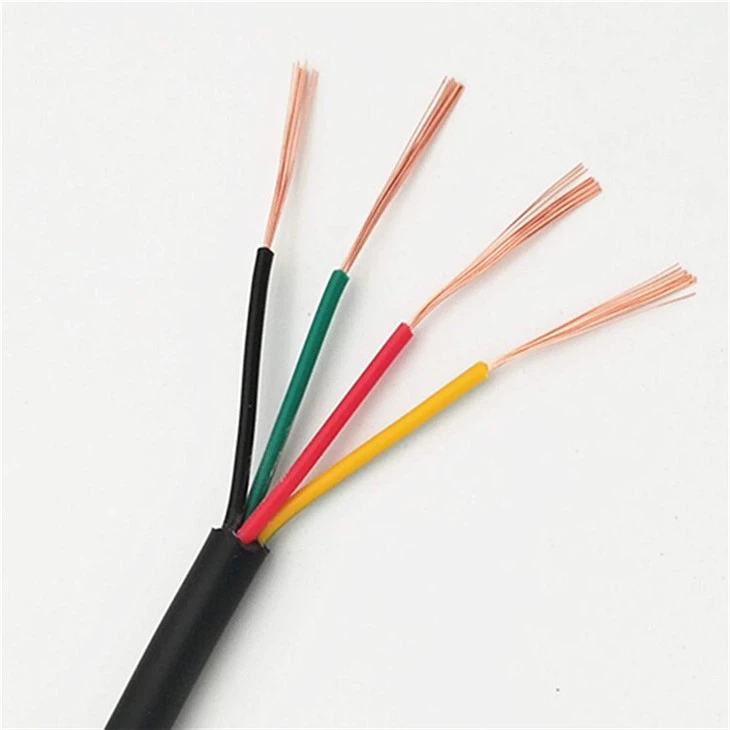
- Hookup Wires: Hookup wires, such as Hookup Wire 450V Cable and Hookup Wire 240 Volt Wire, are often used in low - voltage applications and are relatively thin. When cleaning them, be extra careful not to damage the insulation. The gentle cleaning methods described above are particularly important for these types of wires.
- Insulated Cables: For Electric Insulated 300 - 500V Cable, the insulation provides an additional layer of protection. However, it is still essential to clean the insulation surface to prevent dirt and moisture from seeping in and causing damage to the conductive core.
Regular Maintenance
Cleaning electrical wires should be part of your regular maintenance routine. The frequency of cleaning depends on the environment in which the wires are located. In a clean, dry environment, cleaning once or twice a year may be sufficient. However, in a dirty, dusty, or humid environment, more frequent cleaning may be required.
Conclusion
Properly cleaning and maintaining your electrical wires is essential for ensuring their safety and performance. By following the steps and guidelines outlined in this blog post, you can keep your electrical wires in excellent condition. As a leading supplier of electrical wires, we are committed to providing you with high - quality products and the knowledge to take care of them.
If you are in the market for new electrical wires or have any questions about wire cleaning and maintenance, we encourage you to reach out to us. Our team of experts is ready to assist you in finding the right products for your needs and providing you with further advice on wire care.
References
- Electrical Wiring Handbook, 18th Edition
- National Electrical Code (NEC)
- Safety Standards for Electrical Equipment Maintenance


