Can PVC lighting control cable be used in high - rise buildings?
As a supplier of PVC lighting control cables, I often encounter questions from customers regarding the suitability of our products for high - rise buildings. In this blog, I will delve into the technical aspects, safety considerations, and regulatory requirements to provide a comprehensive answer to the question: Can PVC lighting control cable be used in high - rise buildings?
Technical Characteristics of PVC Lighting Control Cables
PVC (Polyvinyl Chloride) is a widely used material in the cable industry due to its excellent electrical insulation properties. PVC lighting control cables are designed to transmit low - voltage signals for controlling lighting systems. They typically have a relatively small cross - sectional area and are flexible, making them easy to install in various building environments.
The insulation provided by PVC helps to prevent electrical leakage and short - circuits, which are crucial for the safe operation of lighting control systems. Additionally, PVC has good resistance to abrasion and chemicals, which can protect the cable from damage during installation and long - term use.
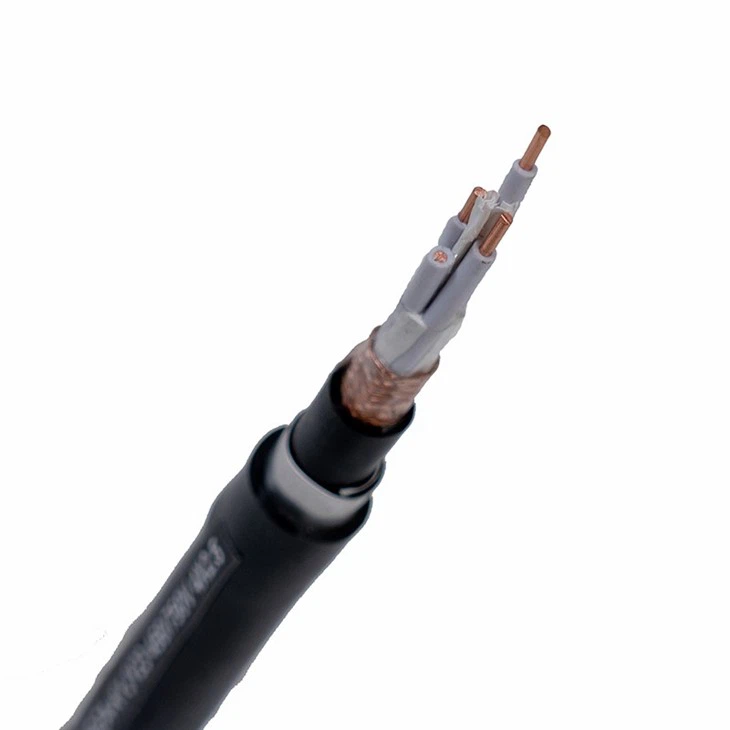
For example, our Lighting Control Cable 2.5 Sy Cable is made with high - quality PVC insulation. It is capable of withstanding normal operating temperatures in building environments and can effectively transmit control signals to ensure the proper functioning of lighting fixtures.

Safety Considerations in High - Rise Buildings
Safety is of utmost importance in high - rise buildings. When it comes to using PVC lighting control cables, several safety factors need to be considered.
One of the main concerns is fire safety. PVC is a combustible material, and when exposed to high temperatures or flames, it can release toxic gases such as hydrogen chloride. In high - rise buildings, the spread of fire and the release of toxic gases can pose a significant threat to the lives and safety of occupants. However, modern PVC cables are often treated with flame - retardant additives to reduce their flammability.
Our 4 Core Cy Cable is designed with flame - retardant PVC insulation. These cables are tested to meet strict fire safety standards, which means they have a lower risk of contributing to the spread of fire and can help to contain the fire within a limited area in case of an emergency.
Another safety aspect is the mechanical strength of the cables. High - rise buildings may experience more vibrations and movements due to factors such as wind and seismic activity. The cables need to be able to withstand these mechanical stresses without breaking or losing their electrical properties. PVC cables are generally flexible and can adapt to some degree of movement, but proper installation and support are essential to ensure their long - term reliability.
Regulatory Requirements
High - rise buildings are subject to strict building codes and regulations, which often include specific requirements for electrical systems and cables. These regulations are in place to ensure the safety and functionality of the building.
In many regions, cables used in high - rise buildings must meet certain fire performance standards, such as low - smoke, zero - halogen (LSZH) requirements. LSZH cables are designed to produce less smoke and toxic gases when burned, which is crucial for the evacuation of occupants in case of a fire. While traditional PVC cables may not meet LSZH standards, there are PVC - based cables available that are formulated to have reduced smoke and halogen emissions.
Our PVC Insulated Control Cable is available in different specifications, some of which are designed to meet the LSZH requirements. By choosing the appropriate cable that complies with local regulations, building owners and contractors can ensure that their lighting control systems are installed in accordance with the law.
Advantages of Using PVC Lighting Control Cables in High - Rise Buildings
Despite the safety concerns, there are several advantages to using PVC lighting control cables in high - rise buildings.
Cost - effectiveness is one of the main advantages. PVC cables are generally less expensive than some other types of cables, such as those with fluoropolymer insulation. This can result in significant cost savings for large - scale high - rise building projects.
Ease of installation is another benefit. PVC cables are flexible and lightweight, which makes them easier to handle and install compared to heavier and stiffer cables. This can reduce the installation time and labor costs, especially in complex high - rise building layouts.
In addition, PVC cables are widely available in the market, which means that replacement parts and additional cables can be easily sourced in case of future maintenance or expansion needs.
Conclusion
In conclusion, PVC lighting control cables can be used in high - rise buildings, but it is essential to choose the right type of cable that meets the necessary safety and regulatory requirements. By selecting cables with flame - retardant additives and, if required, low - smoke and zero - halogen properties, the risks associated with using PVC cables can be effectively mitigated.
As a supplier of PVC lighting control cables, we are committed to providing high - quality products that meet the highest standards of safety and performance. If you are involved in a high - rise building project and are considering using PVC lighting control cables, I encourage you to contact us for more information and to discuss your specific requirements. We can help you select the most suitable cable for your project and ensure that it complies with all relevant regulations.
References
- Electrical Installation Regulations in High - Rise Buildings, Local Building Code Authorities
- Technical Specifications of PVC Cables, Cable Manufacturers' Databases
- Fire Safety Standards for Building Cables, International Fire Safety Organizations