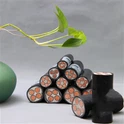
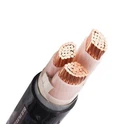
As a supplier of 0.6 - 1kv YJV cables, I understand the critical importance of ensuring the safety of these cables during installation. A proper installation not only guarantees the cable's long - term performance but also significantly reduces the risk of electrical hazards. In this blog, I will share some essential tips and best practices to ensure the safety of 0.6 - 1kv YJV cables during installation.
Pre - installation Preparation
Cable Inspection
Before installation, a thorough inspection of the cables is necessary. Check for any visible damage on the cable sheath, such as cuts, abrasions, or punctures. These damages can compromise the insulation and lead to electrical leakage or short - circuits. Also, verify the cable's specifications, including its cross - sectional area, rated voltage, and length, to ensure they meet the project requirements. For instance, if you need a 1x150 Xlpe Yjv Cable, make sure the cable delivered matches this exact specification.
Site Assessment
Conduct a detailed assessment of the installation site. Identify potential hazards such as sharp edges, high - temperature areas, or areas prone to mechanical damage. For example, if the cable is to be installed in an industrial environment with heavy machinery, there is a risk of the cable being crushed or cut. In such cases, appropriate protective measures should be planned in advance. Also, consider the environmental conditions, such as humidity and temperature, as these can affect the cable's performance and lifespan.
Tool and Equipment Check
Ensure that all the tools and equipment required for the installation are in good working condition. This includes cable cutters, crimping tools, and testing equipment. Faulty tools can cause improper cable terminations or inaccurate testing results, which may lead to safety issues in the future.
Installation Process
Cable Routing
Proper cable routing is crucial for safety. Avoid routing the cable near sources of heat, such as boilers or furnaces, as high temperatures can degrade the cable insulation. Also, keep the cable away from sharp edges and corners that could damage the cable sheath. When routing multiple cables, maintain proper spacing between them to prevent overheating due to mutual heating effects. For example, if you are installing 6 mm Cable Single Core Xlpe, make sure it is routed separately from other cables to avoid interference.
Cable Support
Use appropriate cable supports to prevent sagging and excessive tension on the cable. Cable trays, conduits, and hangers should be installed at regular intervals to ensure the cable is properly supported. The supports should be strong enough to withstand the weight of the cable and any external forces that may act on it. For example, in a vertical installation, the cable supports should be able to hold the cable's weight without causing it to stretch or break.
Cable Termination
Cable termination is a critical step in the installation process. Improper terminations can lead to high - resistance connections, which can generate heat and cause electrical failures. Follow the manufacturer's instructions carefully when terminating the cable. Use high - quality termination accessories, such as cable lugs and insulation tape. Make sure the connections are tight and secure, and the insulation is properly restored after termination.
Safety Measures during Installation
Personal Protective Equipment (PPE)
All personnel involved in the installation should wear appropriate PPE, including safety helmets, gloves, and safety glasses. PPE can protect workers from potential injuries, such as cuts, burns, and electrical shocks. For example, when handling live cables, insulated gloves are essential to prevent electrical contact.
Electrical Safety
Before starting the installation, ensure that the power supply to the area is switched off and locked out. This is to prevent accidental energization of the cable during installation. Use a voltage tester to verify that the cable is de - energized before working on it. After the installation is complete, conduct a thorough electrical test to ensure that the cable is functioning properly and there are no electrical faults.


Fire Safety
Have fire - extinguishing equipment readily available at the installation site. In case of a fire caused by electrical faults, the fire - extinguishing equipment can be used to control the fire quickly. Also, avoid using flammable materials near the cable installation area.
Post - installation Testing
Insulation Resistance Test
Conduct an insulation resistance test on the cable after installation. This test measures the resistance of the cable insulation to electrical current. A low insulation resistance value may indicate a problem with the cable insulation, such as moisture ingress or damage. The test should be carried out using a megohmmeter, and the results should be compared with the manufacturer's specifications.
Continuity Test
Perform a continuity test to ensure that the cable conductors are continuous and there are no breaks or open circuits. This test is important to verify that the electrical current can flow freely through the cable. A continuity tester can be used to perform this test.
Dielectric Withstand Test
The dielectric withstand test is used to check the cable's ability to withstand high - voltage stress without breaking down. This test is usually carried out at a higher voltage than the cable's rated voltage for a specified period. If the cable passes this test, it indicates that the cable insulation is in good condition.
Maintenance and Monitoring
Regular Inspections
After the cable is installed, conduct regular inspections to check for any signs of damage or deterioration. Inspect the cable sheath for cracks, abrasions, or swelling. Check the cable terminations for signs of overheating, such as discoloration or loose connections. Regular inspections can help detect problems early and prevent potential safety hazards.
Temperature Monitoring
Monitor the cable temperature during operation. High cable temperatures can indicate overloading or poor electrical connections. Temperature sensors can be installed on the cable to continuously monitor its temperature. If the cable temperature exceeds the recommended limit, appropriate measures should be taken, such as reducing the load or checking the connections.
Record - keeping
Keep detailed records of the cable installation, testing, and maintenance activities. These records can be used for future reference and to track the cable's performance over time. They can also be useful in case of any safety investigations or compliance audits.
In conclusion, ensuring the safety of 0.6 - 1kv YJV cables during installation requires careful planning, proper installation techniques, and strict adherence to safety procedures. By following the tips and best practices outlined in this blog, you can minimize the risk of electrical hazards and ensure the long - term performance of the cables. If you are in need of high - quality 0.6 - 1kv YJV cables or have any questions about cable installation and safety, feel free to contact us for further discussion and procurement opportunities.
References
- Electrical Installation Guide for Low - Voltage Cables, Industry Standard Publication
- Cable Manufacturer's Installation and Maintenance Manuals