


As a trusted supplier of outdoor electrical cables, I've witnessed firsthand the challenges posed by UV rays to these vital components. UV radiation can cause significant damage to outdoor electrical cables over time, leading to reduced performance, increased safety risks, and ultimately, costly replacements. In this blog post, I'll share some practical strategies to protect outdoor electrical cables from the harmful effects of UV rays, drawing on my experience in the industry and the latest research.

Understanding the Impact of UV Rays on Outdoor Electrical Cables
Before delving into protective measures, it's essential to understand how UV rays affect outdoor electrical cables. UV radiation is a form of electromagnetic radiation with wavelengths shorter than visible light. When UV rays interact with the materials used in cable insulation and jackets, they can initiate a process known as photodegradation.
Photodegradation occurs when the energy from UV rays breaks the chemical bonds in the polymer materials of the cable. This leads to a range of physical and chemical changes, including:
- Cracking and Brittleness: The breakdown of polymer chains weakens the material, making it more prone to cracking and becoming brittle. This can expose the inner conductors, increasing the risk of electrical shorts and fires.
- Color Fading: UV rays can cause the color of the cable jacket to fade, which may not only affect the aesthetic appeal but also indicate underlying material degradation.
- Reduced Insulation Resistance: As the insulation material deteriorates, its ability to resist the flow of electric current decreases. This can lead to leakage currents, power losses, and potential safety hazards.
Choosing the Right Cable for UV Exposure
One of the most effective ways to protect outdoor electrical cables from UV rays is to choose cables specifically designed for outdoor use and UV resistance. When selecting cables, consider the following factors:
- UV-Resistant Materials: Look for cables with jackets made from UV-resistant materials such as polyethylene (PE), polyvinyl chloride (PVC), or cross-linked polyethylene (XLPE). These materials have inherent resistance to UV radiation and can withstand prolonged exposure without significant degradation.
- UV Rating: Some cables are rated for UV resistance based on industry standards. For example, the International Electrotechnical Commission (IEC) has standards for the UV resistance of cables used in outdoor applications. Check the cable specifications for the UV rating to ensure it meets your requirements.
- Cable Construction: The construction of the cable can also affect its UV resistance. For example, cables with multiple layers of insulation and jackets may provide better protection against UV rays than single-layer cables.
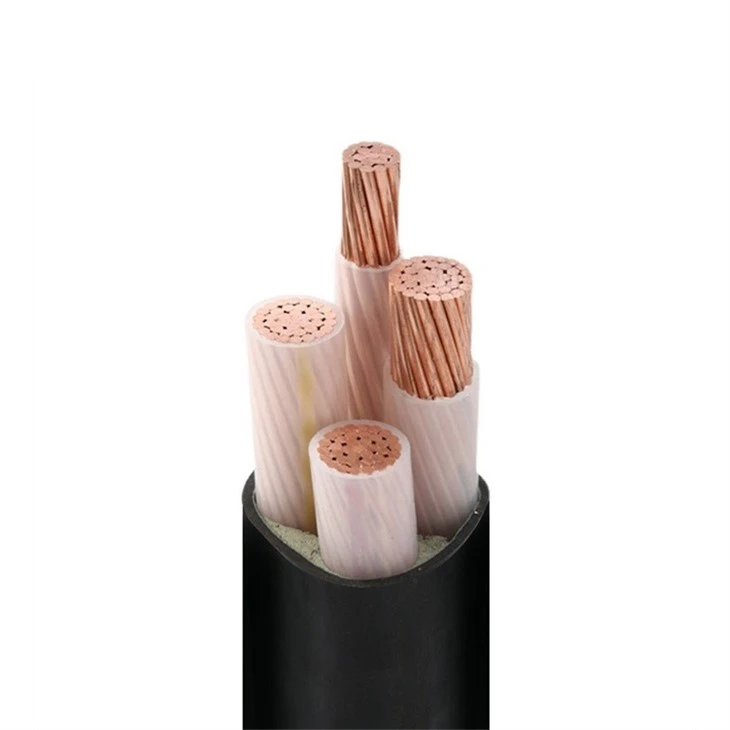
As an outdoor electrical cable supplier, I offer a range of UV-resistant cables, including 0.6/kv 5 Core 25 Mm2 Flexible Cable, Halogen-free Multi-core Copper Cable, and 120mm Xlpe Cable. These cables are designed to withstand harsh outdoor environments and provide reliable performance over an extended period.
Installation and Routing Considerations
Proper installation and routing of outdoor electrical cables can also play a crucial role in protecting them from UV rays. Here are some tips to keep in mind:
- Avoid Direct Sunlight: Whenever possible, route cables in shaded areas or use cable trays, conduits, or raceways to provide physical protection from UV rays. If direct sunlight cannot be avoided, consider using UV-rated cable covers or sleeves to provide an additional layer of protection.
- Proper Support: Ensure that cables are properly supported to prevent sagging or tension, which can stress the cable jacket and increase the risk of damage. Use cable hangers, clamps, or brackets at regular intervals to support the cables.
- Minimize Bends and Kinks: Avoid sharp bends or kinks in the cable, as these can create stress points and increase the likelihood of damage. Follow the manufacturer's recommendations for the minimum bend radius of the cable.
- Separate Cables: Keep different types of cables separated to prevent interference and reduce the risk of damage. Use cable ties or separators to organize and secure the cables.
Regular Inspection and Maintenance
Regular inspection and maintenance of outdoor electrical cables are essential to detect and address any signs of UV damage early. Here are some steps to include in your inspection and maintenance routine:
- Visual Inspection: Conduct regular visual inspections of the cables to check for signs of cracking, brittleness, color fading, or other damage. Pay particular attention to areas exposed to direct sunlight or harsh environmental conditions.
- Insulation Resistance Testing: Periodically test the insulation resistance of the cables to ensure that they are still providing adequate electrical insulation. A decrease in insulation resistance may indicate damage to the insulation material.
- Cleaning: Keep the cables clean and free of dirt, debris, and other contaminants. Use a mild detergent and water to clean the cable jackets, and avoid using abrasive cleaners or solvents that may damage the material.
- Repair or Replacement: If any damage is detected during the inspection, repair or replace the affected cables immediately. Do not attempt to use damaged cables, as this can pose a significant safety risk.
Additional Protective Measures
In addition to the above strategies, there are several other protective measures that can be taken to enhance the UV resistance of outdoor electrical cables:
- UV-Resistant Coatings: Apply a UV-resistant coating to the cable jackets to provide an additional layer of protection against UV rays. These coatings are typically made from polymers or other materials that absorb or reflect UV radiation.
- Cable Covers and Sleeves: Use UV-rated cable covers or sleeves to protect the cables from direct sunlight. These covers and sleeves are available in a variety of materials and sizes and can be easily installed over the existing cables.
- Overhead Shielding: In some cases, it may be necessary to install overhead shielding, such as awnings or canopies, to protect the cables from direct sunlight. This can be particularly effective in areas where the cables are exposed to intense sunlight for extended periods.
Conclusion
Protecting outdoor electrical cables from UV rays is essential to ensure their long-term performance and safety. By choosing the right cable, following proper installation and routing practices, conducting regular inspections and maintenance, and implementing additional protective measures, you can significantly reduce the risk of UV damage and extend the lifespan of your cables.
As an outdoor electrical cable supplier, I'm committed to providing high-quality, UV-resistant cables and expert advice to help you protect your electrical systems from the harmful effects of UV rays. If you have any questions or need assistance in selecting the right cable for your application, please don't hesitate to contact me. I look forward to working with you to ensure the reliability and safety of your outdoor electrical installations.
References
- International Electrotechnical Commission (IEC). (Year). Standards for UV resistance of cables used in outdoor applications.
- Manufacturer's specifications for outdoor electrical cables.
- Industry research on the effects of UV radiation on electrical cable materials.


