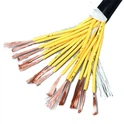
Stripping the insulation from common house wire is a fundamental skill for anyone involved in electrical work, whether you're a professional electrician, a DIY enthusiast, or simply need to make a quick repair around the house. As a supplier of Common House Wire, I understand the importance of this process and the need for a safe and efficient method. In this blog post, I'll share some tips and techniques on how to strip the insulation from common house wire effectively.
Understanding Common House Wire
Before we dive into the stripping process, it's essential to understand the different types of common house wire available. Household Insulated Wire comes in various sizes and configurations, each designed for specific applications. The most common types include:
- Solid Wire: This type of wire consists of a single, solid conductor and is typically used for permanent wiring installations. Solid wire is available in different gauges, with smaller numbers indicating thicker wire.
- Stranded Wire: Stranded wire is made up of multiple thin strands of conductor twisted together. It is more flexible than solid wire and is often used in applications where flexibility is required, such as in appliances and electronics.
- 3 Core Household Wire: As the name suggests, 3 core household wire contains three conductors, typically used for powering appliances and lighting circuits.
Tools Required
To strip the insulation from common house wire, you'll need the following tools:
- Wire Strippers: Wire strippers are specifically designed for removing insulation from wire. They come in different sizes and styles, so choose one that is appropriate for the gauge of wire you're working with.
- Utility Knife: A utility knife can be used as an alternative to wire strippers, especially for larger gauge wires or when you don't have wire strippers on hand. However, using a utility knife requires more skill and caution to avoid cutting the conductor.
- Safety Glasses: Safety glasses are essential to protect your eyes from any flying debris or sharp edges during the stripping process.
- Gloves: Wearing gloves can help protect your hands from cuts and burns when handling wire and tools.
Step-by-Step Guide to Stripping Insulation
Now that you have the necessary tools, let's walk through the step-by-step process of stripping the insulation from common house wire:
Step 1: Choose the Right Wire Stripper
Select a wire stripper that is appropriate for the gauge of wire you're working with. Most wire strippers have markings indicating the wire gauges they can handle. If you're unsure, start with a larger gauge setting and adjust as needed.
Step 2: Prepare the Wire
Before stripping the insulation, make sure the wire is clean and free of any dirt or debris. You can use a clean cloth or a wire brush to remove any contaminants.
Step 3: Measure the Stripping Length
Determine the length of insulation you need to remove. This will depend on the application and the type of connection you're making. For most electrical connections, a stripping length of 1/2 to 3/4 inch is sufficient.
Step 4: Position the Wire in the Stripper
Open the wire stripper jaws and insert the wire into the appropriate hole for the gauge of wire you're working with. Make sure the wire is centered in the hole and that the stripper jaws are closed firmly around the wire.
Step 5: Strip the Insulation
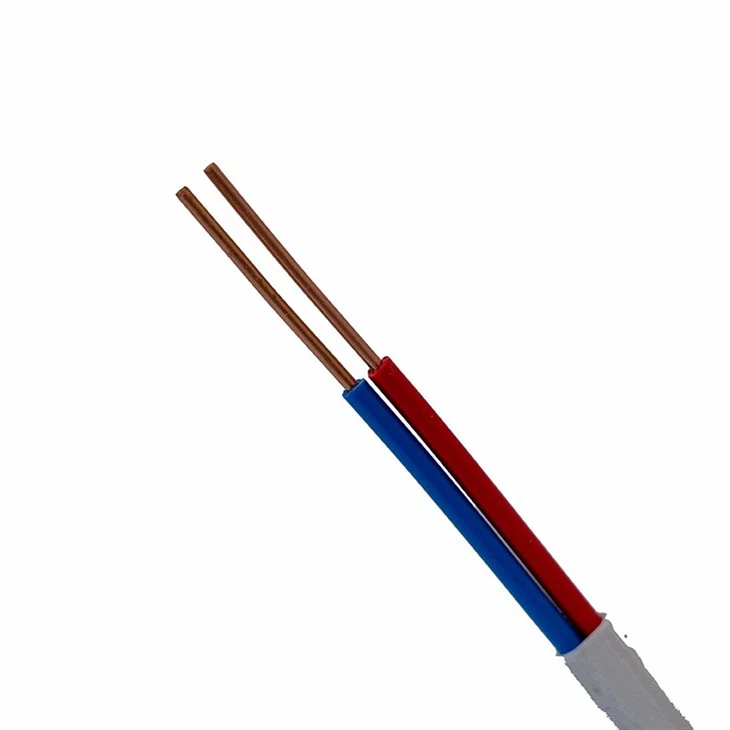
Squeeze the handles of the wire stripper firmly to cut through the insulation. Hold the wire stripper steady and pull the wire out of the stripper, leaving the insulation behind. The insulation should come off in one piece, exposing the bare conductor.
Step 6: Inspect the Stripped Wire
After stripping the insulation, inspect the bare conductor to make sure it is clean and free of any nicks or cuts. If you notice any damage, trim the wire back to a clean section and repeat the stripping process.

Step 7: Repeat the Process
If you need to strip multiple wires, repeat the process for each wire, making sure to use the appropriate gauge setting on the wire stripper.
Tips and Tricks
Here are some additional tips and tricks to help you strip the insulation from common house wire safely and effectively:
- Use the Right Technique: When using wire strippers, make sure to apply even pressure and pull the wire straight out of the stripper. Avoid twisting or bending the wire, as this can damage the conductor.
- Be Careful with Utility Knives: If you're using a utility knife to strip the insulation, use a sharp blade and make a shallow cut around the circumference of the wire. Then, carefully peel the insulation away from the conductor, taking care not to cut the conductor.
- Practice on Scrap Wire: If you're new to stripping wire, it's a good idea to practice on scrap wire first to get a feel for the process and to familiarize yourself with the tools.
- Keep Your Tools Clean and Sharp: Regularly clean and sharpen your wire strippers and utility knives to ensure they are in good working condition. Dull tools can make the stripping process more difficult and increase the risk of damaging the wire.
Safety Precautions
Stripping the insulation from common house wire involves working with electricity, so it's important to take the following safety precautions:
- Turn Off the Power: Before working on any electrical wiring, make sure the power is turned off at the circuit breaker or fuse box. This will help prevent electrical shock and reduce the risk of fire.
- Use Insulated Tools: Always use insulated tools when working with electrical wiring to prevent electrical shock. Insulated tools have a non-conductive coating that helps protect you from electrical current.
- Wear Safety Gear: Wear safety glasses and gloves to protect your eyes and hands from cuts, burns, and electrical shock.
- Follow Electrical Codes and Regulations: Make sure you follow all local electrical codes and regulations when working with electrical wiring. This will help ensure that your electrical installations are safe and compliant.
Conclusion
Stripping the insulation from common house wire is a simple yet essential skill for anyone involved in electrical work. By following the steps outlined in this blog post and using the right tools and techniques, you can strip the insulation from wire safely and effectively. Remember to always take the necessary safety precautions and to follow all local electrical codes and regulations.
If you're in the market for high-quality Common House Wire, Household Insulated Wire, or 3 Core Household Wire, we're here to help. Our extensive range of electrical wiring products is designed to meet the needs of residential, commercial, and industrial applications. Contact us today to discuss your wiring requirements and to learn more about our products and services.
References
- National Electrical Code (NEC)
- Electrical Wiring Handbook
- Wire Stripping Techniques and Best Practices