Hey there! As a supplier of common house wire, I've seen firsthand how important it is to get the wiring in your home right. In this blog, I'll break down the code requirements for common house wire installation. Whether you're a DIY enthusiast looking to do some home improvements or a professional electrician, this info will come in super handy.
Understanding the Basics of House Wire
First off, let's talk about the types of wires you'll commonly find in a house. There are a bunch of them, but some of the most popular ones are Copper Core Polyethylene Insulated Cable, Household Insulated Wire, and 300/500V PVC Insulated Cable. Each type has its own unique features and uses.
Copper core wires are great because copper is an excellent conductor of electricity. It allows for efficient transfer of electrical current with minimal loss. Polyethylene insulation provides good protection against moisture and abrasion, making it suitable for a variety of indoor and outdoor applications.
Household insulated wire is designed specifically for use in homes. It comes in different gauges, which determine how much current the wire can safely carry. Thicker wires (lower gauge numbers) can handle more current, while thinner wires (higher gauge numbers) are used for lower - current applications like lighting circuits.
The 300/500V PVC insulated cable is often used in low - voltage household electrical systems. PVC insulation is durable and provides good electrical insulation, protecting against short circuits and electrical shocks.
Code Requirements for Wire Selection
When it comes to choosing the right wire for your house, there are several code requirements you need to follow. One of the most important factors is the ampacity of the wire. Ampacity refers to the maximum amount of electrical current that a wire can safely carry without overheating.
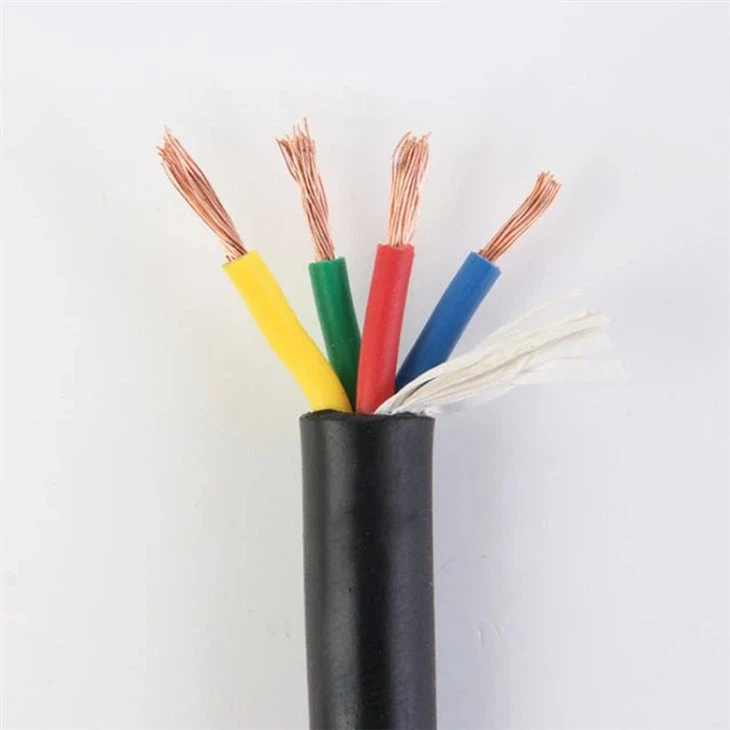

The National Electrical Code (NEC) sets standards for ampacity based on the wire's gauge, insulation type, and the ambient temperature where the wire will be installed. For example, in a hot attic, the ampacity of a wire may be reduced because the high temperature can cause the wire to heat up more quickly.
You also need to consider the voltage rating of the wire. The voltage rating should match the voltage of the electrical system in your home. Using a wire with a lower voltage rating than the system voltage can lead to insulation breakdown and electrical hazards.
Another important aspect is the type of insulation. The insulation must be suitable for the environment where the wire will be installed. For example, in a damp or wet location, you need to use wires with moisture - resistant insulation.
Installation Requirements
Now, let's move on to the installation requirements. First of all, wires must be installed in a way that protects them from physical damage. This means using proper raceways, such as conduits or cable trays, to enclose the wires. Raceways prevent the wires from being pinched, cut, or otherwise damaged by other objects.
Wires should also be installed at a safe distance from heat sources. Heat can degrade the insulation of the wire, increasing the risk of electrical fires. For example, you shouldn't run wires too close to a furnace or a hot water heater.
When it comes to making connections, all wire connections must be made properly. Loose connections can cause arcing, which can lead to electrical fires. You should use approved connectors, such as wire nuts or crimp connectors, and make sure the connections are tight.
In addition, there are requirements for grounding. Grounding provides a path for electrical current to flow safely to the ground in case of a fault. All electrical systems in a house must be properly grounded, and the grounding wires must be of the correct size and installed correctly.
Safety Requirements
Safety is always a top priority when it comes to electrical installations. One of the key safety requirements is the use of circuit breakers or fuses. These devices protect the electrical system from overloading. If too much current flows through a circuit, the circuit breaker will trip or the fuse will blow, cutting off the electrical supply and preventing damage to the wires and electrical equipment.
You also need to ensure that all electrical boxes are properly installed and covered. Electrical boxes provide a safe enclosure for wire connections and electrical devices. They should be securely mounted and have covers that fit tightly to prevent dust, dirt, and moisture from getting in.
Smoke detectors and ground - fault circuit interrupters (GFCIs) are also important safety features. Smoke detectors can detect the presence of smoke and alert you in case of a fire. GFCIs are designed to protect against electrical shocks by quickly shutting off the power when they detect a ground fault.
Inspection and Maintenance
Once the wires are installed, regular inspection and maintenance are essential. Inspections should be carried out by a qualified electrician to ensure that the wiring is in good condition and meets all code requirements.
During an inspection, the electrician will check for signs of wear and tear, such as frayed insulation or loose connections. They will also test the electrical system to make sure it is functioning properly.
Maintenance tasks may include tightening connections, replacing damaged wires or insulation, and checking the operation of circuit breakers and other safety devices.
Conclusion
So, there you have it - the code requirements for common house wire installation. As you can see, there are a lot of factors to consider, from wire selection to installation, safety, and maintenance. By following these code requirements, you can ensure that your home's electrical system is safe and reliable.
If you're in the market for high - quality common house wire, we've got you covered. We offer a wide range of wires, including Copper Core Polyethylene Insulated Cable, Household Insulated Wire, and 300/500V PVC Insulated Cable. Our products meet all the necessary code requirements and are of the highest quality.
If you have any questions or are interested in purchasing our products, don't hesitate to reach out. We'd love to have a chat with you and help you find the right wire for your needs.
References
- National Electrical Code (NEC)
- Electrical Wiring Handbook