In the world of electrical wiring, there are several components that play crucial roles in ensuring the safe and efficient operation of electrical systems. One such component is the neutral wire. As an Electrical Wire supplier, I've encountered numerous inquiries about the function of the neutral wire. In this blog post, I'll delve into the details of what a neutral wire is and why it's so important in electrical wiring.


Understanding the Basics of Electrical Circuits
Before we discuss the function of the neutral wire, it's essential to have a basic understanding of electrical circuits. An electrical circuit is a closed loop through which electric current can flow. It typically consists of a power source (such as a battery or a generator), conductors (wires), and a load (such as a light bulb or an appliance).
In an alternating current (AC) system, which is the most common type of electrical system used in homes and businesses, the electric current periodically reverses direction. The voltage in an AC system also varies sinusoidally. In a typical household electrical system in the United States, the standard voltage is 120 volts or 240 volts.
What is a Neutral Wire?
The neutral wire is one of the three wires commonly used in electrical wiring, along with the hot wire and the ground wire. The hot wire carries the electrical current from the power source to the load, while the neutral wire provides a return path for the current to flow back to the power source. The ground wire, on the other hand, is a safety feature that provides a path for electrical current to flow into the ground in the event of a fault.
The neutral wire is usually colored white or gray in the United States. It is connected to the neutral bus bar in the electrical panel, which is then connected to the ground at the service entrance. This connection to the ground helps to stabilize the voltage in the electrical system and provides a reference point for the electrical potential.
The Function of the Neutral Wire
The primary function of the neutral wire is to complete the electrical circuit. In a single-phase electrical system, such as the one used in most homes, the hot wire carries the current to the load, and the neutral wire provides a return path for the current to flow back to the power source. Without the neutral wire, the electrical circuit would be incomplete, and the load would not receive power.
Let's take a simple example of a light bulb connected to a 120-volt electrical outlet. The hot wire carries the 120-volt current to the light bulb, and the neutral wire provides a path for the current to flow back to the electrical panel. When the switch is turned on, the current flows through the hot wire, the light bulb, and the neutral wire, completing the circuit and causing the light bulb to light up.
In addition to completing the circuit, the neutral wire also helps to balance the electrical load in a three-phase electrical system. In a three-phase system, there are three hot wires, each carrying a current that is 120 degrees out of phase with the other two. The neutral wire carries the unbalanced current, which is the difference between the currents in the three hot wires. This helps to ensure that the electrical system operates efficiently and safely.
Importance of a Properly Connected Neutral Wire
A properly connected neutral wire is essential for the safe and efficient operation of an electrical system. If the neutral wire is not connected correctly or is damaged, it can cause a number of problems, including:
- Overheating: If the neutral wire is loose or damaged, it can cause the electrical current to flow through other parts of the electrical system, such as the ground wire or the metal enclosure of an appliance. This can cause these parts to overheat, which can lead to a fire.
- Voltage fluctuations: A damaged or disconnected neutral wire can cause voltage fluctuations in the electrical system. This can damage electrical appliances and equipment and can also pose a safety hazard.
- Electrical shock: If the neutral wire is not connected correctly, it can cause electrical current to flow through the metal enclosure of an appliance or other conductive surfaces. This can pose a serious risk of electrical shock to anyone who comes into contact with these surfaces.
Our Electrical Wire Products
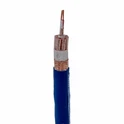
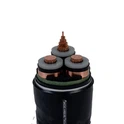
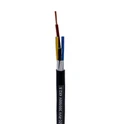
As an Electrical Wire supplier, we offer a wide range of high-quality electrical wires, including Hookup Wire 450V Cable, Hookup Wire 240 Volt Wire, and PVC Insulated Household Wire. Our wires are designed to meet the highest standards of safety and performance, and they are suitable for a variety of applications, including residential, commercial, and industrial electrical wiring.
Our Hookup Wire 450V Cable is a flexible, high-quality cable that is suitable for use in a variety of electrical applications. It is available in a range of sizes and colors, and it is designed to withstand high temperatures and harsh environments.
Our Hookup Wire 240 Volt Wire is a flat power cable that is designed for use in 240-volt electrical systems. It is made of high-quality materials and is designed to provide reliable performance and safety.
Our PVC Insulated Household Wire is a durable, flexible wire that is suitable for use in residential electrical wiring. It is available in a range of sizes and colors, and it is designed to meet the highest standards of safety and performance.
Contact Us for Your Electrical Wire Needs
If you're in the market for high-quality electrical wires, look no further than our company. We have a team of experienced professionals who can help you choose the right wires for your specific needs. Whether you're a homeowner, a contractor, or an industrial user, we have the products and expertise to meet your requirements.
Contact us today to learn more about our electrical wire products and to discuss your specific needs. We look forward to working with you to provide you with the best possible electrical wiring solutions.
References
- National Electrical Code (NEC)
- Electrical Wiring Handbook
- IEEE Standards for Electrical Safety in the Workplace