Hey there! As a supplier of outdoor electrical cables, I've been in the thick of the industry for quite some time. One question that often pops up is, "Are there any differences in outdoor electrical cables for different countries?" Well, let's dive right into it.
The Basics of Outdoor Electrical Cables
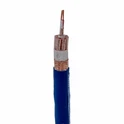
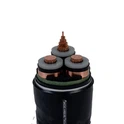
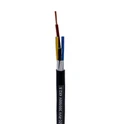
First off, let's talk a bit about what outdoor electrical cables are all about. These cables are designed to withstand the elements. Whether it's scorching heat, freezing cold, heavy rain, or even UV rays, they need to keep doing their job. There are different types, too. For instance, the Xlpe Insulation Outdoor Cable is a popular choice. XLPE, or cross-linked polyethylene, is a great insulator. It provides excellent electrical properties and can handle high temperatures. And then there's the Electric Copper Wire Cable. Copper is a fantastic conductor, so these cables are great for transmitting electricity efficiently.
Climate and Environmental Factors
One of the biggest factors that can lead to differences in outdoor electrical cables between countries is the climate. Take a country like Saudi Arabia, for example. It's extremely hot there, with temperatures often soaring above 40°C (104°F). In such a climate, cables need to be able to handle the heat without degrading. The insulation materials used in these cables need to have a high melting point and good thermal stability. On the other hand, countries like Canada have long, cold winters. Cables in Canada need to be flexible even in freezing temperatures to prevent cracking. The Xlpe Insulation Outdoor Electrical Cable is a good option in both hot and cold climates because of its wide temperature tolerance.
Environmental factors also play a role. Coastal countries have to deal with saltwater corrosion. The cables used in these areas need to have a protective coating that can resist the corrosive effects of salt. In areas with high levels of pollution, cables may need to be more resistant to chemicals and pollutants in the air.
Electrical Standards and Regulations
Each country has its own set of electrical standards and regulations. These standards are in place to ensure the safety and reliability of electrical systems. For example, in the United States, the National Electrical Code (NEC) sets the rules for electrical installations, including the use of outdoor electrical cables. The NEC specifies things like the minimum size of cables for different applications, the type of insulation that can be used, and the requirements for grounding.


In Europe, the International Electrotechnical Commission (IEC) standards are widely followed. These standards are similar in many ways to the NEC but may have some differences in specific requirements. For instance, the IEC may have different requirements for the fire resistance of cables. As a supplier, I have to make sure that the cables I offer meet the standards of the countries I'm selling to. This often means making some modifications to the cables, such as using different insulation materials or adding additional safety features.
Voltage Requirements
Another important factor is the voltage requirements in different countries. The standard voltage in the United States is 120V, while in many European countries, it's 230V. Cables need to be designed to handle the specific voltage of the country they're being used in. Higher voltage cables need to have better insulation to prevent electrical breakdown. This means that the thickness and quality of the insulation may vary depending on the voltage requirements.
Installation Practices
Installation practices can also vary from country to country. In some countries, it's common to bury outdoor electrical cables underground, while in others, they may be installed on poles or in conduits. The way the cables are installed can affect their performance and durability. For example, cables that are buried underground need to be more resistant to moisture and mechanical damage. They may also need to have a different type of outer jacket to protect them from the soil.
Cost and Availability of Materials
The cost and availability of materials can also lead to differences in outdoor electrical cables. In some countries, certain materials may be more readily available and cheaper, while in others, they may be scarce and expensive. This can influence the choice of materials used in the cables. For example, if copper is very expensive in a particular country, manufacturers may look for alternative conductors, such as aluminum.
Cultural and Market Preferences
Cultural and market preferences can't be ignored either. In some countries, there may be a preference for a certain brand or type of cable. This could be due to historical reasons, word-of-mouth recommendations, or marketing efforts. As a supplier, I need to understand these preferences and try to meet the demands of the market.
Conclusion
So, to answer the question, yes, there are definitely differences in outdoor electrical cables for different countries. These differences are due to a variety of factors, including climate, electrical standards, voltage requirements, installation practices, cost and availability of materials, and cultural and market preferences. As a supplier, it's my job to stay on top of these differences and offer cables that meet the specific needs of each country.
If you're in the market for outdoor electrical cables and want to learn more about how our products can meet your country's requirements, feel free to reach out. We're here to help you find the right cables for your project. Let's start a conversation and see how we can work together!
References
- National Electrical Code (NEC)
- International Electrotechnical Commission (IEC) standards
- Various industry reports on outdoor electrical cable usage in different countries