Hey there! As a supplier of common house wire, I often get asked if common house wire can be used in smart home device wiring. Well, let's dive right into this topic and break it down.
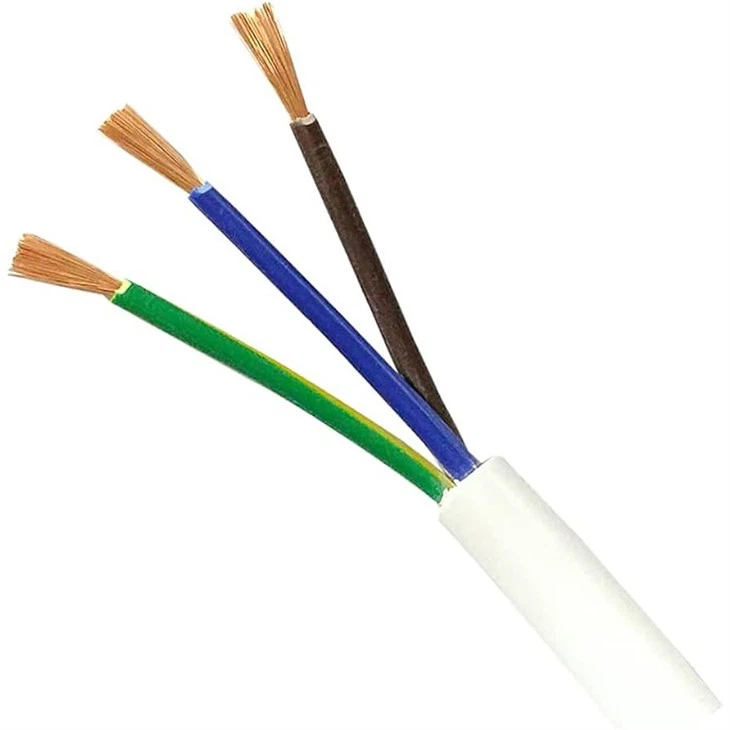
First off, what exactly is common house wire? Common house wire, like the 300/500V PVC Insulated Cable and Household Insulated Wire, is what you typically find in regular residential electrical installations. It's designed to carry electrical current safely within a home's electrical system. These wires come in different gauges, which determine their current - carrying capacity. For example, a thicker gauge wire can handle more current than a thinner one.
Now, let's talk about smart home devices. Smart home devices are all the rage these days. From smart thermostats that can adjust the temperature based on your schedule, to smart security cameras that let you keep an eye on your home from anywhere in the world. These devices usually operate on low - voltage power, often in the range of 12V to 24V DC.
So, can common house wire be used for them? In some cases, yes, it can. One of the main advantages of using common house wire is its availability. You can easily source it from local hardware stores or directly from suppliers like me. It's also relatively inexpensive compared to some specialized wiring for smart home devices. And if you're doing a DIY smart home project, chances are you already have some common house wire lying around.
However, there are also some drawbacks. Smart home devices often require a stable and clean power supply. Common house wire, especially if it's old or of poor quality, may introduce electrical noise. Electrical noise can cause interference with the signals that smart devices use to communicate with each other and with the central control system. This interference can lead to malfunctions, such as a smart light flickering or a smart lock not responding properly.
Another thing to consider is the length of the wire run. If you're running a long distance of wire, say from the breaker box to a smart device in a far - off room, the resistance of the common house wire can become an issue. As the length of the wire increases, the resistance also increases, which can cause a drop in voltage. A significant voltage drop can affect the performance of the smart device, especially those that are sensitive to voltage changes.

When it comes to safety, common house wire is generally safe for use in a home environment. But smart home devices often have their own safety requirements. For example, some smart devices are designed to be installed in low - voltage circuits with proper grounding and over - current protection. Using common house wire without following these safety guidelines can pose a risk of electrical shock or fire.
Let's take a look at some specific smart home devices and how common house wire might work with them.
Smart lighting systems are one of the most common smart home devices. If you're just replacing a regular light switch with a smart switch, common house wire can usually be used. The wiring in most homes is already set up to handle the power requirements of lighting fixtures. However, if you're installing a complex smart lighting system with multiple zones and dimming capabilities, you might need to pay more attention to the quality of the wire and the electrical connections.
Smart thermostats are another story. These devices are usually connected to the HVAC system and require a stable power supply. Using common house wire can work, but you need to make sure that the wire can handle the small amount of current that the thermostat draws without introducing too much resistance.
Smart security cameras also rely on a reliable power source. If you're powering a camera directly from a power outlet using common house wire, it should be fine as long as the wire is in good condition. But if you're running the wire outdoors or in a damp environment, you need to make sure that the wire is properly insulated and protected.
Now, if you're thinking about using common house wire for your smart home device wiring, here are some tips. First, always check the manufacturer's specifications for the smart device. They will usually provide guidelines on the type of wiring that is recommended. Second, use high - quality common house wire. Don't skimp on the wire just to save a few bucks. It's worth investing in good - quality wire to ensure the long - term performance of your smart home devices.
If you're not sure about the wiring, it's always a good idea to consult a professional electrician. An electrician can assess your home's electrical system, recommend the right type of wiring, and ensure that the installation is done safely and correctly.
In conclusion, common house wire can be used in smart home device wiring in certain situations. But it's not a one - size - fits - all solution. You need to weigh the pros and cons, consider the specific requirements of your smart home devices, and take the necessary precautions to ensure a successful and safe installation.
If you're interested in purchasing common house wire for your smart home project or any other electrical needs, I'd love to have a chat with you. Feel free to reach out to discuss your requirements and get the best solutions for your wiring needs.
References:
- Electrical Wiring Handbook, various editions
- Manufacturer's manuals for common smart home devices