Hey there! As a supplier of Mains Armoured Cable, I've seen firsthand how challenging it can be to ensure cable performance in cold regions. Cold temperatures can have a significant impact on the functionality and lifespan of these cables, but with the right strategies, you can keep your cables running smoothly even in the chilliest conditions. In this blog post, I'll share some tips and tricks on how to guarantee the performance of Mains Armoured Cable in cold regions.
Understanding the Impact of Cold on Mains Armoured Cable
Before we dive into the solutions, let's take a quick look at how cold temperatures can affect Mains Armoured Cable. When it gets cold, the materials in the cable can become more brittle. This brittleness makes the cable more prone to cracking and breaking, especially if it's subjected to any kind of mechanical stress, like bending or pulling.
The insulation on the cable can also be affected. Cold can cause the insulation to shrink, which might lead to gaps and expose the conductive parts of the cable. This not only reduces the cable's effectiveness but can also pose a safety hazard.
Selecting the Right Cable for Cold Regions
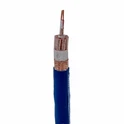
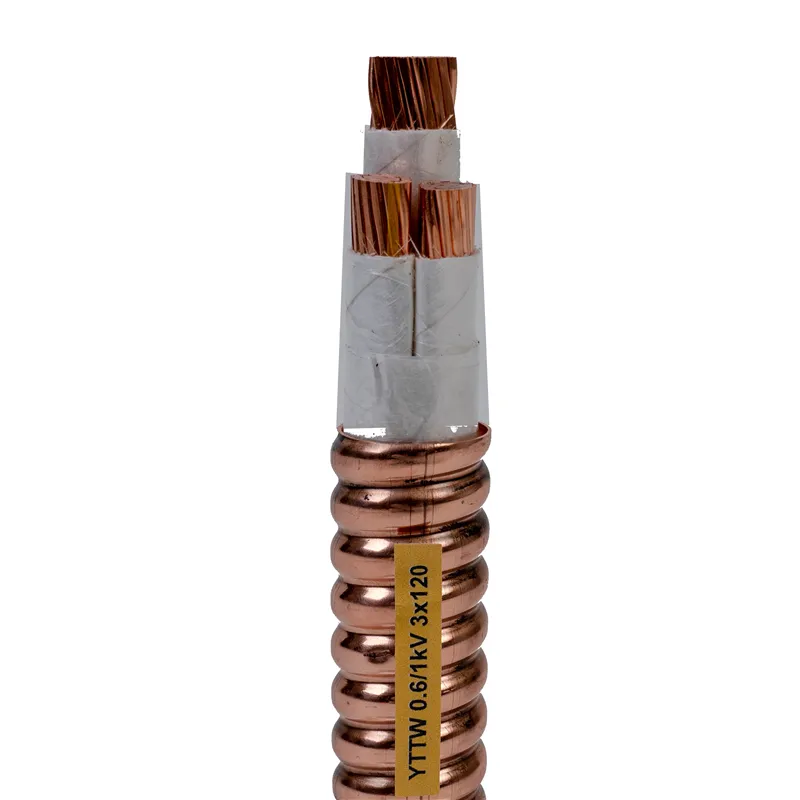
The first step in ensuring performance in cold regions is choosing the right cable. At our company, we offer a range of high - quality cables designed to withstand low temperatures. For instance, our 600 1000v Armoured Cable is built with materials that maintain flexibility even in cold weather. These cables are made with special insulation compounds that resist the shrinking and cracking that can occur in cold conditions.
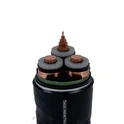
Another great option is our Armoured 3 Core Power Cable. This cable is designed for heavy - duty power transmission and has an extra layer of protection that helps it perform well in cold environments. The armour provides mechanical strength, and the insulation is engineered to stay stable at low temperatures.
When selecting a cable, it's important to consider the minimum operating temperature of the cable. Make sure the cable you choose can handle the coldest temperatures in the area where it will be installed.
Proper Installation Techniques
Even the best cable won't perform well if it's not installed correctly. In cold regions, installation requires some extra care.
First, avoid installing the cable when the temperature is extremely low. Cold - weather installation can cause the cable to become more rigid, making it difficult to bend and shape without damaging it. If possible, schedule the installation for a relatively warmer day or use heating equipment to warm up the cable before installation.

When laying the cable, make sure there is enough slack. Cold can cause the cable to contract, and if there's not enough slack, it can put stress on the cable and its connections.
Proper grounding is also crucial. A good grounding system helps protect the cable from electrical surges and ensures the safety of the entire electrical system. Make sure the grounding is done according to local electrical codes.
Insulation and Protection
To further enhance the performance of Mains Armoured Cable in cold regions, additional insulation and protection can be used.
Insulation sleeves can be added to the cable. These sleeves provide an extra layer of protection against the cold and help maintain the cable's temperature. They also protect the cable from moisture, which can be a problem in cold, wet environments.
Cable trays and conduits can also offer protection. They shield the cable from physical damage, such as being hit by falling objects or being chewed on by animals. Additionally, they can help keep the cable organized and prevent it from coming into contact with other objects that might cause damage.
Regular Maintenance and Monitoring
Regular maintenance is key to ensuring the long - term performance of Mains Armoured Cable in cold regions.
Inspect the cable regularly for any signs of damage. Look for cracks in the insulation, loose connections, or any signs of corrosion. Catching these issues early can prevent more serious problems down the line.
Monitoring the cable's performance is also important. Use monitoring equipment to check the temperature, voltage, and current of the cable. Unusual readings can indicate a problem with the cable, such as a short circuit or a damaged insulation.
Keep the area around the cable clean. Remove any snow, ice, or debris that might accumulate on the cable. Snow and ice can add extra weight to the cable, and debris can cause abrasion.
Training for Personnel
Make sure the people involved in the installation, maintenance, and operation of the cable are properly trained. They should understand the unique challenges of working with Mains Armoured Cable in cold regions.
Training should cover topics such as proper installation techniques in cold weather, how to recognize signs of cable damage, and how to perform basic maintenance tasks. Well - trained personnel can help prevent many common problems and ensure the cable performs at its best.
Conclusion
Ensuring the performance of Mains Armoured Cable in cold regions is a multi - faceted task. It starts with selecting the right cable, followed by proper installation, insulation, regular maintenance, and training for personnel.
At our company, we're committed to providing high - quality Mains Armoured Cable that can withstand the harshest cold - weather conditions. If you're in the market for Mains Armoured Cable for a cold - region project, don't hesitate to get in touch with us. We'd be more than happy to discuss your needs and help you find the perfect cable solution.
References
- Electrical Engineering Handbook for Cold - Region Applications
- International Electrical Codes for Cold - Weather Cable Installation
- Manufacturer's Guidelines for Mains Armoured Cable in Cold Conditions