As a supplier of Fire Resistant Control Wire, I often encounter questions from customers regarding the capabilities of our products. One of the most frequently asked questions is whether Fire Resistant Control Wire can resist chemical corrosion. In this blog post, I will delve into this topic, exploring the science behind fire-resistant control wires and their chemical resistance.
Understanding Fire Resistant Control Wire
Fire Resistant Control Wire is a specialized type of cable designed to maintain circuit integrity during a fire. It is commonly used in critical applications where the continuous operation of electrical systems is essential, such as in emergency lighting, fire alarms, and elevator controls. The primary function of these wires is to ensure that power and signals can be transmitted even in the presence of high temperatures and flames.
The construction of Fire Resistant Control Wire typically involves multiple layers of insulation and protective materials. These materials are carefully selected for their fire-resistant properties, which can include low flammability, high melting points, and the ability to form a protective char layer when exposed to fire. Some common materials used in fire-resistant control wires include mica, ceramic fiber, and certain types of polymers.
Fire Resistant Control Wire is engineered to meet strict safety standards and regulations. These standards often specify the minimum time that the wire must maintain circuit integrity during a fire, as well as the maximum amount of heat and smoke that it can generate. By adhering to these standards, manufacturers can ensure that their products provide reliable performance in emergency situations.
Chemical Corrosion: A Threat to Electrical Wires
Chemical corrosion is a natural process that occurs when metals or other materials react with chemicals in their environment. This reaction can cause the material to deteriorate, leading to a loss of strength, conductivity, and functionality. In the case of electrical wires, chemical corrosion can pose a significant threat to their performance and safety.
There are several factors that can contribute to chemical corrosion in electrical wires. These include exposure to moisture, acids, alkalis, salts, and other corrosive substances. The presence of these chemicals can accelerate the corrosion process, especially if the wire is not properly protected.
Corrosion can affect different parts of the wire, including the conductor, insulation, and outer sheath. When the conductor corrodes, it can increase the resistance of the wire, leading to a loss of power and potential overheating. Corrosion of the insulation can compromise its electrical properties, increasing the risk of short circuits and electrical failures. And corrosion of the outer sheath can expose the inner components of the wire to further damage.
Can Fire Resistant Control Wire Resist Chemical Corrosion?
The ability of Fire Resistant Control Wire to resist chemical corrosion depends on several factors, including the type of materials used in its construction, the specific chemicals it is exposed to, and the duration and intensity of the exposure.
Many fire-resistant control wires are designed with corrosion-resistant materials. For example, some wires use copper conductors, which have good resistance to many common corrosive substances. Additionally, the insulation and outer sheath materials are often selected for their chemical resistance properties. For instance, certain polymers used in insulation can provide a barrier against moisture and chemicals, protecting the inner components of the wire.
However, it's important to note that no wire is completely immune to chemical corrosion. Even the most corrosion-resistant materials can be damaged if they are exposed to extremely harsh chemicals or if the exposure is prolonged. Therefore, it's crucial to understand the limitations of fire-resistant control wires and to take appropriate measures to protect them from chemical corrosion.
Factors Affecting Chemical Resistance
Material Selection
The choice of materials is one of the most important factors in determining the chemical resistance of Fire Resistant Control Wire. Different materials have different levels of resistance to various chemicals. For example, PVC (polyvinyl chloride) is a commonly used insulation material that has good resistance to many acids, alkalis, and salts. PVC Insulated Control Cable is often used in applications where chemical resistance is required.

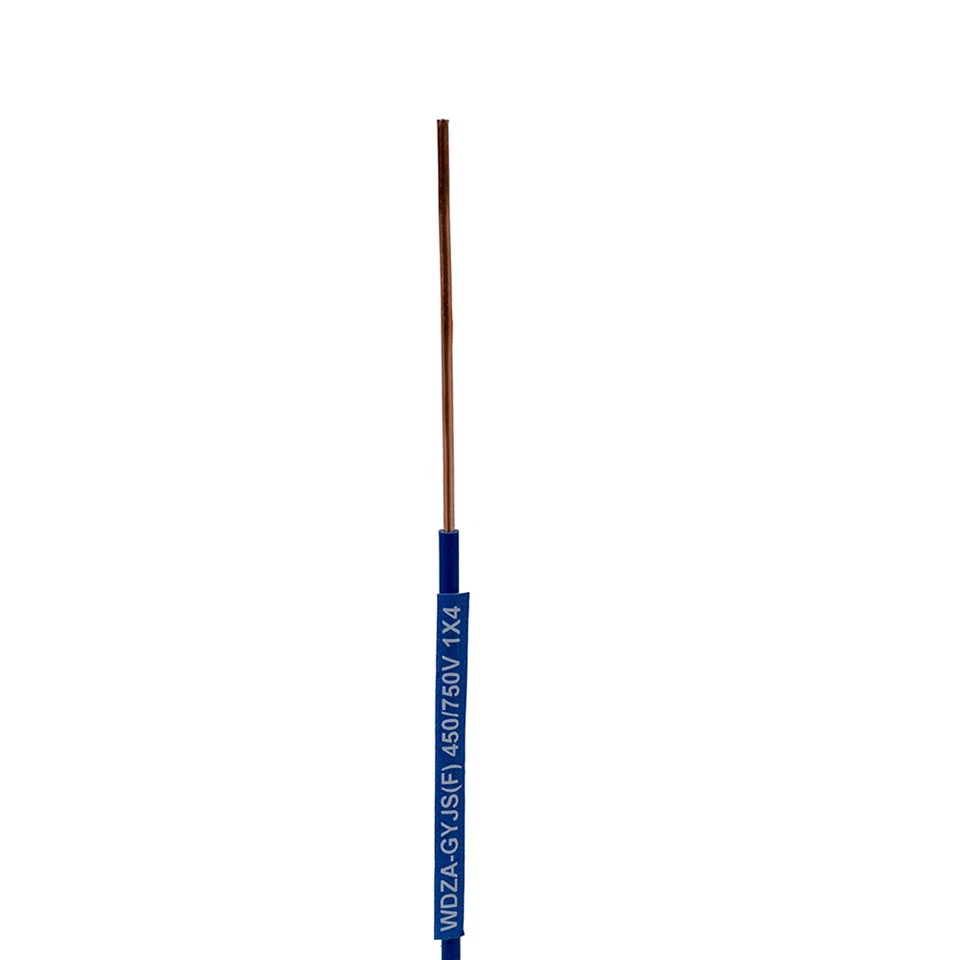
On the other hand, some materials may be more susceptible to certain chemicals. For example, some types of polymers may be attacked by solvents or strong oxidizing agents. Therefore, it's important to select materials that are compatible with the specific chemicals present in the environment.
Coating and Protection
In addition to using corrosion-resistant materials, Fire Resistant Control Wire can also be protected with coatings and other protective measures. For example, some wires are coated with a layer of corrosion-resistant paint or a protective film. These coatings can provide an additional barrier against chemicals, reducing the risk of corrosion.
Another common protective measure is the use of a metal armor or a braided shield. These can provide physical protection to the wire, preventing it from being damaged by mechanical forces or by contact with sharp objects. Additionally, the metal armor can act as a barrier against moisture and some chemicals.
Environmental Conditions
The environmental conditions in which the wire is installed also play a significant role in its chemical resistance. Factors such as temperature, humidity, and the presence of pollutants can all affect the rate of corrosion. For example, high humidity can accelerate the corrosion process, especially in the presence of salts or other corrosive substances.
It's important to consider these environmental conditions when selecting and installing Fire Resistant Control Wire. In some cases, it may be necessary to take additional precautions, such as installing the wire in a protected enclosure or using a ventilation system to control the humidity.
Applications and Considerations
In many industrial and commercial applications, Fire Resistant Control Wire is exposed to a variety of chemicals. For example, in chemical processing plants, wires may be exposed to acids, alkalis, and solvents. In marine environments, wires may be exposed to saltwater, which can be highly corrosive.
When using fire-resistant control wires in these applications, it's important to carefully evaluate the chemical environment and to select wires that are suitable for the specific conditions. This may involve consulting with a technical expert or conducting chemical compatibility tests.
In some cases, it may be necessary to use additional protective measures, such as installing the wire in a conduit or using a corrosion-resistant coating. Regular inspection and maintenance of the wires are also essential to detect and address any signs of corrosion early on.
Conclusion
In conclusion, while Fire Resistant Control Wire can offer a certain degree of resistance to chemical corrosion, it's not a one-size-fits-all solution. The ability of the wire to resist corrosion depends on various factors, including the materials used, the protective measures taken, and the environmental conditions.
As a supplier of Fire Resistant Control Wire, we are committed to providing our customers with high-quality products that meet their specific needs. We offer a range of wires with different levels of chemical resistance, and we can work with you to select the most suitable wire for your application.
If you are in the market for Fire Resistant Control Wire and have concerns about chemical corrosion, we encourage you to contact us for more information. Our team of experts can provide you with detailed technical advice and help you make an informed decision. Whether you need a wire for a critical emergency system or a general industrial application, we have the solution for you. Let's start a conversation about your requirements and find the best Fire Resistant Control Wire for your project.
References
- Electrical Wiring Handbook, various editions
- Standards and guidelines related to fire-resistant and control cables from relevant national and international organizations.