


Proper storage of 3 Core Household Wire is crucial to maintain its quality and performance. As a 3 Core Household Wire supplier, I understand the significance of providing guidance on this topic. In this blog, I will share some essential tips on how to store 3 Core Household Wire properly.
Understanding the Importance of Proper Storage
3 Core Household Wire is designed to carry electrical current safely within a home. However, improper storage can lead to damage that may compromise its safety and functionality. Factors such as moisture, temperature, and physical damage can all have a negative impact on the wire. For example, exposure to moisture can cause corrosion of the copper conductors, while extreme temperatures can affect the insulation material. Physical damage, such as cuts or abrasions, can also expose the conductors and increase the risk of electrical hazards.
Choosing the Right Storage Location
The first step in proper storage is to choose the right location. The storage area should be dry, cool, and well - ventilated. Avoid areas that are prone to flooding or high humidity, such as basements without proper waterproofing. A temperature - controlled environment is ideal, as extreme heat or cold can cause the insulation to expand or contract, which may lead to cracks or other damage over time.
If possible, store the wire in a dedicated storage room or cabinet. This will help protect it from dust, dirt, and physical damage. Make sure the storage area is away from sources of mechanical stress, such as heavy machinery or areas where there is a high risk of impact.
Protecting the Wire from Moisture
Moisture is one of the biggest enemies of 3 Core Household Wire. To protect the wire from moisture, it is recommended to use moisture - resistant packaging. Most 3 Core Household Wires come in plastic wraps or reels that provide some level of protection. However, if you need to store the wire for an extended period, you may consider using additional protective measures.
One option is to use desiccants. Desiccants are substances that absorb moisture from the air. You can place desiccant packs inside the storage container or cabinet to help keep the air dry. Another option is to use a dehumidifier in the storage area. A dehumidifier can effectively reduce the humidity level and prevent moisture from accumulating on the wire.
Avoiding Physical Damage
Physical damage can occur during storage if the wire is not handled properly. When storing the wire, make sure it is not bent or kinked. Bending the wire at sharp angles can damage the internal conductors and insulation. If the wire is on a reel, ensure that the reel is stored in an upright position to prevent it from collapsing or causing the wire to become tangled.
Also, avoid stacking heavy objects on top of the wire. The weight can cause compression damage to the insulation and conductors. If you need to stack multiple reels of wire, use proper support structures to distribute the weight evenly.
Organizing the Storage
Proper organization of the storage area can make it easier to access the wire when needed and also help prevent damage. Label the reels or packages of wire clearly with information such as the wire gauge, length, and type. This will make it easier to identify the wire you need without having to search through a large number of reels.
Arrange the wire in an orderly manner. You can use shelves or racks to store the reels or packages. Make sure there is enough space between each reel or package to allow for easy handling and inspection.
Storing Different Types of 3 Core Household Wire
There are different types of 3 Core Household Wire available, such as Household Insulated Wire, 300/500V PVC Insulated Cable, and Copper Core Polyethylene Insulated Cable. Each type may have specific storage requirements.
For example, PVC - insulated cables are generally more resistant to moisture and chemicals compared to some other types of insulation. However, they can still be affected by high temperatures. So, when storing PVC - insulated 3 Core Household Wire, it is important to keep the storage temperature within the recommended range.
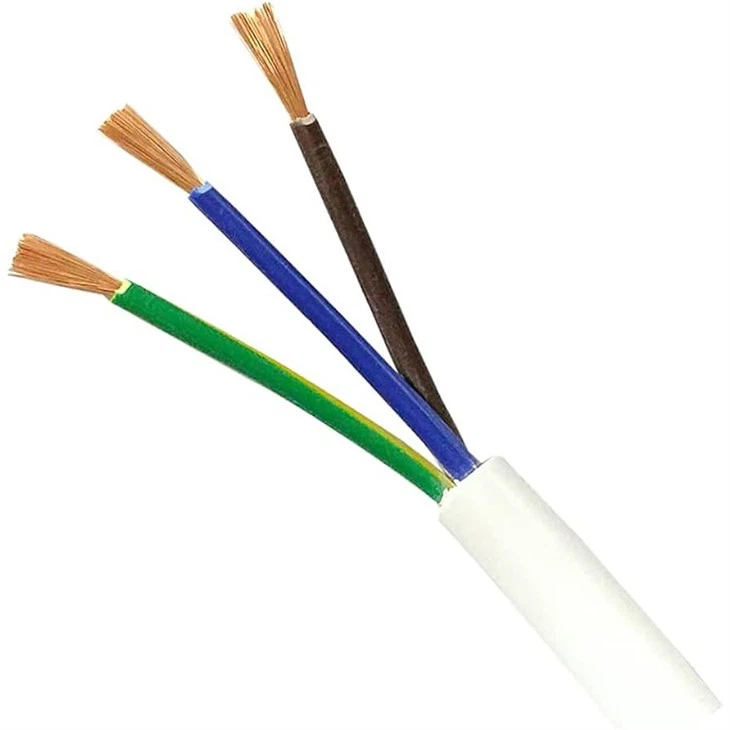

Copper Core Polyethylene Insulated Cable is known for its excellent electrical properties. Polyethylene insulation is sensitive to oxidation and environmental stress cracking. Therefore, it should be stored in a clean, dry environment away from sources of ozone and other oxidizing agents.
Regular Inspection
Regular inspection of the stored 3 Core Household Wire is essential to detect any signs of damage or deterioration early. Check the insulation for cracks, discoloration, or other signs of damage. Inspect the conductors for corrosion or signs of breakage.
If you notice any damage during the inspection, it is important to take appropriate action. Depending on the severity of the damage, you may need to replace the wire or repair it if possible.
Conclusion
Proper storage of 3 Core Household Wire is essential to ensure its quality and safety. By choosing the right storage location, protecting the wire from moisture and physical damage, organizing the storage area, and conducting regular inspections, you can extend the lifespan of the wire and prevent potential electrical hazards.
As a 3 Core Household Wire supplier, we are committed to providing high - quality products and valuable information to our customers. If you are interested in purchasing 3 Core Household Wire or have any questions about storage or other aspects, please feel free to contact us for further discussion and procurement negotiation.
References
- Electrical Wiring Handbook, various editions
- Manufacturer's guidelines for 3 Core Household Wire storage


