As a supplier of 4 Core Cy Cables, I often encounter inquiries from customers regarding the suitability of our cables for high - voltage applications. This question is not only crucial but also complex, as it involves multiple aspects of electrical engineering, safety regulations, and cable performance.
Understanding 4 Core Cy Cables
Before delving into the question of high - voltage applications, it's essential to understand what a 4 Core Cy Cable is. The 4 Core Cy Cable is a type of multi - core cable that consists of four conductors. These cables are commonly used in a variety of electrical systems, including power distribution, control circuits, and communication systems.
The "Cy" in the cable name typically refers to a specific construction or insulation type. Usually, these cables are designed to provide reliable performance in normal electrical environments. They are often used in low - to medium - voltage applications, such as Control Panel Wire installations, where they need to transmit electrical signals or power within a relatively safe voltage range.
The four cores in the cable can be used for different purposes. For example, in a power distribution system, three cores might be used for the phase conductors, and the fourth core could serve as the neutral conductor. In a control circuit, each core could carry a different control signal.
High - Voltage Applications: What Are They?
High - voltage applications are those where electrical equipment operates at voltages significantly higher than the standard household or industrial low - voltage levels. In general, high - voltage is considered to be above 1000 volts AC or 1500 volts DC. These applications are commonly found in power generation plants, electrical substations, and high - power industrial machinery.
In high - voltage systems, the electrical stress on cables is much greater. The high voltage can cause phenomena such as corona discharge, insulation breakdown, and increased heat generation. Therefore, cables used in high - voltage applications need to have specific characteristics to withstand these harsh conditions.
Suitability of 4 Core Cy Cables for High - Voltage Applications
Insulation Properties
One of the most critical factors in determining whether a cable can be used in high - voltage applications is its insulation performance. The insulation of a 4 Core Cy Cable is typically designed for lower voltage levels. High - voltage applications require insulation materials that have high dielectric strength, which is the ability to withstand high electrical stress without breaking down.
The insulation of a standard 4 Core Cy Cable may not have the necessary dielectric strength to prevent insulation breakdown in a high - voltage environment. If the insulation breaks down, it can lead to short circuits, electrical fires, and even endanger the safety of personnel and equipment.
Temperature Resistance
High - voltage applications often generate more heat due to the high electrical current and power losses. Cables used in these applications need to have good temperature resistance. The insulation and sheathing materials of a 4 Core Cy Cable may not be able to withstand the high temperatures generated in high - voltage systems.
Excessive heat can cause the insulation to degrade over time, reducing its effectiveness and increasing the risk of electrical failures. For example, in a high - voltage power transmission line, the cable may experience significant heating due to the high current flow. A cable designed for lower voltage applications may not be able to dissipate this heat effectively, leading to premature failure.
Mechanical Strength
In high - voltage applications, cables are often subject to more significant mechanical stresses. For instance, in outdoor high - voltage substations, cables may be exposed to wind, ice, and other environmental factors. The mechanical strength of a 4 Core Cy Cable may not be sufficient to withstand these stresses.
The sheathing and construction of a standard 4 Core Cy Cable are typically designed for normal operating conditions. In high - voltage applications, additional mechanical protection may be required to ensure the cable's integrity over its service life.
Safety Standards
High - voltage applications are subject to strict safety standards and regulations. These standards are in place to protect personnel, equipment, and the environment. Using a 4 Core Cy Cable, which is not designed for high - voltage applications, may violate these safety standards.
For example, in many countries, high - voltage cables need to undergo specific testing and certification processes to ensure their compliance with safety requirements. A 4 Core Cy Cable may not meet these requirements, which can lead to legal and safety issues.
Exceptions and Specialized 4 Core Cy Cables
While standard 4 Core Cy Cables are generally not suitable for high - voltage applications, there may be some exceptions. In some cases, specialized 4 Core Cy Cables can be designed and manufactured to meet the requirements of high - voltage systems.
These specialized cables may use advanced insulation materials with higher dielectric strength, better temperature - resistant sheathing, and enhanced mechanical protection. They also need to meet relevant high - voltage safety standards. If you have a high - voltage application and require a 4 Core Cy Cable, it's important to consult with a professional cable engineer or the cable manufacturer to see if a suitable specialized cable can be developed.

Alternatives for High - Voltage Applications
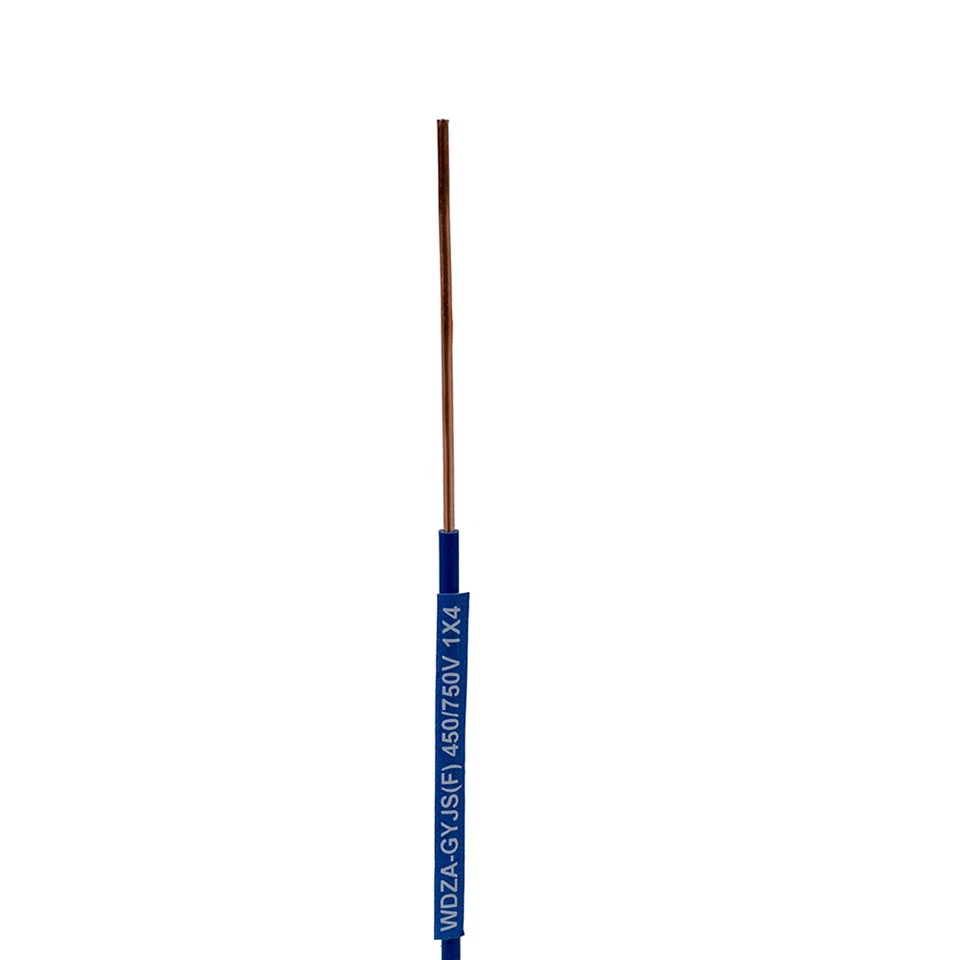
If a 4 Core Cy Cable is not suitable for your high - voltage application, there are other types of cables that you can consider. For example, Fire Resistant Control Wire may be a good option for some high - voltage control circuits, especially in environments where fire safety is a concern.
Another alternative is the Lighting Control Cable 2.5 Sy Cable, which can be used in some high - voltage lighting control systems. These cables are designed to meet the specific requirements of high - voltage applications and have the necessary insulation, temperature resistance, and mechanical strength.
Conclusion and Contact
In conclusion, standard 4 Core Cy Cables are generally not recommended for high - voltage applications due to their limitations in insulation properties, temperature resistance, mechanical strength, and compliance with safety standards. However, specialized 4 Core Cy Cables may be developed for specific high - voltage requirements.
If you have any questions regarding the suitability of 4 Core Cy Cables for your application, whether it's high - voltage or low - voltage, or if you are interested in exploring our cable products, we encourage you to reach out to us for further discussion and procurement negotiation. Our team of experts is ready to provide you with the most suitable cable solutions based on your specific needs.
References
- Electrical Installation Handbook. Schneider Electric.
- High - Voltage Engineering: Fundamentals. M. S. Naidu, V. Kamaraju.
- Cable Engineering for Intelligent Buildings. Various authors.