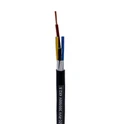
Rodents can cause significant damage to household insulated wires, leading to electrical malfunctions, short circuits, and even fires. As a trusted supplier of Household Insulated Wire, I understand the importance of protecting these essential components of your home's electrical system. In this blog post, I'll share some effective strategies to safeguard your household insulated wires from rodent damage.
Understanding the Problem
Rodents, such as mice and rats, have a natural instinct to chew on various objects to keep their teeth trimmed. Unfortunately, household insulated wires are often on their menu. The soft insulation materials used in many wires are appealing to rodents, and they can easily gnaw through them, exposing the conductive wires inside. This not only poses a risk to your electrical system but also to the safety of your home and family.


Signs of Rodent Activity
Before you can take steps to protect your wires, you need to identify if rodents are present in your home. Here are some common signs of rodent activity:
- Chew Marks: Look for small, gnawed areas on wires, cables, and other objects. Rodent teeth marks are typically small and sharp.
- Droppings: Rodent droppings are small, dark, and pellet-shaped. You may find them near wires, in cabinets, or along baseboards.
- Nesting Materials: Rodents often build nests using shredded paper, fabric, and other soft materials. Look for nests in attics, basements, and crawl spaces.
- Scratching Noises: You may hear scratching or scurrying noises in the walls, ceilings, or floors, especially at night when rodents are most active.
Preventive Measures
Once you've identified rodent activity, it's important to take immediate action to protect your household insulated wires. Here are some preventive measures you can take:
- Seal Entry Points: Rodents can enter your home through small cracks and holes in the foundation, walls, and roof. Seal these entry points using caulk, steel wool, or wire mesh to prevent rodents from getting inside.
- Keep Your Home Clean: Rodents are attracted to food and clutter. Keep your home clean and free of food debris, and store food in sealed containers. Regularly vacuum and mop floors, and wipe down countertops to remove crumbs and spills.
- Trim Trees and Shrubs: Rodents can use overhanging branches and shrubs to access your home. Trim trees and shrubs away from the house to eliminate these access points.
- Store Firewood Away from the House: Firewood can provide a warm and cozy nesting place for rodents. Store firewood at least 20 feet away from the house and off the ground.
- Use Rodent-Resistant Wires: Consider using Copper Core Polyethylene Insulated Cable or other rodent-resistant wires in areas where rodents are likely to be present. These wires are designed with a tough outer layer that is more difficult for rodents to chew through.
- Install Wire Guards: Wire guards are protective covers that can be installed over wires to prevent rodents from accessing them. They are available in a variety of sizes and materials, and can be easily installed using adhesive or screws.
Traps and Baits
If preventive measures aren't enough to control the rodent population in your home, you may need to use traps and baits. Here are some common types of traps and baits:
- Snap Traps: Snap traps are the most common type of rodent trap. They work by using a spring-loaded bar to snap shut when a rodent triggers the trap. Snap traps are effective, but they can be dangerous if not used properly.
- Glue Traps: Glue traps are sticky pads that trap rodents when they walk across them. They are easy to use and can be placed in areas where rodents are likely to travel. However, glue traps can be inhumane, as rodents may suffer for hours before dying.
- Live Traps: Live traps are designed to capture rodents without harming them. They work by using a bait to lure rodents into a cage, where they can be released outside. Live traps are a humane option, but they require regular monitoring to ensure that rodents are released promptly.
- Rodenticides: Rodenticides are chemical poisons that are used to kill rodents. They are available in a variety of forms, including pellets, baits, and sprays. Rodenticides can be effective, but they can also be dangerous to humans and pets if not used properly.
Professional Pest Control
If you're dealing with a severe rodent infestation, or if you're unsure how to safely use traps and baits, it's best to call a professional pest control company. A professional pest control technician can assess the extent of the infestation, identify the type of rodents present, and recommend the most appropriate treatment options. They can also provide ongoing monitoring and prevention services to ensure that rodents don't return.
Conclusion
Protecting your household insulated wires from rodents is essential for the safety and functionality of your home's electrical system. By taking preventive measures, using traps and baits, and seeking professional help when needed, you can keep your wires safe from rodent damage. As a supplier of 300/500V PVC Insulated Cable and other high-quality household insulated wires, I'm committed to providing you with the products and information you need to protect your home. If you have any questions or need assistance, please don't hesitate to contact me. I'm here to help you keep your home safe and comfortable.
References
- "Rodent Control in the Home." Centers for Disease Control and Prevention.
- "How to Keep Rodents Out of Your Home." National Pest Management Association.
- "Rodent-Resistant Electrical Wires." Electrical Safety Foundation International.