Hey there! As an armoured cable supplier, I've seen firsthand how important it is to know the ins and outs of installing armoured cable in a trench. It's not just about burying some wires; it's about ensuring safety, durability, and long - term performance. In this blog, I'm going to walk you through the whole process step by step.
Step 1: Planning and Preparation
Before you even think about digging that trench, you need to do some serious planning. First off, figure out where you're going to lay the cable. Consider factors like the distance, the terrain, and any potential obstacles. You don't want to end up having to reroute your cable halfway through the installation because you hit a big rock or a utility line.
Check local regulations and codes. Different areas have different rules about how deep the trench should be, how to protect the cable, and what kind of cable you can use. For example, in some places, you might need a specific type of 600 1000v Armoured Cable that can withstand certain environmental conditions.
Once you've got the location sorted and you know the rules, gather all the tools and materials you'll need. You're going to need a trencher or a shovel if it's a small job, cable supports, jointing kits, and of course, the armoured cable itself. Make sure you have enough cable to cover the distance with a little extra for any bends or connections.
Step 2: Digging the Trench
Now it's time to get your hands dirty. If you're using a trencher, make sure you operate it safely. Read the manual, wear the right safety gear, and be aware of your surroundings. If you're using a shovel, well, it's going to be a bit more labor - intensive, but it's doable.
The depth of the trench is crucial. Generally, you want to dig it at least 600mm deep, but again, check your local codes. A deeper trench provides more protection for the cable from things like accidental digging and environmental factors. The width of the trench should be wide enough to comfortably lay the cable without it being squished or bent too much.


As you dig, keep the soil on one side of the trench. You'll need it later to backfill the trench after the cable is in place. And make sure the bottom of the trench is as level as possible. Any bumps or dips can cause stress on the cable over time.
Step 3: Laying the Cable
Before you start laying the cable, unroll it carefully to avoid any kinks or twists. You can use cable rollers or supports to make the process smoother. Start at one end of the trench and slowly feed the cable into it. Make sure the cable is straight and not touching the sides of the trench.
If you're laying a long cable run, you might need to make joints. Use a proper jointing kit and follow the manufacturer's instructions. A good joint is essential for the cable's performance and safety. You don't want any loose connections that could lead to electrical problems down the road.
As you lay the cable, secure it at regular intervals using cable supports. These supports keep the cable in place and prevent it from moving around in the trench. You can use plastic or metal supports, depending on your preference and the requirements of the installation.
Step 4: Protecting the Cable
Once the cable is in the trench, it's time to add some protection. You can cover the cable with a layer of sand or soft soil. This layer acts as a cushion and protects the cable from sharp objects in the backfill soil.
If you're in an area where there's a risk of mechanical damage, you might want to add a layer of concrete or a protective board on top of the sand. This extra layer provides an additional barrier against things like heavy machinery or animals digging in the area.
Step 5: Backfilling the Trench
Now that the cable is protected, it's time to backfill the trench. Use the soil you set aside earlier. Start by gently filling the trench with soil, making sure not to damage the cable. Tamp the soil down lightly as you go to avoid creating air pockets.
Don't fill the trench all the way to the top at once. Leave a small gap at the top to allow for settlement. Over time, the soil will settle, and you can add more soil if needed.
Step 6: Testing the Cable
After the trench is backfilled, it's crucial to test the cable. Use a cable tester to check for continuity, insulation resistance, and any other electrical parameters. This test ensures that the cable is installed correctly and is working properly.
If the test results are not satisfactory, you'll need to go back and check for any issues. It could be a problem with a joint, a damaged section of the cable, or something else. Fix the issue and retest the cable until you get a passing result.
Step 7: Maintenance
Even after the cable is installed and tested, the work doesn't stop there. Regular maintenance is important to ensure the long - term performance of the cable. Inspect the area around the trench periodically for any signs of damage, such as cracks in the soil or exposed cable.
Check the cable's electrical performance at regular intervals. If you notice any changes in the performance, it could be a sign of a problem. Address any issues promptly to avoid more serious problems down the road.
Why Choose Our Armoured Cables?
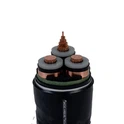
At our company, we're not just any armoured cable supplier. We offer high - quality Mains Armoured Cable and 4 Core Low Voltage Power Cable that are designed to meet the highest standards. Our cables are made from the best materials, ensuring durability and reliability in even the toughest environments.
Whether you're working on a small residential project or a large commercial installation, we've got the right cable for you. Our team of experts is always ready to help you choose the right cable and provide you with all the support you need during the installation process.
If you're interested in purchasing our armoured cables or have any questions about the installation process, don't hesitate to get in touch. We're here to make your cable installation project a success.
References
- Electrical Installation Regulations, various editions.
- Manufacturer's manuals for armoured cables and related equipment.
- Local building and electrical codes.