Hey there! I'm a supplier of 0.6 - 1kv YJV Cable. Today, I wanna share some tips on how to connect this kind of cable. It's super important to get the connection right, 'cause it can affect the performance and safety of your electrical system.
Understanding 0.6 - 1kv YJV Cable
First off, let's talk a bit about 0.6 - 1kv YJV Cable. It's a popular choice in many electrical applications, thanks to its good insulation properties and durability. The "YJV" stands for cross-linked polyethylene insulated PVC sheathed cable, which means it has a strong and reliable insulation layer. This cable is designed to work well in the voltage range of 0.6 - 1kv, making it suitable for a variety of low - to medium - voltage electrical setups, like in residential buildings, small factories, and commercial spaces.
Pre - connection Preparations
Before you start connecting the cable, you gotta do some prep work.
- Safety First: Make sure you turn off the power supply to the area where you'll be working. This is a no - brainer, but it's the most important step. You don't want to get electrocuted! Wear appropriate safety gear, like insulated gloves and safety glasses.
- Inspect the Cable: Check the cable for any visible damage, such as cuts, abrasions, or signs of wear and tear. If you find any issues, it's better to replace the damaged part of the cable. You don't wanna use a faulty cable, as it can lead to electrical problems later on.
- Gather Tools: You'll need a few tools for the job. These include a cable cutter, wire strippers, crimping tools, and electrical tape. Having the right tools makes the connection process much easier and more efficient.
Step - by - Step Connection Process
Now, let's get into the actual connection process.
- Cut the Cable: Use the cable cutter to cut the cable to the desired length. Make sure the cut is clean and straight. This will make it easier to strip the insulation later.
- Strip the Insulation: Use the wire strippers to remove the outer insulation of the cable. The length of the stripped insulation depends on the type of connection you're making, but usually, it's around 5 - 10 centimeters. Be careful not to damage the inner conductors while stripping.
- Prepare the Conductors: Once the insulation is stripped, you may need to twist the individual conductors together to make them more compact. This helps with better conductivity.
- Choose the Right Connector: There are different types of connectors available for 0.6 - 1kv YJV Cable, such as crimp connectors, solder connectors, and bolted connectors. The choice of connector depends on the application and your personal preference. For most general - purpose connections, crimp connectors are a good option.
- Crimp the Connector: If you're using a crimp connector, place the stripped conductor into the connector and use the crimping tool to compress the connector onto the conductor. Make sure the crimp is tight and secure. You can test the connection by gently tugging on the conductor to see if it comes loose.
- Insulate the Connection: After the connector is in place, use electrical tape to insulate the connection. Wrap the tape tightly around the connector and the adjacent cable to prevent any electrical leakage. You can also use heat - shrink tubing for a more professional and secure insulation. Just slide the tubing over the connection and use a heat gun to shrink it in place.
Special Considerations for Different Cable Types
There are some variations of 0.6 - 1kv YJV Cable, like 370 + 235 Xlpe Cable and 4 C Xlpe Swa Pvc Cu Cable.
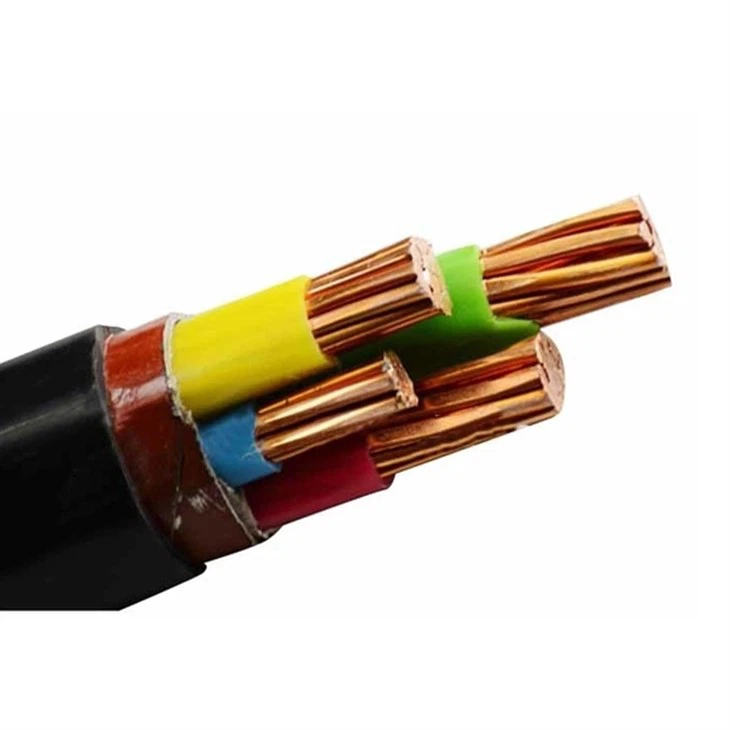

- 370 + 235 Xlpe Cable: This cable has a specific configuration of conductors. When connecting it, you need to pay attention to the color - coding of the conductors. Usually, the three larger conductors are for the phase wires, and the two smaller ones are for the neutral and ground wires. Make sure you connect the right conductors to the right terminals.
- 4 C Xlpe Swa Pvc Cu Cable: This cable has a steel wire armor (SWA) for added protection. When connecting it, you need to first remove the outer PVC sheath and then deal with the armor. You can use a special tool to cut the armor and expose the inner conductors. After the connection, make sure to properly re - insulate the armor to maintain its protective function.
Testing the Connection
Once you've completed the connection, it's crucial to test it.
- Visual Inspection: First, do a visual check to make sure everything looks okay. Check for any loose connections, exposed conductors, or improper insulation.
- Electrical Testing: Use a multimeter or other electrical testing equipment to check the continuity and insulation resistance of the connection. Make sure the resistance values are within the acceptable range. If you find any issues, go back and re - check the connection.
Why Choose Our 0.6 - 1kv YJV Cable
If you're in the market for 0.6 - 1kv YJV Cable, I highly recommend considering our products. We offer high - quality cables that meet all the industry standards. Our cables are made from the best materials, which ensures their reliability and long - term performance. Whether you need 370 + 235 Xlpe Cable or 4 C Xlpe Swa Pvc Cu Cable, we've got you covered.
If you're interested in purchasing our cables or have any questions about the connection process or our products in general, don't hesitate to reach out. We're here to help you make the right choice for your electrical needs.
References
- Electrical Installation Manuals
- Cable Manufacturer's Technical Guides
- Industry Standards for Low - Voltage Cable Connections