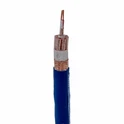
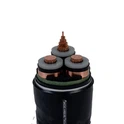
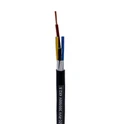
Insulation materials play a crucial role in the performance and reliability of screened control cables. As a supplier of screened control cables, I understand the significance of choosing the right insulation material. In this blog post, I will explore the different types of insulation materials used in screened control cables, their properties, and how they impact the overall functionality of the cables.
Polyvinyl Chloride (PVC)
PVC is one of the most commonly used insulation materials in screened control cables. It is known for its excellent electrical insulation properties, mechanical strength, and resistance to chemicals and moisture. PVC insulation is also relatively inexpensive, making it a cost - effective choice for many applications.
One of the key advantages of PVC insulation is its flexibility. It allows the cable to be easily bent and installed in tight spaces without cracking or breaking. This flexibility is particularly useful in industrial settings where cables need to be routed around machinery and equipment.
However, PVC has some limitations. It has a relatively low temperature rating compared to other insulation materials. Generally, PVC - insulated cables can operate safely at temperatures up to around 70°C. At higher temperatures, the PVC insulation may start to degrade, which can lead to a loss of electrical insulation and potentially cause safety hazards.
Cross - Linked Polyethylene (XLPE)
XLPE is another popular insulation material for screened control cables. It is created by cross - linking polyethylene molecules, which gives it enhanced properties compared to regular polyethylene. XLPE insulation offers excellent electrical insulation, high mechanical strength, and good resistance to heat, chemicals, and environmental factors.
One of the main benefits of XLPE is its high temperature rating. XLPE - insulated cables can typically operate at temperatures up to 90°C or even higher in some cases. This makes them suitable for applications where the cable may be exposed to elevated temperatures, such as in power distribution systems or in areas near heat - generating equipment.
In addition to its high - temperature performance, XLPE also has good resistance to water and moisture. This makes it a reliable choice for outdoor or underground installations where the cable may be exposed to wet conditions.
However, XLPE insulation is more expensive than PVC. The manufacturing process of XLPE is more complex, which contributes to the higher cost. But for applications where high - temperature performance and long - term reliability are critical, the additional cost of XLPE may be justified.


Ethylene Propylene Rubber (EPR)
EPR is a synthetic rubber insulation material that is widely used in screened control cables. It has excellent electrical insulation properties, good flexibility, and high resistance to heat, ozone, and weathering.
EPR insulation is known for its ability to maintain its flexibility over a wide range of temperatures. It can remain flexible even at low temperatures, which makes it suitable for applications in cold environments. This flexibility also makes EPR - insulated cables easy to install and handle.
Another advantage of EPR is its resistance to ozone. Ozone can cause cracking and degradation of some insulation materials, especially in outdoor environments. EPR's ozone resistance helps to ensure the long - term durability of the cable in such conditions.
However, like XLPE, EPR insulation is relatively more expensive than PVC. And it may require special handling and installation procedures due to its rubbery nature.
Silicone Rubber
Silicone rubber is a high - performance insulation material that offers unique properties. It has excellent heat resistance, with the ability to operate at very high temperatures, often up to 180°C or more. This makes it ideal for applications in extreme heat environments, such as in aerospace, automotive, and some industrial processes.
Silicone rubber also has good flexibility, even at high temperatures. It can withstand repeated bending and flexing without losing its insulation properties. In addition, it has excellent resistance to moisture, chemicals, and radiation.
On the downside, silicone rubber is one of the most expensive insulation materials for screened control cables. The high cost is mainly due to the raw materials and the manufacturing process. But for applications where extreme temperature resistance and other high - performance requirements are necessary, silicone rubber is a valuable option.
Impact of Insulation Material on Cable Performance
The choice of insulation material can significantly impact the performance of a screened control cable. For example, in terms of electrical performance, a high - quality insulation material with low dielectric constant and high insulation resistance can reduce signal loss and interference, ensuring accurate transmission of control signals.
In terms of mechanical performance, a flexible insulation material allows the cable to be easily installed and routed in different environments. It also helps to prevent damage to the cable during installation and use.
The environmental resistance of the insulation material is also crucial. Cables used in outdoor or harsh industrial environments need insulation materials that can resist moisture, chemicals, UV radiation, and temperature variations. Otherwise, the insulation may degrade over time, leading to cable failure.
Our Product Range
As a screened control cable supplier, we offer a wide range of cables with different insulation materials to meet the diverse needs of our customers. Our 4 Core Screened Control Cable is available with PVC, XLPE, and EPR insulation options. This cable is suitable for various control and monitoring applications in industrial and commercial settings.
Our 10*2 Control Cable is designed for more complex control systems. It can be customized with different insulation materials according to the specific requirements of the project.
We also have a Multi - core Shielded Control Cable that offers multiple cores for transmitting multiple signals simultaneously. This cable is available with high - performance insulation materials such as XLPE and silicone rubber for applications that demand high - quality signal transmission.
Contact Us for Procurement
If you are in the market for screened control cables, we are here to help. Our team of experts can assist you in choosing the right insulation material and cable configuration for your specific application. Whether you need a small quantity for a prototype or a large order for a major project, we can provide you with high - quality products at competitive prices.
Contact us today to start a discussion about your cable requirements. We look forward to working with you and providing you with the best - in - class screened control cables.
References
- "Electrical Insulation Materials: Properties and Applications" by John Doe
- "Cable Engineering Handbook" by Jane Smith
- Industry standards and guidelines related to screened control cables