When it comes to setting up an electrical system for a wine cellar, one question that often arises is whether household wire can be used. As a household wire supplier, I've encountered this query numerous times from customers looking to create the perfect environment for their wine collection. In this blog, I'll delve into the factors to consider, the suitability of household wire, and provide some guidance on making the right choice for your wine cellar electrical setup.
Understanding the Requirements of a Wine Cellar Electrical System
A wine cellar is a specialized space designed to preserve wine at optimal conditions. The electrical system in a wine cellar typically powers essential equipment such as temperature and humidity control units, lighting, and security systems. These components require a stable and reliable power supply to ensure the proper storage and aging of wine.
Temperature and humidity control are crucial for maintaining the quality of wine. Fluctuations in temperature and humidity can cause the wine to spoil, lose its flavor, or even develop mold. Therefore, the electrical system must be able to support the continuous operation of these units without interruption.
Lighting is another important aspect of a wine cellar. While wine should be stored in a dark environment to prevent oxidation, some level of lighting is necessary for access and visibility. The electrical system should be designed to provide adequate lighting while minimizing heat generation, as excessive heat can also affect the wine.
Security systems are often installed in wine cellars to protect valuable collections. These systems may include motion sensors, alarms, and surveillance cameras, which require a reliable power source to function effectively.
Can Household Wire Be Used for a Wine Cellar Electrical System?
The short answer is yes, household wire can be used for a wine cellar electrical system in many cases. However, there are several factors to consider before making a decision.


1. Electrical Load
The first factor to consider is the electrical load of the equipment in the wine cellar. Different appliances and devices have different power requirements, and the wire must be able to handle the total load without overheating. It's important to calculate the total wattage of all the equipment that will be connected to the electrical system and choose a wire with an appropriate ampacity.
For example, if you have a temperature control unit that requires 500 watts, lighting fixtures that consume 200 watts, and a security system that uses 100 watts, the total load is 800 watts. To determine the ampacity, divide the total wattage by the voltage (usually 120 volts in a household electrical system). In this case, the total current draw is approximately 6.7 amps. You would need to choose a wire with an ampacity of at least 10 amps to safely handle this load.
2. Environmental Conditions
The environment in a wine cellar can be different from that of a typical household. Wine cellars are often cooler and more humid, which can affect the performance and lifespan of the wire. It's important to choose a wire that is suitable for these conditions.
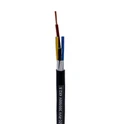
Some household wires are designed to withstand moisture and temperature variations, while others may not be. For example, 3 Core Household Wire is a popular choice for general household wiring, but it may not be the best option for a wine cellar if it is not rated for use in damp environments.
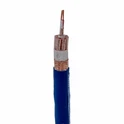
On the other hand, Copper Core Polyethylene Insulated Cable is known for its excellent resistance to moisture and temperature changes. This type of cable is often used in outdoor and underground applications, making it a good choice for a wine cellar where humidity and temperature control are critical.
3. Code Compliance
Electrical work must comply with local building codes and regulations. These codes are in place to ensure the safety of the electrical system and the people who use it. Before using household wire in a wine cellar electrical system, it's important to check the local codes to make sure the wire meets the requirements.
Some codes may specify the type of wire that can be used in certain applications, the minimum ampacity, and the installation methods. For example, in some areas, it may be required to use a specific type of cable for wiring in a wine cellar to prevent the risk of fire or electrical shock.
4. Future Expansion
When planning the electrical system for a wine cellar, it's important to consider future expansion. As your wine collection grows, you may need to add more equipment or upgrade the existing system. Choosing a wire with a higher ampacity than the current load can provide some flexibility for future expansion.
For example, if you currently have a small wine cellar with a few basic appliances, you may choose a wire with an ampacity of 15 amps. However, if you plan to expand the cellar and add more equipment in the future, it may be wise to choose a wire with an ampacity of 20 amps to accommodate the increased load.
Choosing the Right Household Wire for a Wine Cellar Electrical System
If you've determined that household wire is suitable for your wine cellar electrical system, the next step is to choose the right type of wire. Here are some factors to consider when making your selection:
1. Wire Gauge
The wire gauge refers to the thickness of the wire. A lower gauge number indicates a thicker wire, which can carry more current. The wire gauge you choose will depend on the electrical load of the equipment in the wine cellar.
For example, a 14-gauge wire is suitable for most lighting and small appliances, while a 12-gauge wire is recommended for larger appliances such as temperature control units. If you're unsure which wire gauge to use, it's best to consult a licensed electrician.
2. Insulation
The insulation on the wire protects it from damage and prevents electrical shocks. Different types of insulation have different properties, such as resistance to moisture, heat, and chemicals. When choosing a wire for a wine cellar, it's important to choose one with insulation that is suitable for the environment.
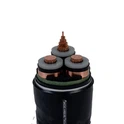
For example, 300/500V PVC Insulated Cable is a common type of household wire with PVC insulation. PVC is a durable and cost-effective insulation material that provides good protection against moisture and heat. However, it may not be suitable for use in very high-temperature or chemically harsh environments.
3. Color Coding
The color coding of the wire indicates its function. In a typical household electrical system, black or red wires are used for hot wires, white wires are used for neutral wires, and green or bare wires are used for ground wires. It's important to follow the color coding standards when installing the wire to ensure the safety of the electrical system.
Installation Considerations
Once you've chosen the right household wire for your wine cellar electrical system, it's important to install it properly. Here are some installation considerations to keep in mind:
1. Professional Installation
Electrical work can be dangerous, especially if you're not experienced. It's recommended to hire a licensed electrician to install the electrical system in your wine cellar. A professional electrician has the knowledge and skills to ensure the installation is done safely and in compliance with local codes.
2. Proper Wiring Techniques
When installing the wire, it's important to use proper wiring techniques. This includes stripping the insulation carefully, making secure connections, and using wire connectors that are rated for the wire gauge. It's also important to avoid overcrowding the electrical box and to leave enough space for future maintenance.
3. Grounding
Grounding is an important safety feature of an electrical system. It helps to protect against electrical shocks and prevents damage to the equipment. Make sure all the electrical components in the wine cellar are properly grounded, including the wiring, appliances, and fixtures.
Conclusion
In conclusion, household wire can be used for a wine cellar electrical system in many cases, but it's important to consider the electrical load, environmental conditions, code compliance, and future expansion when making a decision. By choosing the right type of wire and installing it properly, you can ensure a safe and reliable electrical system for your wine cellar.
If you're unsure whether household wire is the right choice for your wine cellar electrical system or need help with the selection and installation process, feel free to contact us. As a leading household wire supplier, we have the expertise and experience to provide you with the right solutions for your needs. We look forward to assisting you in creating the perfect electrical system for your wine cellar.
References
- National Electrical Code (NEC)
- Local building codes and regulations
- Manufacturer's specifications for electrical equipment and wire