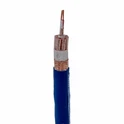
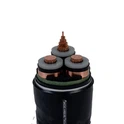
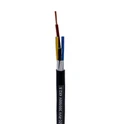
Hey there! As a supplier of electrical wires, I get asked all the time about how to connect two electrical wires together safely. It's a super important topic because if you don't do it right, it can lead to all sorts of problems, like electrical shocks, fires, or just a connection that doesn't work properly. So, I thought I'd share some tips and tricks to make sure you can handle this task safely and effectively.
Why Safety Matters
Let's start with why safety is such a big deal when connecting electrical wires. Electricity is powerful stuff, and if it doesn't flow the way it's supposed to or gets out of control, it can cause serious harm. That's why we've got all these safety standards and guidelines. Whether you're working on a small DIY project at home or a big industrial job, taking the right precautions can save you from a world of trouble.
Tools You'll Need
Before you start connecting wires, you'll need to gather a few tools. Here's a basic list:
- Wire strippers: These are used to remove the insulation from the ends of the wires. You need to expose just the right amount of bare wire for a good connection.
- Electrical tape: This is used to insulate the connection and prevent any exposed wires from coming into contact with other conductors or causing a short circuit.
- Wire nuts: These are small plastic caps that twist onto the ends of the wires to hold them together. They come in different sizes, so you need to choose the right one for your wires.
- Screwdriver: Depending on the type of connection you're making, you might need a screwdriver to tighten terminal screws.
Step-by-Step Guide to Connecting Wires
Now, let's get into the actual process of connecting two electrical wires. Here are the steps:
Step 1: Turn Off the Power
This is the most important step. Before you touch any wires, make sure the power is turned off at the circuit breaker or fuse box. This will prevent you from getting shocked. You can use a voltage tester to double-check that the power is off.


Step 2: Prepare the Wires
Take the two wires you want to connect and use the wire strippers to remove about half an inch to three-quarters of an inch of insulation from the ends. Make sure you don't nick the wire while you're stripping it, as this can weaken the connection.
Step 3: Choose the Right Connection Method
There are a few different ways to connect wires, and the method you choose depends on the type of wires and the application. Here are some common methods:
- Twist and Tape: This is the simplest method. Just twist the bare ends of the wires together tightly in a clockwise direction. Make sure the wires are fully engaged and there are no loose strands. Then, wrap electrical tape around the connection to insulate it. This method is suitable for small, low-voltage applications, like connecting wires in a lamp or a doorbell.
- Wire Nuts: Wire nuts are a more reliable and professional way to connect wires. Just insert the bare ends of the wires into the wire nut and twist it clockwise until it's tight. You should be able to tug on the wires gently without them coming loose. This method is commonly used in household electrical wiring.
- Soldering: Soldering is a more permanent and secure way to connect wires. It involves melting a small amount of solder onto the twisted wires to create a strong bond. However, soldering requires some skill and special equipment, so it's not recommended for beginners.
Step 4: Insulate the Connection
Once you've connected the wires, it's important to insulate the connection to prevent any exposed wires from causing a short circuit. You can use electrical tape to wrap the connection tightly, making sure to cover all the bare wire. You can also use heat shrink tubing, which provides a more professional and durable insulation.
Step 5: Test the Connection
After you've insulated the connection, turn the power back on and test the connection to make sure it's working properly. You can use a multimeter to check the voltage and resistance of the connection. If everything looks good, you're done!
Special Considerations
There are a few special considerations you need to keep in mind when connecting electrical wires:
- Matching Wire Sizes: Make sure the two wires you're connecting are the same size. If the wires are different sizes, the connection may not be secure and could overheat.
- Using the Right Type of Wire: Different applications require different types of wire. For example, if you're connecting wires in a high-voltage or high-current application, you need to use a wire that's rated for that voltage and current. Check out our Double Core Pvc Insulated Wire and PVC Insulated Household Wire for some great options.
- Grounding: If you're working on a circuit that requires grounding, make sure you connect the ground wire properly. This will help protect you from electrical shocks and prevent damage to your equipment.
- Underground Wires: If you're connecting underground wires, you need to use a wire that's specifically designed for underground use. Our 2.0 Awg Copper Underground Wire is a great choice for this type of application.
Conclusion
Connecting two electrical wires together safely is not as difficult as it may seem, but it does require some knowledge and the right tools. By following the steps outlined in this blog post and taking the necessary safety precautions, you can make sure your wire connections are secure and reliable. If you have any questions or need more information about electrical wires or wire connections, don't hesitate to reach out. We're here to help you find the right products for your needs and ensure your electrical projects are a success. Whether you're a DIY enthusiast or a professional electrician, we've got the high-quality electrical wires you need. So, if you're in the market for electrical wires, let's start a conversation and see how we can work together.
References
- Electrical Safety Foundation International. (2023). Electrical Safety Tips.
- National Electrical Code. (2023). Electrical Wiring Standards.