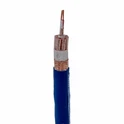
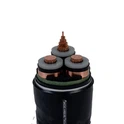
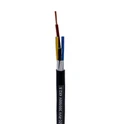
Hey there! As a supplier of Fire Resistant Control Wire, I often get asked about how the fire-resistance level of these wires is determined. It's a crucial question, especially when it comes to ensuring the safety of electrical systems in various settings. So, let's dive right in and explore this topic together.
Understanding the Basics of Fire-Resistant Control Wires
First off, what exactly are fire-resistant control wires? Well, these are specialized cables designed to maintain their functionality even in the event of a fire. They're used in a wide range of applications, from industrial plants to commercial buildings and even some residential settings. Unlike regular cables, fire-resistant control wires are built to withstand high temperatures and prevent the spread of fire.
Factors Affecting Fire-Resistance Levels
Now, let's talk about the factors that determine the fire-resistance level of these wires. It's not just a single thing; there are several key elements at play.
Insulation Materials
One of the most important factors is the type of insulation material used. Different materials have different thermal properties, which directly impact the wire's ability to resist fire. For example, PVC Insulated Control Cable is a common type, but not all PVCs are created equal. Some are formulated with fire-retardant additives that help them self-extinguish when exposed to flame. Other materials like mica and ceramic fiber are also known for their excellent fire resistance. Mica can withstand extremely high temperatures and acts as a barrier to prevent the fire from reaching the conductor inside the wire.
Conductor Quality
The quality of the conductor also matters. A good conductor can carry electrical current efficiently, even under high-stress conditions like a fire. High-purity copper is a popular choice for fire-resistant control wires because of its excellent conductivity and ability to withstand heat without melting or deforming easily.
Jacket Design
The outer jacket of the wire plays a crucial role in protecting the insulation and conductor from fire. It should be made of a material that is not only fire-resistant but also durable enough to resist mechanical damage. Some jackets are designed to char when exposed to fire, creating a protective layer that further insulates the wire.
Testing Methods for Fire Resistance
To determine the fire-resistance level of fire-resistant control wires, several standardized testing methods are used. These tests simulate real-world fire conditions and measure the wire's performance under those circumstances.
Vertical Flame Test
One of the most common tests is the vertical flame test. In this test, a sample of the wire is suspended vertically and exposed to a flame for a specified period. The wire is then evaluated based on how quickly it self-extinguishes and whether it spreads the fire to other parts of the test apparatus. If the wire stops burning within a certain time frame and doesn't cause the flame to spread, it passes the test.
Temperature Rating Test
The temperature rating test is another important one. This test measures how well the wire can maintain its electrical properties at high temperatures. A sample of the wire is placed in a furnace and slowly heated to a specified temperature. The electrical resistance and other properties of the wire are monitored throughout the test. If the wire continues to function properly within the specified temperature range, it meets the required temperature rating.
Smoke and Toxicity Test
In addition to fire resistance, it's also important to consider the smoke and toxicity levels produced by the wire when it burns. The smoke and toxicity test measures the amount of smoke and toxic gases released by the wire during a fire. Wires that produce low levels of smoke and toxic gases are preferred, especially in enclosed spaces where smoke inhalation can be a major hazard.
Industry Standards and Certifications
There are several industry standards and certifications that regulate the fire-resistance level of control wires. These standards ensure that the wires meet certain safety requirements and perform consistently in real-world applications.
UL Standards
The Underwriters Laboratories (UL) is a well-known organization that sets standards for electrical products, including fire-resistant control wires. UL 1424 is a standard for fire-resistant cables used in building wiring. Wires that meet this standard are tested for flame spread, smoke generation, and other fire-related properties.
IEC Standards
The International Electrotechnical Commission (IEC) also has standards for fire-resistant control wires. IEC 60331 is a standard that covers cables for use in circuits where circuit integrity is required during a fire. Wires that meet this standard are tested for their ability to maintain electrical continuity under fire conditions.
Why Fire Resistance Matters
You might be wondering why all this talk about fire resistance is so important. Well, the answer is simple: safety. In a fire, electrical systems can be a major source of ignition and can also spread the fire if the wires are not fire-resistant. By using fire-resistant control wires, you can reduce the risk of electrical fires and ensure that critical electrical systems, such as emergency lighting and fire alarms, continue to function during a fire.
Our Offerings as a Supplier
As a supplier of Fire Resistant Control Wire, we take pride in offering high-quality products that meet or exceed industry standards. Our wires are made with the best insulation materials, high-quality conductors, and durable jackets to ensure maximum fire resistance. We also offer a range of other control cables, such as PVC Lighting Control Cable, to meet the diverse needs of our customers.
Contact Us for Your Fire-Resistant Control Wire Needs
If you're in the market for fire-resistant control wires or have any questions about our products, don't hesitate to reach out. We're here to help you find the right solution for your specific requirements. Whether you're working on a small residential project or a large industrial installation, we have the expertise and products to meet your needs.
References
- Electrical Wiring Handbook, 19th Edition
- UL Standards for Safety
- IEC International Standards
So, that's a wrap on how the fire-resistance level of fire-resistant control wires is determined. I hope this blog post has been informative and helpful. If you have any more questions, feel free to drop them in the comments or contact us directly. Stay safe!