


Stripping the insulation off an electrical wire is a fundamental skill that comes in handy for a whole bunch of electrical projects. Whether you're a DIY enthusiast looking to do some home wiring or a professional electrician, knowing how to strip wire insulation properly is super important. As an electrical wire supplier, I've seen firsthand how crucial it is to get this right. So, let's dive into the details of how to strip the insulation off an electrical wire.
Why Stripping Insulation is Necessary
Before we get into the how - to, let's talk about why we need to strip the insulation in the first place. Electrical wire insulation serves as a protective layer. It prevents the electrical current from leaking out, which could cause short - circuits, electrical shocks, or even fires. But when you're connecting wires, you need to expose the conductive metal inside the insulation to make a proper electrical connection.
Tools You'll Need
There are several tools you can use to strip wire insulation. Each has its own pros and cons, and the choice depends on the type of wire and the project you're working on.
Wire Strippers
Wire strippers are the most common tool for this job. They're designed specifically to remove insulation from wires. Most wire strippers have different sized holes or notches for different wire gauges. You simply insert the wire into the appropriate hole, squeeze the handles, and pull the tool along the wire to remove the insulation. They're easy to use and very efficient for small to medium - sized wires.
Utility Knife
A utility knife can also be used to strip wire insulation, especially for larger wires or when you don't have wire strippers handy. However, it requires more skill and caution. You need to make a shallow cut around the insulation without cutting into the wire itself. Then, you can peel the insulation away. This method is a bit more time - consuming and has a higher risk of damaging the wire.
Heat Gun
For some types of insulation, a heat gun can be a useful tool. By applying heat to the insulation, it becomes softer and easier to remove. You need to be careful not to overheat the wire, as this can damage the conductor. After heating, you can use a pair of pliers or your fingers to peel the insulation off.
Step - by - Step Guide to Stripping Insulation
Now, let's go through the process of stripping insulation using wire strippers, which is the most straightforward method.
Step 1: Determine the Wire Gauge
The first thing you need to do is figure out the gauge of the wire you're working with. Wire gauge refers to the thickness of the wire. You can usually find the gauge marked on the wire insulation. If not, you can use a wire gauge tool to measure it. This is important because you need to use the correct hole or notch on the wire strippers for the specific wire gauge.
Step 2: Select the Right Hole on the Wire Strippers
Once you know the wire gauge, find the corresponding hole on the wire strippers. Insert the wire into the hole until it reaches the stop. Make sure the wire is centered in the hole.
Step 3: Squeeze the Handles
Gently squeeze the handles of the wire strippers. You should feel the blades of the strippers cutting into the insulation but not the wire. The pressure should be firm enough to cut through the insulation but not so hard that it damages the wire.
Step 4: Pull the Strippers
While still squeezing the handles, pull the wire strippers along the wire. The insulation should come off in one piece. If it doesn't, you may need to adjust the pressure or make sure you're using the correct hole for the wire gauge.
Types of Electrical Wires and Their Insulation
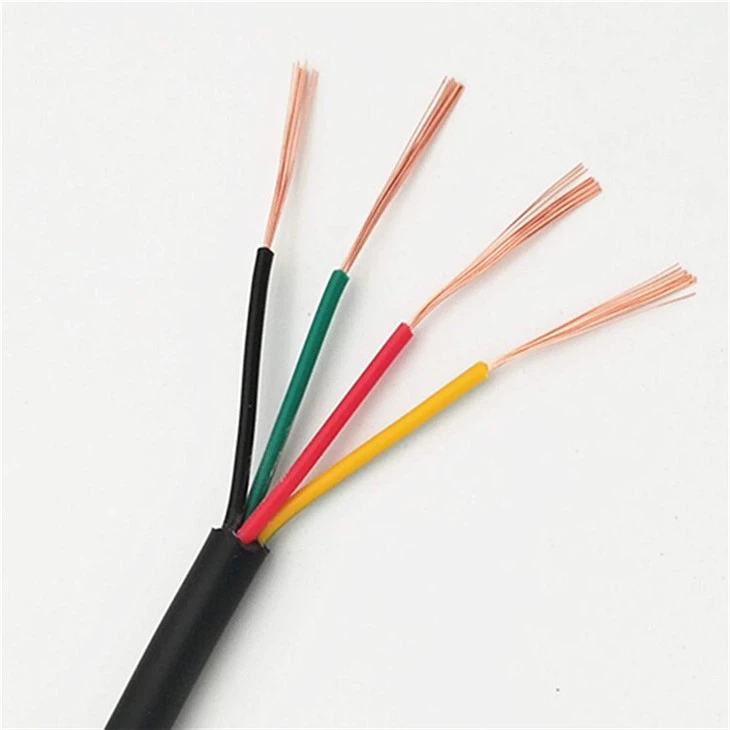
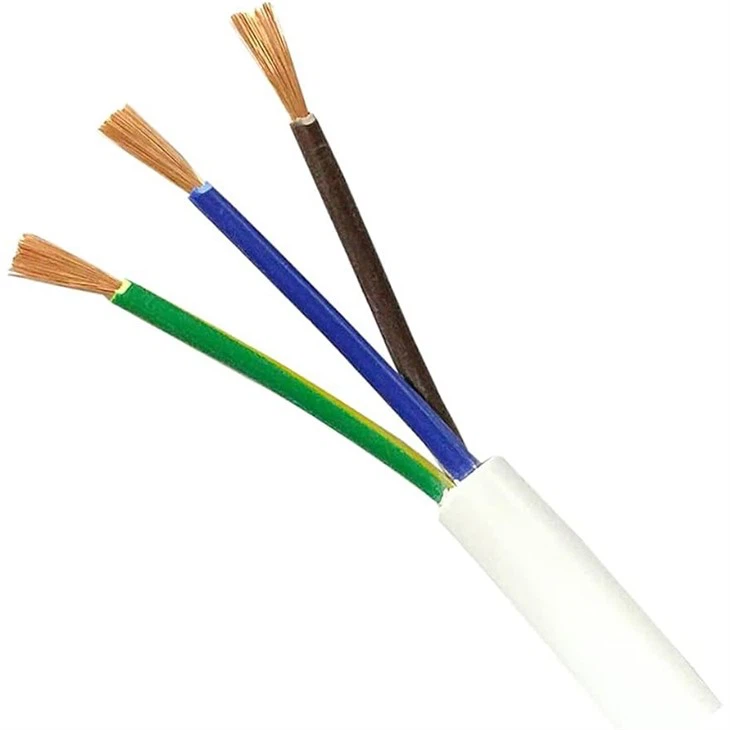
There are different types of electrical wires with various types of insulation. As an electrical wire supplier, I offer a wide range of wires, such as the Electric Insulated 300 - 500V Cable, Hookup Wire 240 Volt Wire, and PVC Insulated Household Wire.
PVC Insulated Wires
PVC (Polyvinyl Chloride) is a common type of insulation for electrical wires. It's durable, flexible, and resistant to moisture and chemicals. Stripping PVC - insulated wires is usually straightforward using wire strippers.
Rubber Insulated Wires
Rubber - insulated wires are often used in applications where flexibility is required, such as in appliances or extension cords. The rubber insulation can be a bit tougher to strip compared to PVC. A heat gun can be helpful in removing rubber insulation, as it softens the rubber and makes it easier to peel off.
Safety Precautions
Stripping electrical wire insulation involves working with electricity, so safety should be your top priority.
Turn off the Power
Before you start stripping wires, make sure the power is turned off at the source. This will prevent electrical shocks. Use a voltage tester to double - check that there is no power in the wire.
Wear Protective Gear
Wear safety glasses to protect your eyes from any flying insulation or wire fragments. Gloves can also be a good idea to protect your hands from sharp edges on the wire or tools.
Be Careful with Tools
When using a utility knife or other sharp tools, be careful not to cut yourself. Keep your fingers away from the blade and use the tools as intended.
Troubleshooting
Sometimes, things don't go as smoothly as planned when stripping wire insulation. Here are some common problems and how to fix them.
Insulation Won't Come Off
If the insulation won't come off easily, it could be because you're using the wrong tool or the wrong size hole on the wire strippers. Try using a different tool or adjusting the size setting on the strippers. If the insulation is very tough, a heat gun may help.
Damaged Wire
If you accidentally cut into the wire while stripping the insulation, the wire may be damaged. You can try to repair it by soldering the damaged part, but in some cases, it may be better to replace the wire.
Conclusion
Stripping the insulation off an electrical wire is a skill that everyone working with electricity should know. With the right tools, a bit of practice, and some safety precautions, you can do it quickly and effectively. As an electrical wire supplier, I can provide you with high - quality wires for your projects. Whether you need Electric Insulated 300 - 500V Cable, Hookup Wire 240 Volt Wire, or PVC Insulated Household Wire, I've got you covered. If you're interested in purchasing our electrical wires or have any questions about wire stripping or electrical projects, feel free to reach out. We're here to help you with all your electrical wire needs.
References
- "Electrical Wiring Handbook" by Mike Holt
- Various industry - standard electrical manuals for wire handling and safety


