Can I use electrical wire in a wet location? This is a question that many people, especially those involved in electrical installations or DIY projects, often ask. As an electrical wire supplier, I have encountered this query numerous times, and I am here to provide you with a comprehensive answer based on scientific knowledge and industry standards.
Understanding the Risks of Using Electrical Wires in Wet Locations
Water and electricity are a dangerous combination. When electrical wires are exposed to moisture, several risks can occur. Firstly, water is a conductor of electricity. If water comes into contact with live electrical wires, it can create a path for the current to flow outside of the intended circuit. This can lead to electrical shocks, which can be fatal to humans and animals. Secondly, moisture can cause corrosion of the wire's conductors and insulation. Corrosion weakens the wire, reducing its conductivity and increasing the risk of overheating, which can in turn lead to electrical fires.
Types of Electrical Wires and Their Suitability for Wet Locations
Not all electrical wires are created equal when it comes to wet locations. Some wires are specifically designed to withstand moisture, while others are not. Let's take a look at some common types of electrical wires and their suitability for wet environments.
Hookup Wire 240 Volt Wire
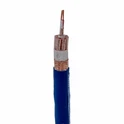
Hookup Wire 240 Volt Wire is often used for general electrical connections. However, standard hookup wires are usually not suitable for wet locations. They typically have thin insulation that may not provide adequate protection against moisture. If you need to use a 240-volt wire in a wet area, you should look for a wire that is specifically rated for wet locations. These wires often have thicker insulation and may be made of materials that are resistant to water damage.
Hookup Wire 450V Cable
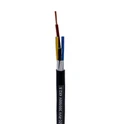
Hookup Wire 450V Cable is another type of wire commonly used in electrical systems. Similar to the 240-volt hookup wire, standard 450V cables may not be suitable for wet locations. However, there are moisture-resistant versions available on the market. These cables are designed to prevent water from penetrating the insulation and reaching the conductors. They may have a special outer jacket that is waterproof or water-resistant, providing an extra layer of protection.
Cross Linked Polyethylene Wire
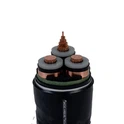
Cross Linked Polyethylene Wire is known for its excellent electrical and mechanical properties. It has good resistance to heat, chemicals, and moisture. This makes it a suitable choice for wet locations. Cross-linked polyethylene (XLPE) insulation is highly durable and can withstand exposure to water without degrading. It also has a high dielectric strength, which means it can effectively insulate the conductors even in wet conditions.
Factors to Consider When Using Electrical Wires in Wet Locations
If you decide to use electrical wires in a wet location, there are several factors you need to consider to ensure safety and proper performance.
Wire Rating
The wire rating is one of the most important factors. Make sure the wire you choose is rated for wet locations. This information is usually printed on the wire's insulation. Look for ratings such as "Wet Location" or "Moisture Resistant." Using a wire that is not rated for wet conditions can pose a significant safety hazard.
Installation Method
Proper installation is crucial when using electrical wires in wet locations. The wires should be installed in a way that minimizes their exposure to water. For example, they should be installed in conduit or raceways that are designed to keep water out. The conduit should be sealed properly to prevent water from entering. Additionally, all connections should be made using waterproof connectors to prevent water from seeping into the joints.
Maintenance
Regular maintenance is necessary to ensure the continued safety and performance of electrical wires in wet locations. Inspect the wires periodically for signs of damage, such as corrosion, cracking, or peeling insulation. If any damage is found, the affected section of the wire should be replaced immediately.
Industry Standards and Regulations
There are strict industry standards and regulations regarding the use of electrical wires in wet locations. These standards are in place to protect people and property from the dangers of electrical hazards. For example, the National Electrical Code (NEC) in the United States provides guidelines for the installation of electrical systems, including the use of wires in wet environments. It is important to comply with these standards to ensure that your electrical installation is safe and legal.
Conclusion
In conclusion, while it is possible to use electrical wires in wet locations, it is essential to choose the right type of wire and follow proper installation and maintenance procedures. Not all wires are suitable for wet environments, and using the wrong wire can lead to serious safety risks. As an electrical wire supplier, I recommend using wires that are specifically rated for wet locations, such as Cross Linked Polyethylene Wire. If you are unsure which wire is best for your application, or if you need more information about using electrical wires in wet locations, please feel free to contact us. We have a team of experts who can provide you with professional advice and help you select the right products for your project.
If you are interested in purchasing high-quality electrical wires for your wet location projects, we invite you to reach out to us for a detailed discussion. Our dedicated team is ready to assist you in finding the most suitable solutions and can provide you with competitive pricing and excellent customer service.


References
- National Electrical Code (NEC)
- Electrical Wiring Handbook