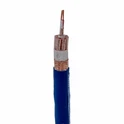
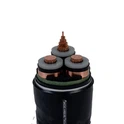
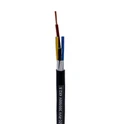
Hey there! As a supplier of 3 Core Household Wire, I've got a ton of hands - on experience and knowledge about these wires. And today, I'm gonna share with you how to terminate 3 Core Household Wire.
First off, let's understand what 3 Core Household Wire is. It's a type of wire commonly used in residential electrical systems. The three cores usually serve different purposes. One is the live wire, which carries the electrical current from the power source. Another is the neutral wire, which provides the return path for the current. And the third one is the earth wire, which is crucial for safety as it protects against electrical faults.
We offer a variety of 3 Core Household Wires. For instance, our Electrical Wire for House Lights is specifically designed for lighting circuits in your home. It's reliable and can handle the electrical load required for your lights. Also, our Copper Core Polyethylene Insulated Cable is a great choice. The copper core ensures good conductivity, and the polyethylene insulation provides excellent protection. And then there's our 300/500V PVC Insulated Cable, which is suitable for a wide range of household electrical applications.
Now, let's get into the process of terminating 3 Core Household Wire.
Step 1: Gather the Necessary Tools
Before you start, you'll need some tools. You'll need a wire stripper. This is used to remove the insulation from the ends of the wire. Make sure to choose a wire stripper that's appropriate for the gauge of your 3 Core Household Wire. You'll also need a screwdriver, depending on the type of termination you're doing. If you're using terminal blocks or connectors, a screwdriver will be essential for tightening the screws. And don't forget about electrical tape. It's used to insulate the connections and prevent any short - circuits.
Step 2: Turn Off the Power
This is super important. Before you start working on any electrical wiring, you need to turn off the power at the circuit breaker. This will prevent you from getting an electric shock. Locate the circuit breaker that controls the circuit where you'll be terminating the wire and switch it off. You can also use a voltage tester to double - check that the power is off. Just touch the tester to the exposed ends of the wire, and if it doesn't light up, you're good to go.
Step 3: Strip the Wires
Once the power is off, it's time to strip the insulation from the ends of the 3 Core Household Wire. Use the wire stripper to carefully remove about 1/2 to 3/4 inches of insulation from each of the three cores. Be careful not to nick or damage the copper conductors inside. If you nick the conductor, it can weaken the wire and cause problems later on.
Step 4: Choose the Termination Method
There are a few different ways to terminate 3 Core Household Wire.
Terminal Blocks
Terminal blocks are a popular choice. They're easy to use and provide a secure connection. To use a terminal block, simply insert the stripped ends of the wire into the appropriate terminals. Then, use the screwdriver to tighten the screws. Make sure the wire is firmly held in place. You can connect multiple wires to a terminal block if needed, but make sure not to overload it.
Wire Nuts
Wire nuts are another option. They're small, plastic caps that you twist onto the ends of the wires. To use a wire nut, first, twist the stripped ends of the wires together. Then, place the wire nut over the twisted wires and twist it clockwise until it's tight. The wire nut will hold the wires together and insulate the connection.
Crimp Connectors
Crimp connectors are a bit more professional. You'll need a crimping tool for this method. First, insert the stripped wire into the crimp connector. Then, use the crimping tool to compress the connector onto the wire. This creates a strong, permanent connection.


Step 5: Insulate the Connections
After you've terminated the wires, it's time to insulate the connections. Electrical tape is your friend here. Wrap the electrical tape tightly around the connections to prevent any exposed conductors. Make sure to cover the entire connection and overlap the tape slightly. This will ensure that the connection is well - insulated and safe.
Step 6: Test the Connection
Once you've insulated the connections, it's a good idea to test them. Turn the power back on at the circuit breaker. Use a voltage tester to check if the circuit is working properly. If everything is okay, you should see the tester light up when you touch it to the appropriate parts of the circuit.
Step 7: Secure the Wires
Finally, make sure to secure the wires in place. You can use cable clips or ties to keep the wires organized and prevent them from moving around. This will help to prevent any damage to the wires over time.
Terminating 3 Core Household Wire isn't too difficult if you follow these steps. But always remember to prioritize safety. If you're not confident in your abilities, it's best to hire a professional electrician.
If you're in the market for high - quality 3 Core Household Wire, we've got you covered. Our wires are made from top - notch materials and are designed to meet the highest safety standards. Whether you're working on a small DIY project or a large - scale electrical installation, our products are a great choice.
If you're interested in our products, feel free to reach out for a purchase negotiation. We're always happy to discuss your needs and provide you with the best solutions.
References
- Electrical Wiring Handbook, various editions
- National Electrical Code standards for household wiring