


Lightning strikes are a natural phenomenon that can cause significant damage to electrical systems. As an armoured cable supplier, understanding the lightning - protection capabilities of our products is crucial. In this blog, we will explore the various aspects of how armoured cables can protect against lightning and why they are a reliable choice for many applications.
How Lightning Affects Electrical Systems
Lightning is a sudden electrostatic discharge that occurs during a thunderstorm. When a lightning bolt strikes, it releases a massive amount of energy in a very short period. This energy can cause power surges, electromagnetic interference (EMI), and physical damage to electrical cables and equipment. Power surges can overload electrical components, leading to their failure. EMI can disrupt the normal operation of electronic devices, causing malfunctions or data loss. Physical damage can occur when the intense heat and mechanical forces of a lightning strike melt or break the cables.
The Structure of Armoured Cables
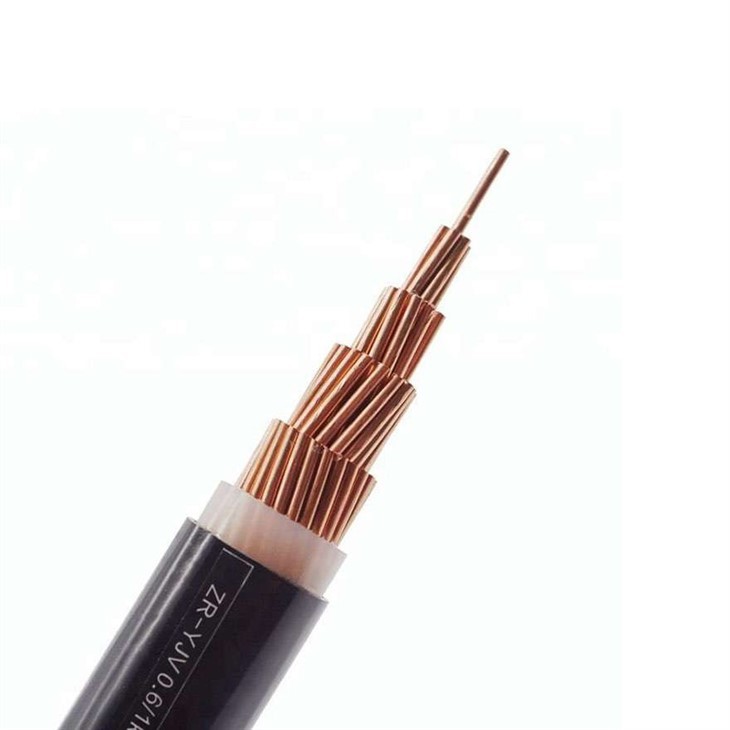
Armoured cables are designed with multiple layers to provide protection and durability. Typically, an armoured cable consists of a conductor, insulation, an armour layer, and an outer sheath. The conductor is responsible for carrying the electrical current. The insulation layer prevents the current from leaking and provides electrical isolation. The armour layer is the key component when it comes to lightning protection. It is usually made of steel wires or tapes, which provide mechanical protection against physical damage, such as impact and abrasion. The outer sheath protects the cable from environmental factors like moisture, chemicals, and sunlight.
Lightning - Protection Mechanisms of Armoured Cables
Conductive Path for Lightning Currents
The armour layer of an armoured cable acts as a low - resistance conductive path. When a lightning strike occurs nearby, the electromagnetic field induced by the lightning can cause a large current to flow in the cable. The armour layer provides a path for this current to safely dissipate into the ground. This helps to prevent the high - energy lightning current from flowing through the conductor and damaging the electrical equipment connected to the cable. For example, in a power distribution system, if a lightning strike causes a surge in the electrical network, the armour of the armoured cable can carry the excess current away, protecting the sensitive electrical devices.
Shielding Against Electromagnetic Interference
Lightning generates a strong electromagnetic field. This field can induce unwanted voltages and currents in electrical cables, which can interfere with the normal operation of electronic devices. The armour layer of an armoured cable acts as an electromagnetic shield. It can block or reduce the penetration of the electromagnetic field into the cable. This shielding effect helps to maintain the integrity of the electrical signals carried by the conductor. For instance, in a communication system using armoured cables, the shielding provided by the armour layer can prevent the electromagnetic interference caused by lightning from disrupting the data transmission.

Mechanical Protection Against Lightning - Induced Physical Damage
The intense heat and mechanical forces associated with a lightning strike can cause physical damage to cables. The armour layer provides mechanical strength to the cable. It can withstand the impact and pressure caused by the lightning - induced shockwaves. This helps to prevent the cable from being physically damaged, such as breakage or deformation. For example, in an outdoor installation where the cable is exposed to the elements, the armour layer can protect the cable from being damaged by a nearby lightning strike, ensuring the continuous operation of the electrical system.
Types of Armoured Cables and Their Lightning - Protection Capabilities
Yjv32 Power Electrical Cable Amourd
The Yjv32 Power Electrical Cable Amourd is a popular type of armoured cable. It has a copper or aluminium conductor, cross - linked polyethylene (XLPE) insulation, a steel wire armour, and a PVC outer sheath. The steel wire armour provides excellent mechanical protection and a good conductive path for lightning currents. The XLPE insulation has good electrical properties, which can withstand the high - voltage surges caused by lightning. This cable is suitable for various applications, including power distribution in industrial and commercial buildings.
XLPE Insulated Underground Power Cable
The XLPE Insulated Underground Power Cable is designed for underground installations. It has an XLPE insulation layer, which provides high - quality electrical insulation and resistance to environmental factors. The armour layer, usually made of steel tapes, offers protection against physical damage and lightning. Since underground cables are more vulnerable to lightning - induced surges due to the lack of direct protection from lightning rods, the lightning - protection capabilities of this cable are crucial. The armour layer can effectively carry the lightning - induced currents to the ground, protecting the power distribution system.
Yjv32 3* 50mm Armoured Cable
The Yjv32 3* 50mm Armoured Cable is a specific size of the Yjv32 series. With a 50mm² conductor, it can carry a relatively large amount of electrical current. The steel wire armour provides both mechanical protection and lightning - protection features. In a large - scale industrial power system, this cable can be used to transmit power over long distances. The armour layer helps to protect the cable from lightning - induced damage, ensuring the stable operation of the industrial equipment.
Factors Affecting the Lightning - Protection Capabilities of Armoured Cables
Quality of the Armour Material
The quality of the armour material is a critical factor. High - quality steel with good conductivity and mechanical strength will provide better lightning - protection performance. For example, steel with a low carbon content and proper heat treatment can have better electrical conductivity and higher resistance to corrosion. A corroded armour layer may increase its resistance, reducing its ability to conduct lightning currents effectively.
Installation and Grounding
Proper installation and grounding are essential for the lightning - protection of armoured cables. The cable should be installed correctly to ensure that the armour layer is continuous and has good electrical contact with the grounding system. A well - designed grounding system can provide a low - resistance path for the lightning currents to dissipate into the ground. If the grounding is poor, the lightning currents may not be able to flow safely, increasing the risk of damage to the cable and the connected equipment.
Cable Length and Configuration
The length and configuration of the cable can also affect its lightning - protection capabilities. Longer cables may have higher inductance, which can cause a larger voltage drop during a lightning - induced current flow. In addition, the way the cable is routed, such as whether it is laid in a straight line or has bends and loops, can influence the distribution of the lightning - induced currents. A cable with a more complex configuration may have areas where the current is concentrated, increasing the risk of damage.
Conclusion
Armoured cables offer significant lightning - protection capabilities through their conductive armour layer, electromagnetic shielding, and mechanical strength. Different types of armoured cables, such as the Yjv32 Power Electrical Cable Amourd, XLPE Insulated Underground Power Cable, and Yjv32 3* 50mm Armoured Cable, are designed to meet various application requirements. However, factors like the quality of the armour material, installation, grounding, cable length, and configuration need to be carefully considered to ensure optimal lightning - protection performance.
If you are in need of high - quality armoured cables with excellent lightning - protection capabilities, we are here to help. Our team of experts can provide you with professional advice on cable selection, installation, and grounding. Contact us to start a procurement discussion and find the best armoured cable solutions for your project.
References
- Electrical Power Systems Quality, by Roger C. Dugan, Mark F. McGranaghan, Surya Santoso, and H. Wayne Beaty.
- Handbook of Electrical Engineering, edited by Richard C. Dorf.
- Standards for Electrical Cable Installation and Testing, published by relevant international and national standards organizations.


