Yo, electricians, DIY enthusiasts, and all you folks in the market for some reliable house wire! I'm a supplier of common house wire, and I'm stoked to break down a crucial topic: what's the ampacity of common house wire at different temperatures?
First off, let's get on the same page about what ampacity is. Ampacity is basically the maximum amount of electrical current a wire can safely carry without getting too hot and causing a fire or other problems. It's super important because if you overload a wire, bad things can happen, like melting insulation and starting a fire.
Now, common house wire comes in different types and materials, but the most common ones are copper and aluminum. Copper is a great conductor, so it's often used in house wiring. And there are various kinds of insulation too, like PVC (polyvinyl chloride) and polyethylene.
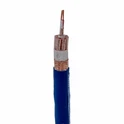
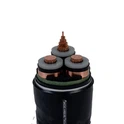
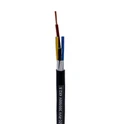
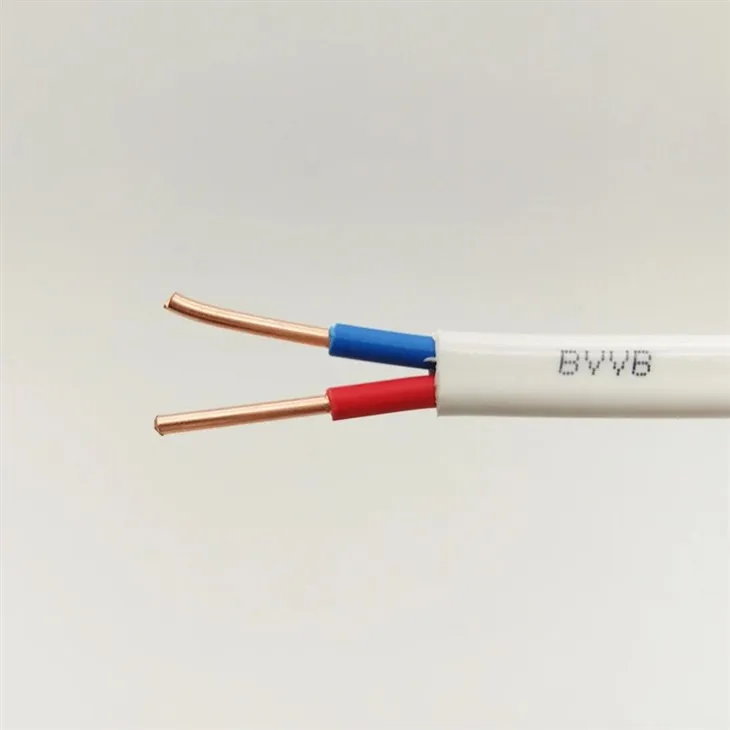
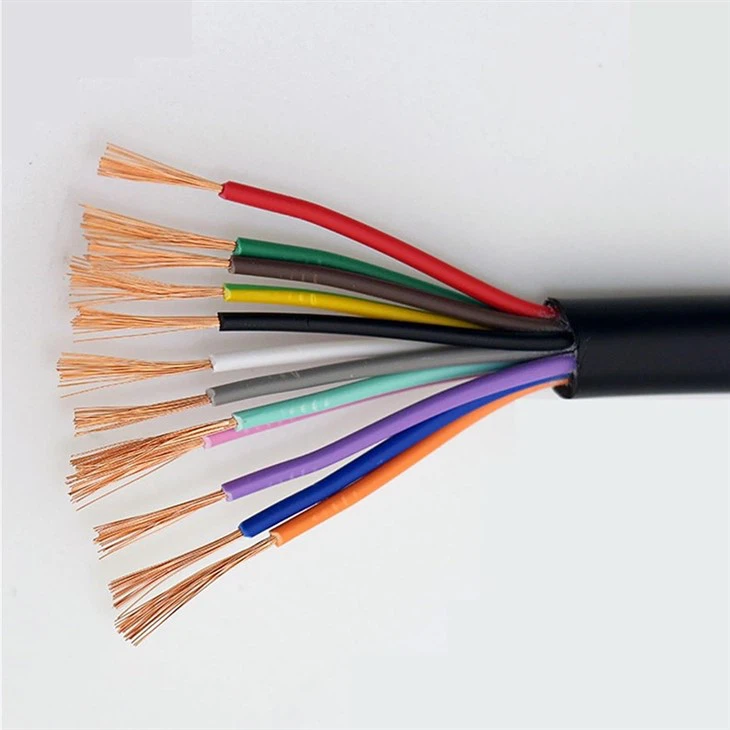
Let's talk about our products. We offer a range of options, including Copper Core Polyethylene Insulated Cable. This cable combines the excellent conductivity of copper with the durability of polyethylene insulation, making it a top - choice for many household applications. We also have Household Insulated Wire, which is designed to meet the standard electrical needs of your home. And don't forget our 300/500V PVC Insulated Cable, perfect for low - voltage household circuits.
Temperature plays a huge role in ampacity. As the temperature goes up, the ampacity of the wire goes down. Why? Well, when a wire gets hot, its resistance increases. And according to Ohm's Law (V = IR, where V is voltage, I is current, and R is resistance), for a given voltage, if the resistance goes up, the current that can flow without overheating has to go down.
Let's take a look at some typical scenarios. For a common 12 - gauge copper wire with THHN (Thermoplastic High - Heat - resistant Nylon - coated) insulation, in an ambient temperature of 30°C (86°F), it can typically carry around 20 amps safely. But if the temperature rises to 40°C (104°F), the ampacity drops to about 17 amps. That's a significant reduction!
Another common type is 14 - gauge copper wire. At 30°C, it can handle around 15 amps. But once the temperature hits 40°C, it's down to about 13 amps. This shows you how quickly ampacity can change with temperature.
Now, if you're using aluminum wire, things are a bit different. Aluminum has a higher resistance than copper, so it's generally not as good at conducting electricity. For example, a 12 - gauge aluminum wire with the same THHN insulation has a lower ampacity compared to a 12 - gauge copper wire at the same temperature. At 30°C, it might only be able to carry around 15 amps, and at 40°C, that drops further.
The insulation on the wire also affects its ampacity. Different types of insulation can withstand different temperatures. For instance, PVC insulation is pretty common, but it has a lower maximum temperature rating compared to some other types. So, if you're working in a high - temperature environment, you might want to consider a wire with a more heat - resistant insulation like cross - linked polyethylene (XLPE).
When you're installing house wire, it's crucial to take the temperature of the environment into account. If you're running wire in an attic, for example, where temperatures can get really high in the summer, you need to make sure you're using the right size wire with the appropriate ampacity for that temperature. You can't just rely on the standard ampacity ratings for normal room temperatures.
We've all seen those fancy electrical panels with all the breakers, right? Well, each breaker is designed to protect a circuit. The size of the breaker should match the ampacity of the wire in that circuit. If you use a breaker that's too big for the wire, and there's an overload, the wire can overheat without the breaker tripping. And if you use a breaker that's too small, you'll keep getting annoying false trips.
As a supplier, I can tell you that it's not always easy to pick the right wire. That's why we're here to help. We've got a team of experts who can answer your questions and help you choose the best wire for your specific situation, whether it's a simple DIY project or a big - scale construction job.
When you're calculating ampacity, don't forget about the number of wires in a conduit or cable bundle. If you have multiple wires bundled together, they generate more heat, which can further reduce the ampacity of each wire. For example, if you have more than three current - carrying conductors in a conduit, you need to derate the ampacity of each wire according to the National Electrical Code (NEC).
Also, the length of the wire matters. Longer wires have more resistance, which means they can't carry as much current without significant voltage drop. So, if you're running a long stretch of wire, you might need to go up a wire size to maintain an acceptable ampacity.
Alright, so how do you find out the exact ampacity of a wire at a specific temperature? Well, the NEC has ampacity tables that list the values for different wire sizes, materials, and insulation types at various temperatures. But these tables can be a bit confusing, especially for beginners. That's why it's a good idea to consult with a professional electrician or give us a shout.
We know that buying house wire can be a bit overwhelming. There are so many options, and you want to make sure you're getting the best quality for your money. That's where we shine. We're committed to providing high - quality common house wire at competitive prices. Our products meet all the safety standards, so you can have peace of mind knowing that your electrical system is in good hands.
If you're in the market for house wire, whether it's for a new construction, a renovation, or just a simple repair, get in touch with us. We're here to make the process as easy as possible for you. We can help you choose the right wire, provide you with accurate pricing, and even offer some tips on installation.
In conclusion, understanding the ampacity of common house wire at different temperatures is crucial for a safe and efficient electrical system. Temperature can have a big impact on how much current a wire can carry, and it's important to take this into account when planning your wiring project. Whether you're a professional electrician or a DIYer, we've got the right products and the expertise to help you get the job done right. So, don't hesitate to reach out and start a conversation about your house wire needs.
References:
- National Electrical Code (NEC)
- Electrical Wiring Handbook