What is the insulation resistance of household insulated wire?
As a dedicated supplier of household insulated wire, I've encountered numerous inquiries from customers about insulation resistance. It's a critical factor that often goes unnoticed until there's an electrical issue in the home. In this blog, I'll share in - depth knowledge about insulation resistance, why it matters for household insulated wires, and how it affects the safety and performance of your home's electrical system.
Understanding Insulation Resistance
Insulation resistance is essentially a measure of how well the insulating material in a wire prevents the flow of electric current through it. In electrical systems, the main conductor inside a wire carriers the intended electrical current, while the insulation around it is designed to keep that current from leaking out or coming into contact with other conductive materials.
The unit of measurement for insulation resistance is the ohm (Ω). A high insulation resistance value indicates that the insulating material is effective at preventing current leakage. In contrast, a low insulation resistance suggests that there may be a problem with the insulation, such as damage, moisture ingress, or aging.
For household insulated wires, insulation resistance is a key indicator of the wire's overall quality and safety. In a properly functioning electrical system, the insulation resistance should be very high, typically in the range of megohms (MΩ). This high resistance ensures that the electrical current stays within the conductor, reducing the risk of electrical shock, short - circuits, and fires.
Factors Affecting the Insulation Resistance of Household Insulated Wires
1. Material of Insulation
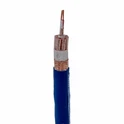
The type of insulating material used in the wire plays a significant role in determining its insulation resistance. Different materials have different inherent electrical properties. For example, PVC (Polyvinyl Chloride) is a commonly used insulating material in household wires. It offers good electrical insulation properties and is relatively inexpensive. PVC - insulated wires, like our 300/500V PVC Insulated Cable, typically have a high insulation resistance when in good condition.
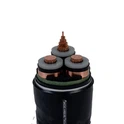
On the other hand, polyethylene is another popular choice. Our Copper Core Polyethylene Insulated Cable benefits from polyethylene's excellent insulation characteristics, such as low dielectric loss and high insulation resistance. Each material has its own advantages and disadvantages, and the choice often depends on the specific application within the household.
2. Temperature
Temperature has a direct impact on insulation resistance. As the temperature increases, the insulation resistance of the wire generally decreases. This is because higher temperatures cause the molecules in the insulating material to move more rapidly, which can increase the likelihood of current leakage. In a household environment, wires can heat up due to excessive current flow or exposure to high - temperature areas, such as near heating appliances. Therefore, it's important to consider the operating temperature range when selecting household insulated wires.
3. Moisture
Moisture is one of the biggest enemies of insulation resistance. When water penetrates the insulation, it can create conductive paths, allowing current to leak. Even a small amount of moisture can significantly reduce the insulation resistance. In homes, this can happen due to leaks in the plumbing, high humidity levels, or exposure to the elements (for wires used outdoors). Regular inspections should be carried out to ensure that the insulation of the wires remains dry.
4. Aging and Wear
Over time, the insulation on household wires can deteriorate due to aging and wear. Continuous flexing, exposure to ultraviolet light (for outdoor wires), and chemical exposure can all lead to the breakdown of the insulating material. This breakdown can cause a gradual decrease in insulation resistance. It's essential to replace old and worn - out wires to maintain the safety of the electrical system.
Why High Insulation Resistance is Crucial for Household Wires
1. Safety
The primary reason for maintaining high insulation resistance in household wires is safety. A low insulation resistance can lead to electrical leakage, which increases the risk of electrical shock to people in the home. When current leaks from the wire, it can energize other objects, such as metal fixtures or appliances, making them dangerous to touch. By ensuring high insulation resistance, we can significantly reduce the likelihood of such safety hazards.
2. Electrical System Performance
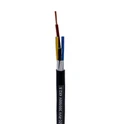
Good insulation resistance also contributes to the proper functioning of the electrical system. When the insulation is intact and has high resistance, the electrical current flows smoothly through the conductor as intended. This helps to prevent power losses, voltage drops, and interference in the electrical circuits. For example, in lighting circuits that use Electrical Wire for House Lights, high insulation resistance ensures that the lights receive the correct voltage, resulting in consistent and reliable illumination.


3. Fire Prevention
A low insulation resistance can create a fire hazard. Electrical arcing can occur when current leaks through damaged insulation, generating heat. If the heat is sufficient, it can ignite nearby combustible materials, such as wood, paper, or insulation in the walls. Maintaining high insulation resistance in household wires is an important preventive measure against electrical fires.
Measuring the Insulation Resistance of Household Insulated Wires
Measuring insulation resistance requires the use of a specialized instrument called an insulation resistance tester, also known as a megger. Here's a general overview of the testing process:
- First, ensure that the power supply to the circuit is turned off. This is crucial for safety reasons.
- Disconnect any electrical devices or appliances connected to the wire being tested. This helps to get an accurate measurement of the wire's insulation resistance.
- Connect the test leads of the insulation resistance tester to the conductor and the ground reference of the wire.
- Operate the tester according to its instructions. The tester will apply a DC voltage to the wire and measure the resulting current. Based on Ohm's law (R = V / I), it calculates and displays the insulation resistance value.
It's important to note that the insulation resistance values obtained may vary depending on the length of the wire, the type of insulation, and the temperature. However, as a general rule, for household wires, insulation resistance values should be in the megohm range.
Our Commitment as a Household Insulated Wire Supplier
At our company, we understand the importance of high - quality insulation resistance in household insulated wires. That's why we adhere to strict manufacturing standards and quality control processes. We use only the finest insulating materials and conduct regular testing to ensure that our wires meet or exceed industry requirements.
Whether you're looking for 300/500V PVC Insulated Cable for general household applications, Electrical Wire for House Lights to illuminate your living spaces, or Copper Core Polyethylene Insulated Cable with excellent insulation properties, we have a wide range of products to meet your needs.
If you're in the market for household insulated wires and want to learn more about our products, we encourage you to get in touch with us. We're always ready to provide you with detailed product information, technical support, and competitive pricing. Let's work together to ensure the safety and reliability of your home's electrical system.
References
- Electrical Wiring Handbook, multiple editions
- National Electrical Code (NEC) standards
- Insulation manufacturers' technical documentation