Are there any standards for control wires? That's a question I often get asked as a control wire supplier. In this blog, I'll dive into the world of control wires, explore the standards that govern them, and share why these standards matter for both suppliers and customers.
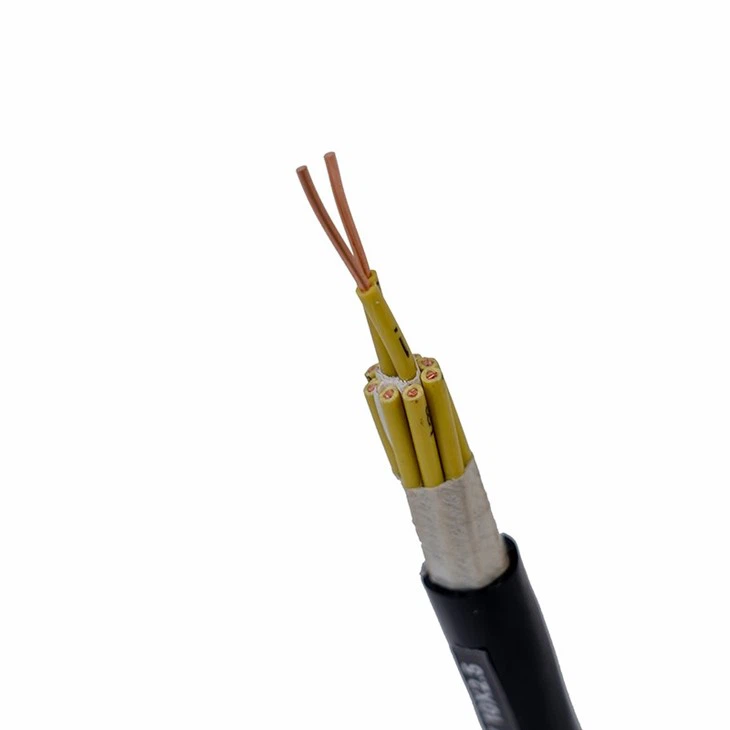
Let's start by understanding what control wires are. Control wires are used in a wide range of applications to transmit control signals. They're like the nervous system of an electrical system, carrying information that tells different components what to do. You can find them in industrial machinery, building automation systems, and even in some consumer electronics.
Now, onto the big question: are there standards for control wires? The answer is a resounding yes. There are several standards that control wire manufacturers need to follow, and these standards are crucial for ensuring the safety, performance, and compatibility of the wires.
One of the most well - known standards organizations is the International Electrotechnical Commission (IEC). The IEC sets international standards for all things electrical, including control wires. Their standards cover aspects like the construction of the wire, the materials used, and the electrical properties. For example, the IEC has standards for the insulation resistance of control wires. This is important because a low insulation resistance can lead to electrical leakage, which can be a safety hazard and can also affect the performance of the control system.
Another important standards body is the National Electrical Code (NEC) in the United States. The NEC provides guidelines for the installation of electrical wiring, including control wires, in buildings and other structures. It covers things like the proper sizing of wires, the way they should be routed, and the requirements for grounding. Following the NEC is not just a good practice; in many cases, it's a legal requirement.
In addition to these broad - based standards, there are also industry - specific standards. For instance, in the automotive industry, control wires need to meet standards set by automotive manufacturers. These standards often focus on things like durability, temperature resistance, and resistance to vibration. After all, a car's electrical system has to work reliably in all sorts of conditions, from extreme heat to freezing cold.
Now, let's talk about some of the different types of control wires and how standards apply to them. Take Fire Resistant Control Wire for example. As the name suggests, these wires are designed to resist the spread of fire. There are strict standards for what makes a wire "fire - resistant." These standards typically involve tests where the wire is exposed to high temperatures for a certain period of time. If the wire can maintain its electrical integrity during this test, it can be labeled as fire - resistant. This is extremely important in applications where fire safety is a top concern, such as in high - rise buildings or industrial facilities.
PVC Lighting Control Cable is another type of control wire. PVC (polyvinyl chloride) is a common material used for insulation in these cables. Standards for PVC lighting control cables often focus on the quality of the PVC insulation. The insulation needs to be thick enough to provide adequate electrical protection, and it also needs to be resistant to environmental factors like moisture and UV light.
PVC Insulated Control Cable is similar to the lighting control cable in that it uses PVC insulation. However, it can be used in a wider range of applications, not just lighting control. The standards for PVC insulated control cables ensure that the cable can handle the electrical load it's designed for and that the insulation will last for a reasonable amount of time under normal operating conditions.
So, why do these standards matter to me as a control wire supplier? Well, for starters, following standards is a matter of safety. I want to make sure that the wires I supply are safe for use in any application. If a wire doesn't meet the necessary standards, it could pose a risk to the people using the electrical system and could also cause damage to the equipment.
Standards also help me maintain the quality of my products. By following well - established standards, I can ensure that each batch of control wires I produce is consistent in terms of its performance and reliability. This is important for building trust with my customers. They know that when they buy control wires from me, they're getting a product that meets the highest industry standards.
For customers, standards provide a level of assurance. When they're looking for control wires, they can look for products that are certified to meet certain standards. This gives them confidence that the wires will work as expected and that they'll be safe to use. It also makes it easier for them to compare different products on the market. If two suppliers are offering similar control wires, but one is certified to meet more stringent standards, the customer can make an informed decision based on that information.
If you're in the market for control wires, whether it's for a small DIY project or a large industrial installation, I encourage you to pay attention to the standards. Look for products that are certified to meet relevant standards. And if you have any questions about which type of control wire is right for your application, don't hesitate to reach out. As a control wire supplier, I'm here to help you find the best solution for your needs. Whether it's a Fire Resistant Control Wire for a fire - safety - critical application or a PVC Lighting Control Cable for a simple lighting system, I can provide you with the right product.
If you're interested in purchasing control wires or want to discuss your requirements further, I'd love to hear from you. Just drop me a message, and we can start a conversation about your specific needs. I'm confident that I can offer you high - quality control wires that meet all the necessary standards.

References
- International Electrotechnical Commission (IEC) standards documents
- National Electrical Code (NEC) handbook
- Automotive industry standards publications