Hey there! As a supplier of 0.6 - 1kv YJV cables, I often get asked if these cables can be used in nuclear power plants. It's a super important question, considering the unique and high - stakes environment of nuclear power plants. So, let's dive right in and explore this topic.
First off, let's understand what 0.6 - 1kv YJV cables are. YJV stands for cross - linked polyethylene insulated PVC sheathed power cable. These cables are widely used in various electrical systems because they offer good electrical insulation properties, are relatively flexible, and can handle the voltage range of 0.6 to 1 kilovolt. They're commonly found in industrial settings, commercial buildings, and even some residential areas for power distribution.
Now, when it comes to nuclear power plants, things get a whole lot more complicated. Nuclear power plants are extremely complex facilities with very strict safety and performance requirements. The cables used in these plants need to withstand harsh conditions such as high radiation levels, extreme temperatures, and potential exposure to chemicals.
One of the main concerns with using 0.6 - 1kv YJV cables in nuclear power plants is radiation resistance. Nuclear power plants generate a significant amount of radiation. Over time, high - energy radiation can damage the insulation and sheathing materials of cables. Cross - linked polyethylene (XLPE), which is the insulation material in YJV cables, can degrade when exposed to radiation. This degradation can lead to a decrease in the cable's electrical insulation properties, increasing the risk of electrical faults and potentially compromising the safety of the power plant.
Another factor is temperature. Nuclear power plants have areas with both high and low temperatures. YJV cables have a certain temperature rating, and if the operating temperature in the power plant exceeds this rating, the cable's performance can be affected. For example, at high temperatures, the insulation material may soften, which can lead to short - circuits or other electrical problems.
However, it's not all bad news. With proper design and modifications, 0.6 - 1kv YJV cables can potentially be used in some non - critical areas of nuclear power plants. For instance, in areas with lower radiation levels and more moderate temperatures, these cables might be suitable. These non - critical areas could include administrative buildings, some parts of the maintenance facilities, or areas where the failure of a cable wouldn't directly impact the safety and operation of the nuclear reactor.
To make 0.6 - 1kv YJV cables more suitable for nuclear power plant applications, manufacturers can take several steps. They can use radiation - resistant additives in the insulation and sheathing materials. These additives can help to reduce the rate of radiation - induced degradation. Additionally, improving the cable's temperature resistance through better insulation materials or cooling systems can also enhance its performance in high - temperature environments.


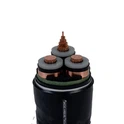
Now, let's talk about the different types of 0.6 - 1kv YJV cables we offer. We have the 4 C Xlpe Swa Pvc Cu Cable. This cable is designed with four cores, and the XLPE insulation provides good electrical performance. The steel wire armor (SWA) adds mechanical protection, making it more durable. The PVC sheathing offers additional protection against environmental factors.
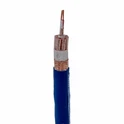
Our Low Voltage YJV Cable is specifically tailored for low - voltage applications within the 0.6 - 1kv range. It's a cost - effective solution for many electrical systems, and its flexible design makes it easy to install.
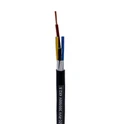
And then there's our Industrial Insulation YJV Cable. This cable is designed for industrial environments, which means it has enhanced insulation properties to handle the demands of industrial electrical systems. It could potentially be a good candidate for some areas in nuclear power plants if the radiation and temperature conditions are suitable.
If you're involved in a nuclear power plant project or any other electrical project and are considering using 0.6 - 1kv YJV cables, we're here to help. We have a team of experts who can work with you to determine if our cables are the right fit for your specific needs. We can also provide customized solutions based on the unique requirements of your project, such as improving radiation resistance or temperature performance.
In conclusion, while using 0.6 - 1kv YJV cables in nuclear power plants is not straightforward, it's not impossible. With careful consideration of the plant's conditions and proper modifications to the cables, they can be used in certain non - critical areas. If you're interested in learning more about our 0.6 - 1kv YJV cables and how they might work for your project, don't hesitate to reach out. We're eager to start a conversation and explore the possibilities of working together.
References
- Electrical Engineering Handbook for Nuclear Power Plants
- Standards and Guidelines for Cable Selection in Nuclear Facilities
- Research Papers on Radiation Effects on Cable Materials