


When it comes to electrical wiring projects, especially those involving underground installations, one of the most common questions I encounter as a supplier of Underground Electrical Wire is, "Can I use regular electrical wire underground?" It's a valid concern, as the wrong choice of wire can lead to safety hazards, costly repairs, and even legal issues. In this blog post, I'll delve into the technical aspects of using regular electrical wire underground, the differences between regular and underground electrical wire, and why it's crucial to choose the right wire for your project.
The Risks of Using Regular Electrical Wire Underground
Regular electrical wire, also known as NM (non-metallic) cable, is designed for indoor use in dry locations. It consists of insulated conductors wrapped in a plastic sheath, which provides protection against physical damage and electrical shock. However, this type of wire is not suitable for underground use due to several reasons.
Firstly, regular electrical wire is not designed to withstand the harsh environmental conditions underground. It is susceptible to moisture, which can cause the insulation to break down over time, leading to short circuits and electrical fires. The soil can also contain chemicals and minerals that can corrode the wire, further compromising its integrity.

Secondly, regular electrical wire does not have the necessary mechanical strength to withstand the pressure and stress of being buried underground. It can easily be damaged by rocks, tree roots, and other objects in the soil, which can lead to electrical faults and power outages.
Finally, using regular electrical wire underground may violate local electrical codes and regulations. Most building codes require the use of direct burial cable for underground electrical installations, which is specifically designed to meet the safety and performance requirements for this type of application.
The Advantages of Using Underground Electrical Wire
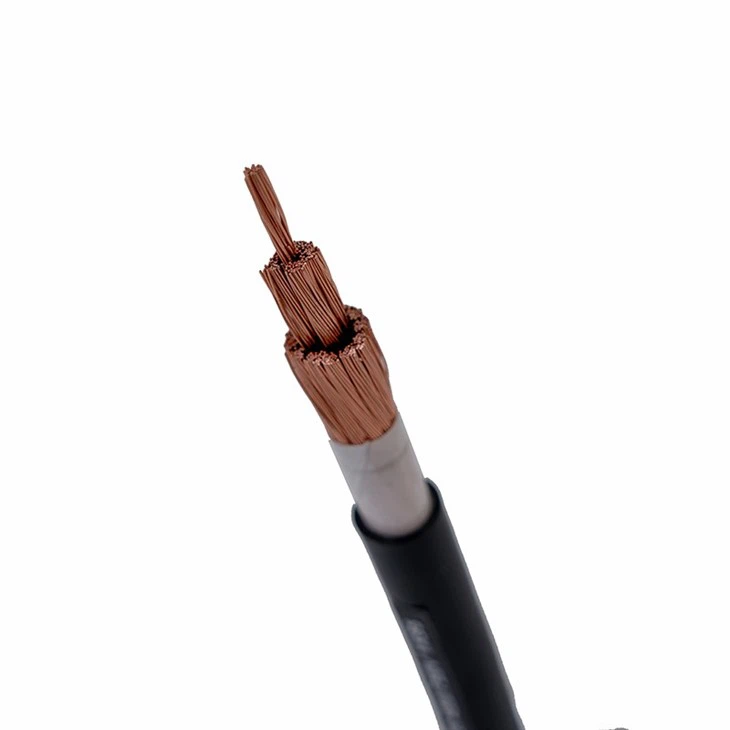
Underground electrical wire, also known as direct burial cable, is specifically designed for use underground. It is constructed with a more durable insulation material that is resistant to moisture, chemicals, and physical damage. This type of wire also has a thicker outer sheath that provides additional protection against abrasion and impact.
One of the main advantages of using underground electrical wire is its reliability. It is less likely to be damaged by environmental factors, such as lightning, wind, and snow, which can cause power outages and electrical faults. This makes it a popular choice for outdoor lighting, landscape irrigation systems, and other electrical applications that require a reliable power source.
Another advantage of using underground electrical wire is its aesthetic appeal. Unlike overhead power lines, which can be unsightly and obtrusive, underground electrical wire is hidden from view, making it a more attractive option for residential and commercial properties.
Types of Underground Electrical Wire
There are several types of underground electrical wire available on the market, each designed for specific applications and voltage requirements. Some of the most common types of underground electrical wire include:
- 6/3 with Ground Direct Burial Wire: This type of wire is commonly used for underground electrical installations that require a high amperage, such as electric vehicle charging stations and large outdoor lighting systems. 6/3 with Ground Direct Burial Wire is rated for 600 volts and is available in various lengths and gauges.
- Underground Electrical Wire for 100 Amp Service: This type of wire is designed for use in residential and commercial electrical systems that require a 100 amp service. Underground Electrical Wire for 100 Amp Service is rated for 600 volts and is available in various lengths and gauges.
- 2.0 Awg Copper Underground Wire: This type of wire is commonly used for underground electrical installations that require a high conductivity and low resistance, such as electrical panels and subpanels. 2.0 Awg Copper Underground Wire is rated for 600 volts and is available in various lengths and gauges.
Choosing the Right Underground Electrical Wire
When choosing the right underground electrical wire for your project, it's important to consider several factors, including the voltage requirements, the amperage rating, the length of the wire, and the environmental conditions. Here are some tips to help you choose the right wire for your project:
- Determine the voltage requirements: The voltage requirements of your electrical system will determine the type of wire you need. Most residential and commercial electrical systems operate at 120 or 240 volts, so you'll need to choose a wire that is rated for these voltages.
- Determine the amperage rating: The amperage rating of your electrical system will determine the gauge of the wire you need. The higher the amperage, the thicker the wire you'll need. You can use a wire size calculator to determine the appropriate gauge of wire for your project.
- Consider the length of the wire: The length of the wire will also affect the gauge you need. The longer the wire, the more resistance it will have, which can cause a voltage drop. To minimize the voltage drop, you'll need to choose a wire with a larger gauge.
- Consider the environmental conditions: The environmental conditions where the wire will be installed will also affect the type of wire you need. If the wire will be exposed to moisture, chemicals, or extreme temperatures, you'll need to choose a wire that is specifically designed for these conditions.
Installation Tips for Underground Electrical Wire
Installing underground electrical wire requires careful planning and attention to detail. Here are some tips to help you install underground electrical wire safely and correctly:
- Obtain the necessary permits: Before you start any electrical work, you'll need to obtain the necessary permits from your local building department. This will ensure that your installation meets all the local electrical codes and regulations.
- Plan your route: Before you start digging, you'll need to plan your route carefully. Make sure you avoid any underground utilities, such as water pipes, gas lines, and telephone cables. You can use a utility locator service to help you locate these utilities.
- Dig a trench: Once you've planned your route, you'll need to dig a trench for the wire. The trench should be at least 18 inches deep and 6 inches wide. Make sure the bottom of the trench is level and free of rocks and other debris.
- Install the wire: Once the trench is dug, you can install the wire. Make sure you use a direct burial cable that is rated for the voltage and amperage of your electrical system. You can use a conduit or a wire protector to protect the wire from damage.
- Connect the wire: Once the wire is installed, you'll need to connect it to your electrical system. Make sure you follow the manufacturer's instructions carefully and use the appropriate connectors and terminals.
- Test the system: Once the wire is connected, you'll need to test the system to make sure it's working properly. You can use a voltage tester to test the voltage at various points in the system.
Conclusion
In conclusion, using regular electrical wire underground is not recommended due to the risks it poses to safety and reliability. Underground electrical wire, on the other hand, is specifically designed for use underground and offers several advantages, including reliability, aesthetic appeal, and compliance with local electrical codes and regulations. When choosing the right underground electrical wire for your project, it's important to consider several factors, including the voltage requirements, the amperage rating, the length of the wire, and the environmental conditions. By following these tips and guidelines, you can ensure that your underground electrical installation is safe, reliable, and compliant with all the local electrical codes and regulations.
If you're interested in learning more about our Underground Electrical Wire products or have any questions about your project, please don't hesitate to contact us. Our team of experts is here to help you choose the right wire for your needs and provide you with the support and guidance you need to install it safely and correctly.
References
- National Electrical Code (NEC)
- Underwriters Laboratories (UL) Standards
- Electrical Wiring Handbook






