


As a supplier of 4 Core Control Cables, I understand the importance of being able to identify the quality of these cables. In today's market, where there is a wide range of products available, ensuring that you are getting a high - quality 4 Core Control Cable is crucial for the proper functioning and safety of various electrical systems. In this blog, I will share some key aspects to consider when evaluating the quality of a 4 Core Control Cable.
1. Conductors
The conductors are the heart of the cable, responsible for carrying electrical current. The quality of the conductors can significantly impact the cable's performance.
Material
The most common material used for conductors in 4 Core Control Cables is copper. Copper is an excellent conductor of electricity due to its low resistivity. High - quality copper conductors are made from pure copper, which offers better conductivity and less power loss compared to copper alloys or other materials.
When inspecting a cable, you can check the color of the conductors. Pure copper has a distinct reddish - brown color. Any signs of discoloration or a dull appearance may indicate impurities or oxidation, which can affect the cable's performance.
Cross - sectional Area
The cross - sectional area of the conductors determines the amount of current the cable can safely carry. A larger cross - sectional area allows for higher current - carrying capacity. When choosing a 4 Core Control Cable, it is essential to select a cable with an appropriate cross - sectional area based on the electrical load requirements of your application.
You can refer to electrical codes and standards to determine the correct cross - sectional area for your specific needs. For example, in industrial applications where high - power equipment is used, cables with larger cross - sectional areas are typically required.
2. Insulation
Insulation is another critical component of a 4 Core Control Cable. It prevents electrical leakage and protects the conductors from environmental factors such as moisture, heat, and chemicals.
Insulation Material
There are several types of insulation materials used in 4 Core Control Cables, including PVC (Polyvinyl Chloride), XLPE (Cross - Linked Polyethylene), and rubber. Each material has its own advantages and disadvantages.
PVC is a commonly used insulation material due to its low cost, flexibility, and good electrical insulation properties. It is suitable for a wide range of applications, especially in indoor and low - voltage environments. You can find more information about PVC Lighting Control Cable on our website.
XLPE offers better heat resistance and mechanical strength compared to PVC. It is often used in high - voltage and outdoor applications where the cable needs to withstand harsh environmental conditions.
Rubber insulation provides excellent flexibility and resistance to abrasion. It is commonly used in applications where the cable needs to be bent or moved frequently, such as in mobile equipment.
Insulation Thickness
The thickness of the insulation is also an important factor to consider. A thicker insulation layer provides better protection against electrical leakage and mechanical damage. However, it also increases the overall size and cost of the cable.
When inspecting the insulation, check for any signs of damage, such as cracks, cuts, or bulges. These defects can compromise the insulation's effectiveness and pose a safety hazard.
3. Sheathing
The sheathing of a 4 Core Control Cable provides an additional layer of protection for the conductors and insulation. It protects the cable from physical damage, moisture, and environmental contaminants.
Sheathing Material
Similar to insulation, there are different types of sheathing materials available. PVC is a popular choice for sheathing due to its low cost and good resistance to moisture and chemicals. It is suitable for indoor and outdoor applications.
For more demanding environments, such as those with high levels of abrasion or exposure to oil and chemicals, a more durable sheathing material like polyurethane or neoprene may be required.
Sheathing Thickness and Integrity
The thickness of the sheathing should be sufficient to provide adequate protection. A thin or damaged sheathing can expose the insulation and conductors to damage, increasing the risk of electrical faults.
Inspect the sheathing for any signs of wear, tear, or punctures. A high - quality sheathing should be smooth, free of defects, and tightly adhered to the insulation.
4. Construction and Stranding
The construction and stranding of the conductors can also affect the cable's performance.
Stranding
Conductors can be solid or stranded. Solid conductors are made of a single piece of metal, while stranded conductors are made up of multiple smaller wires twisted together.
Stranded conductors offer greater flexibility, making them suitable for applications where the cable needs to be bent or moved frequently. They also have better resistance to mechanical stress and vibration compared to solid conductors.
Cable Construction
The way the four cores are arranged within the cable can also impact its performance. A well - constructed cable will have the cores properly insulated and separated to prevent interference between them.
Some cables may also have additional layers, such as shielding, to protect against electromagnetic interference (EMI). This is particularly important in applications where sensitive electronic equipment is used. You can learn more about 4 Core Cy Cable, which may have specific construction features for better performance.

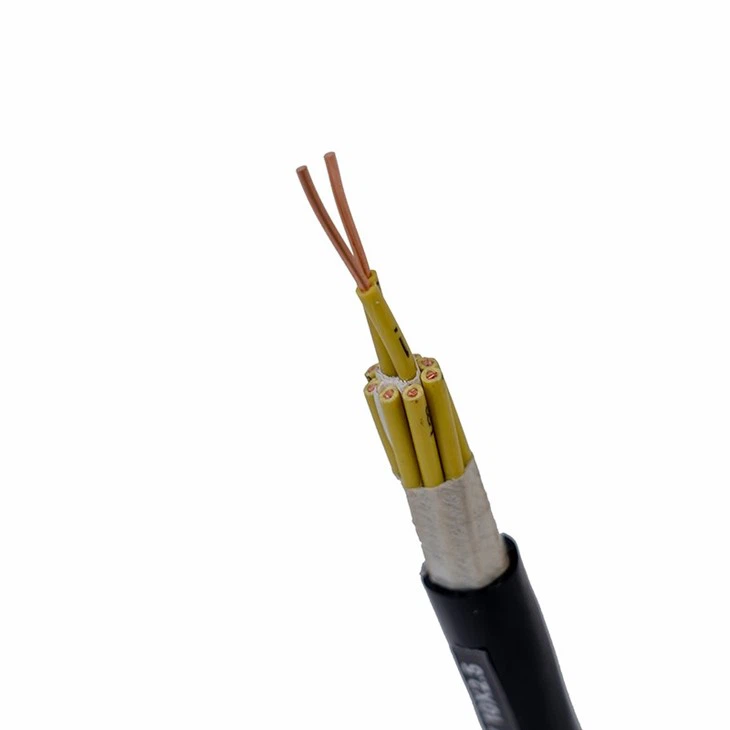
5. Markings and Certifications
Markings on the cable provide important information about its specifications and ratings. A high - quality 4 Core Control Cable will have clear and legible markings indicating the cable type, voltage rating, cross - sectional area, and other relevant information.
Certifications are also a good indication of the cable's quality. Look for cables that are certified to relevant national and international standards, such as IEC (International Electrotechnical Commission) or UL (Underwriters Laboratories). These certifications ensure that the cable has been tested and meets the required safety and performance standards.
6. Testing and Quality Assurance
Reputable 4 Core Control Cable suppliers will conduct various tests during the manufacturing process to ensure the quality of their products. These tests may include electrical tests, such as insulation resistance testing and voltage withstand testing, as well as mechanical tests, such as tensile strength testing and flexibility testing.
When purchasing a cable, ask the supplier about their quality assurance processes and testing procedures. A supplier that is committed to quality will be able to provide detailed information about the testing methods used and the results obtained.
Conclusion
Identifying the quality of a 4 Core Control Cable requires a comprehensive evaluation of its conductors, insulation, sheathing, construction, markings, and certifications. By considering these factors, you can ensure that you are purchasing a high - quality cable that will meet your electrical requirements and provide reliable performance.
If you are in the market for a 4 Core Control Cable or PVC Insulated Control Cable, our company is here to assist you. We offer a wide range of high - quality cables that are manufactured to the highest standards. Contact us to discuss your specific needs and start the procurement process. We look forward to working with you to provide the best cable solutions for your applications.
References
- Electrical Installation Guide by IEC
- Cable Engineering Handbook by John Miles


